
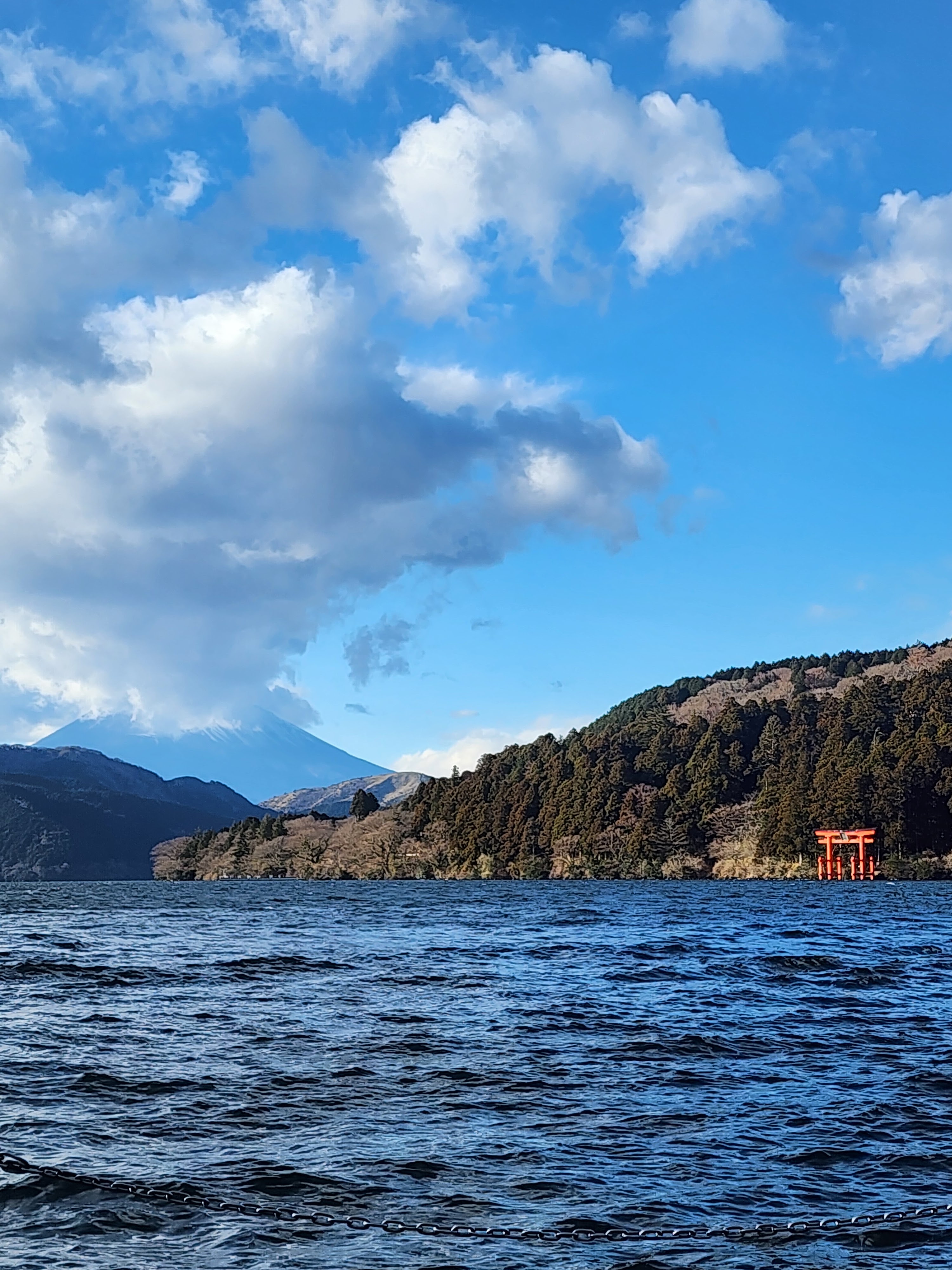
Dear you, my belove friends!
This is the story about my trip. Please enjoy!
I decided to go to Hakone before New Year’s Eve, perfect time for a reset and refresh after a year of trying nonstop. When most people think of Hakone, onsen always comes first in mind, then the views of Mt Fuji, also romantic lake cruises. For me, Hakone is a spiritual haven — where ancient Shinto deities hide deep in the forests, dragon god guards his sacred springs, and those quiet charming shrines offer refuge from the noise of modern life.
This trip was decided when I was not so sure where to go to enjoy my winter break. It was not about sightseeing or soaking in onsen. Hakone has called me to come back. It was about something deeper: a slow but intentional journey through the shrines. Each one has been holding a different story, whether it’s bad or good, and a moment of stillness. I walked to the forest to find where the kami dwell, to whisper my silent prayers beside those moss-covered stones, and to listen to the the sound of silence.
During these four days, I visited the heart of Hakone’s spiritual landscape: from the iconic lakeside Hakone Shrine to the more mystery Kuzuryu Shrine hidden deep in the forest. As I walked, I found not just sacred spaces, but a weird sense of connection to nature, to spirit, and to myself.
This is definitely not a travel guide—it’s my pilgrim’s path to Hakone’s sacred geography.
Day 1: Greetings from the Kami at Hakone Shrine
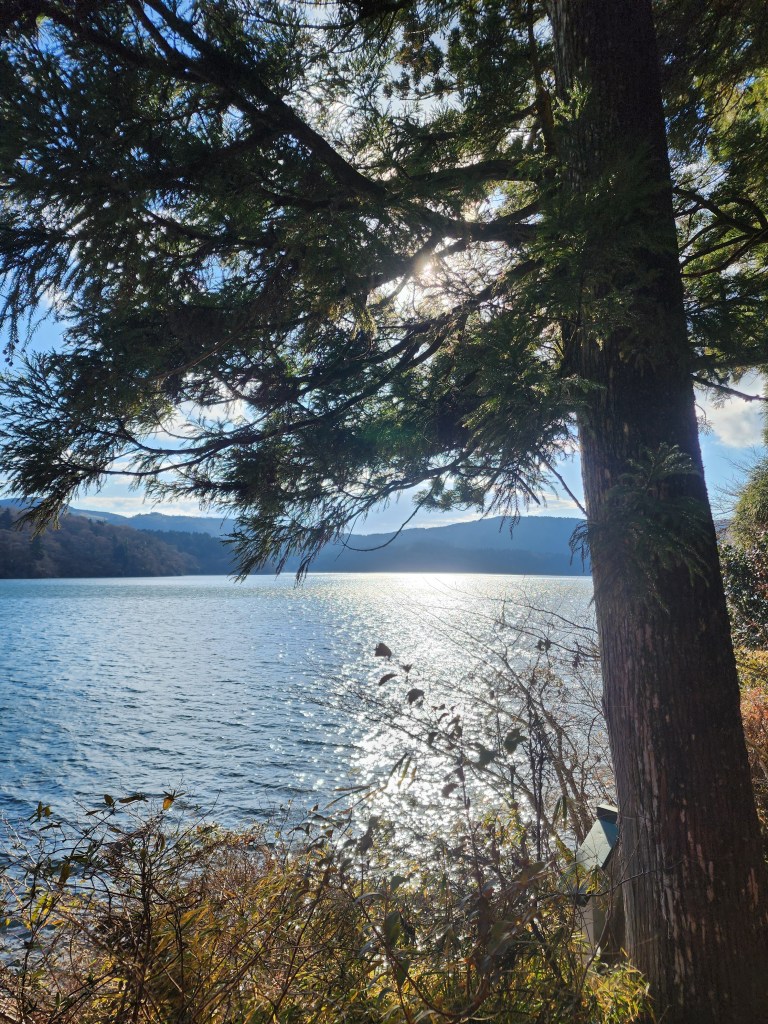
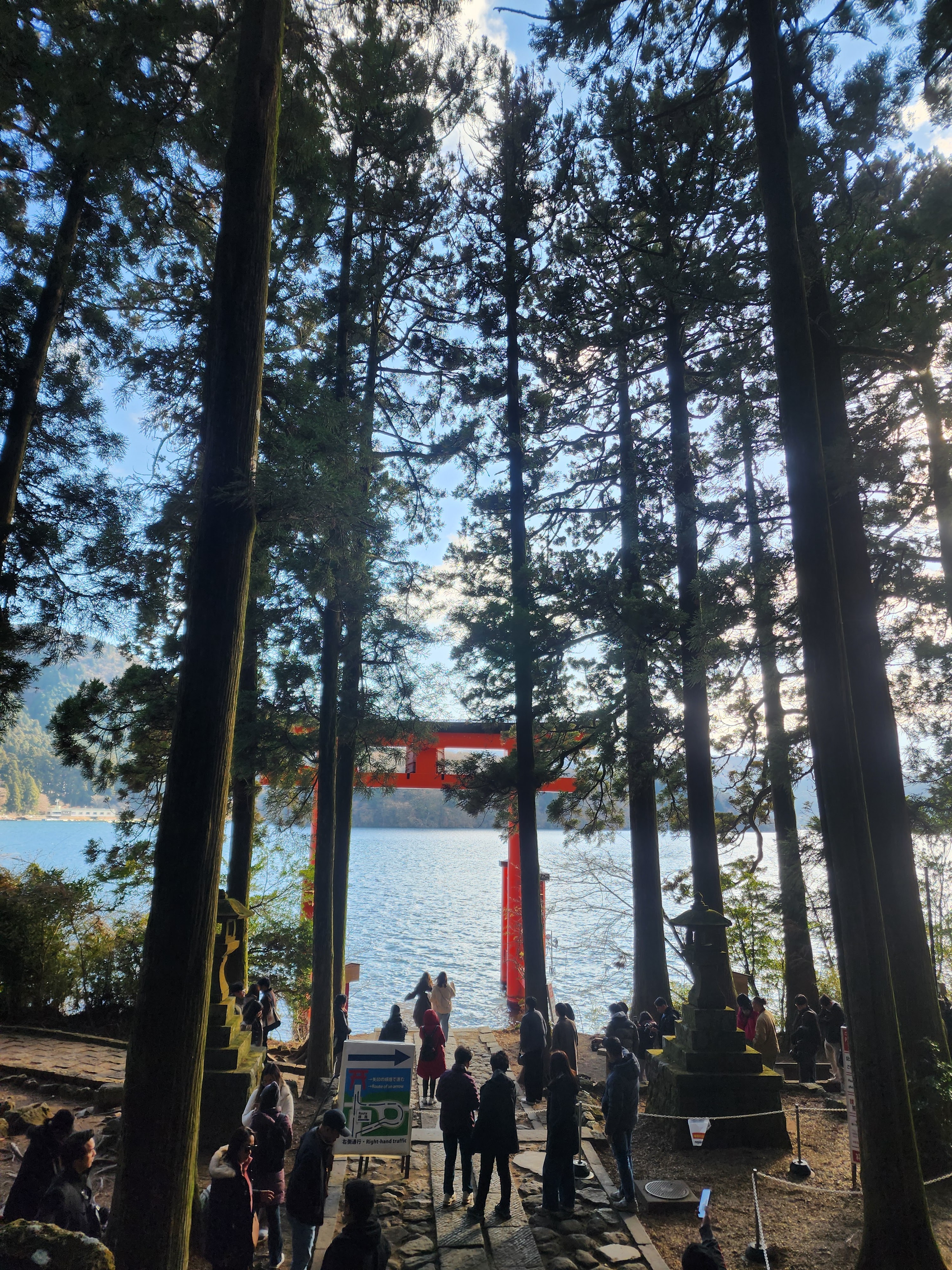
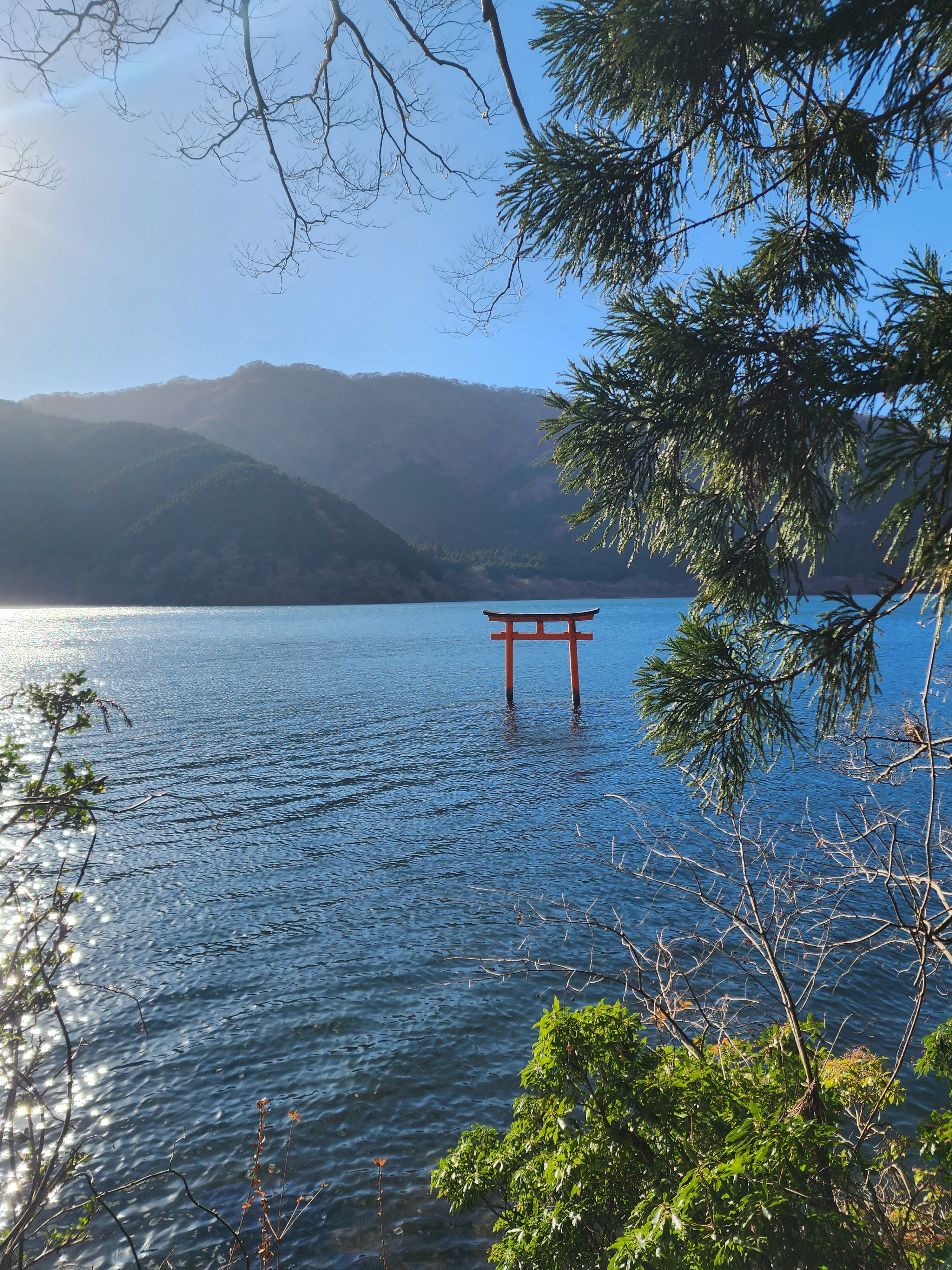
I took a walk from my hotel and arrived at the torii gate as the sun began to rise from Lake Ashi. The air smelled of cedar and water. Even before setting foot on the rocky path, I felt the present of the deities, or just something ancient stirring silently beneath the trees. I bowed once to notice my presence and whispered:
“Hi. I’ve come back to see you.”
The shrine answered with silence, but not emptiness, only its presence. A steady warm hush, like a gentle breath. The kind of silence that lets you know you are not alone and you are welcome here.
Hakone Shrine (箱根神社) has stood here for over a thousand years, tucked in the forest at the foot of Mount Hakone. It is dedicated to three deities collectively known as the Hakone Okami (箱根大神):
Ninigi-no-Mikoto, the divine grandson of Amaterasu who descended from heaven to bring order to the earth.
Konohanasakuya-hime, the blossom princess and goddess of Mount Fuji, often associated with life, beauty, and fragile strength.
And Hikohohodemi-no-Mikoto, a sea god and hunter, connected to perseverance and love.
Together, they embody mountains, water, fire, and the spirit of protection. This shrine was once a sacred waypoint for samurai traveling the Tokaido road, who came to pray for safe passage. Today, pilgrims come to ask for strength, fertility, or simply a moment of peace.
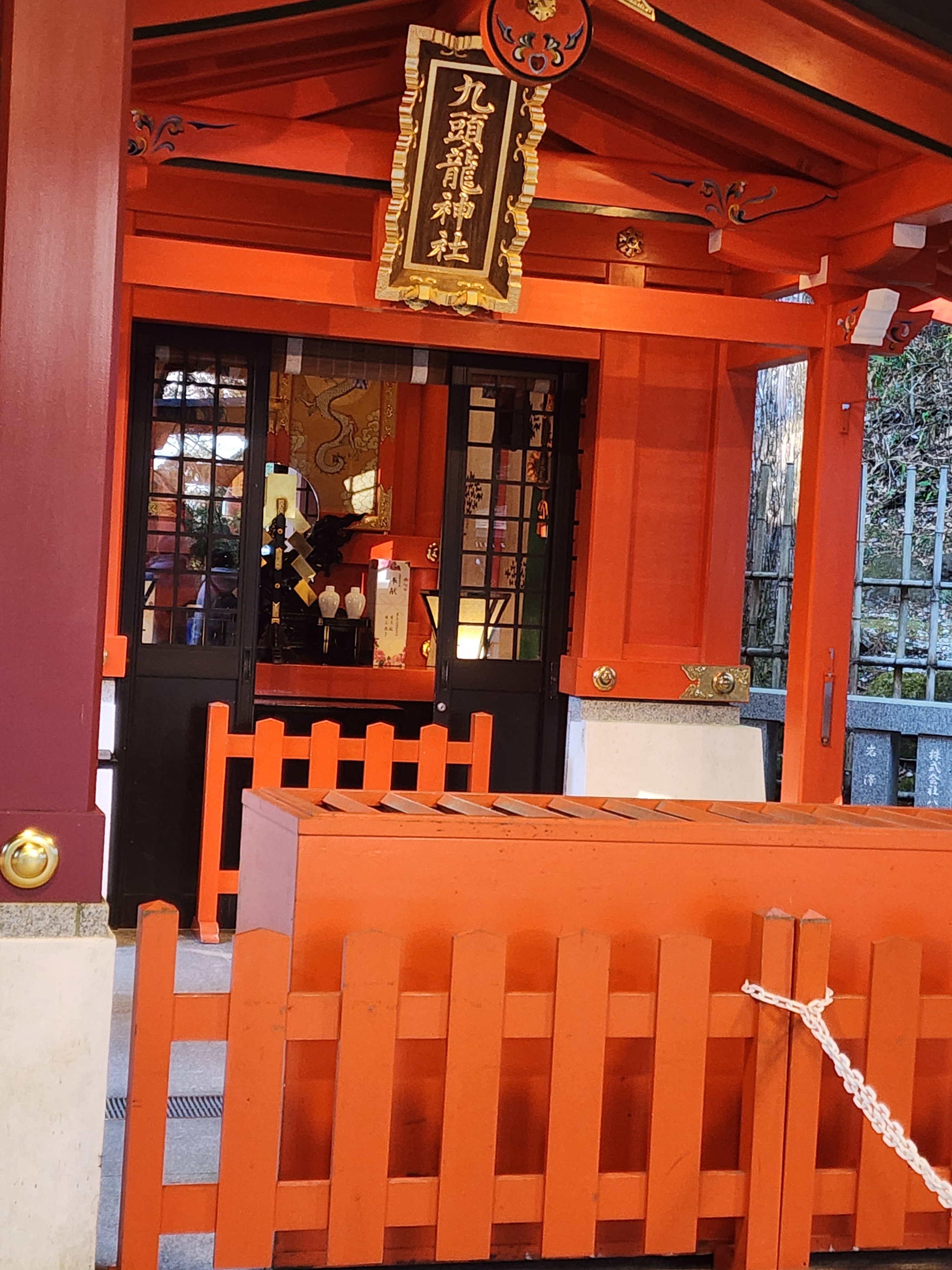
As I walked further to the shrine grounds, passing the red torii standing in the lake, I felt a warm huge, more like a cocoon of reverence. Each step on the stone stairs felt like a gentle knock on the door of the unseen.
I washed my hands at the purification basin to purify myself and approached the honden with respectation.
“Two bows – Two claps – One bow”.
I didn’t ask for anything but peace of heart and calmness of mind. I stood there, listening, praying, communicating with the unknown.
For a moment, I felt the kami listening too.
Day 2: Kuzuryu
On the next day, I went to Owakudani, where the earth breathes sulfur and smoke into the sky. This place feels raw and alive, as if the land is exhaling. It was so cold but I stood quietly, letting the wind tousle my hair, enjoying the lively of this place as many tourists passed by to take photos, watching steam rise like incense to the gods.
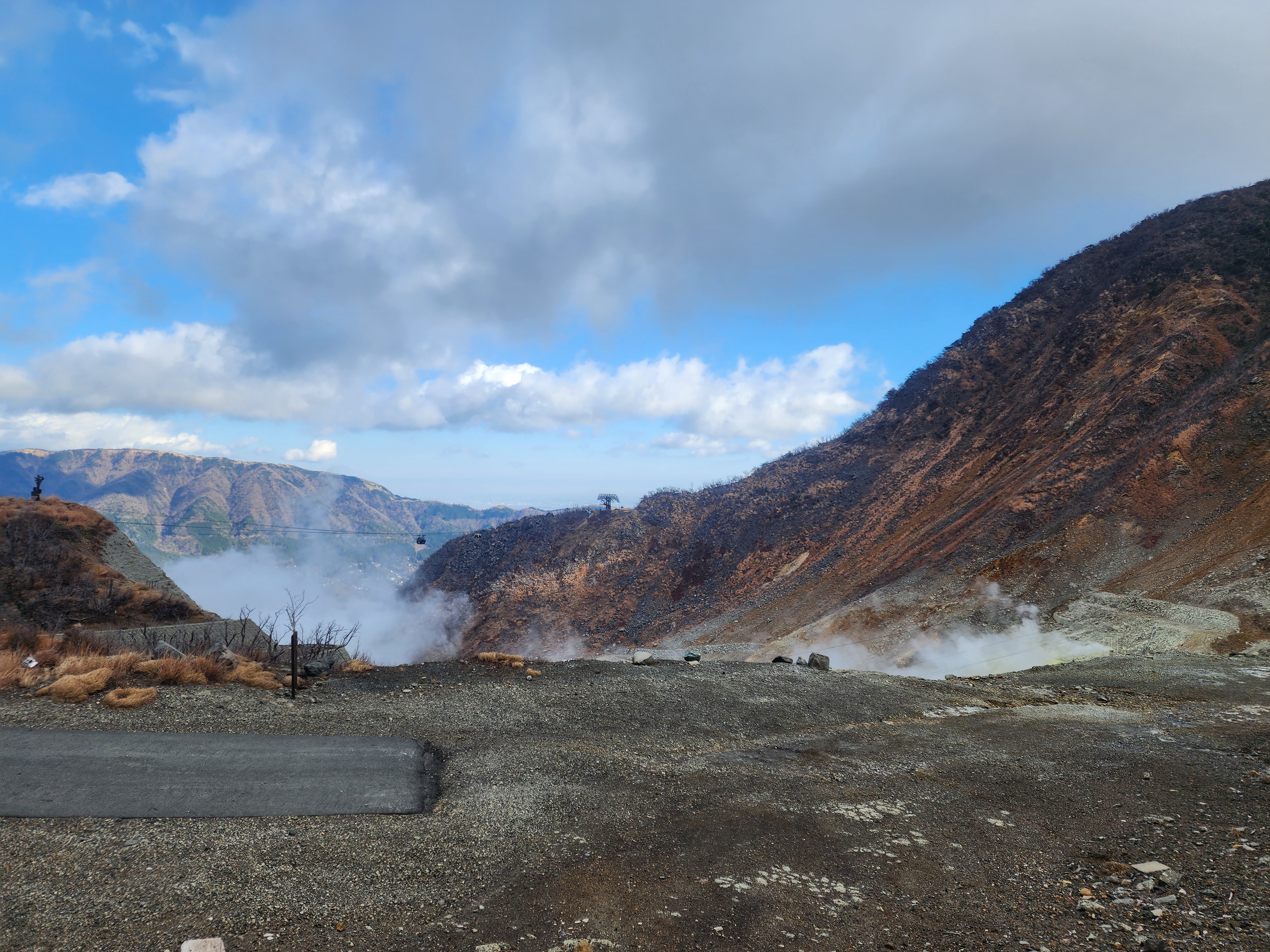
From there, I took the ropeway to the banks of Lake Ashi again. This time, I went off the beaten path to follow a quieter trail into the forest, to breath the air that had the earthy smell of pine tree and moss.
At the edge of the lake, I found Kuzuryu Shrine (九頭龍神社). This shrine is devoted to the Nine-Headed Dragon, a wrathful spirit said to have been tamed and enshrined to protect the waters and the people of this land. Over time, the dragon became a powerful guardian—especially revered for matters of love, purification, and transformation.
There was just me when I arrived. I talked to the old lady who has been taking care of this shrine for years. I watched the ripples on the lake as I sat by the shore and let my mind quiet down. The forest doesn’t speak loudly. It hums. It watches. It listens. It allows. It lets go.
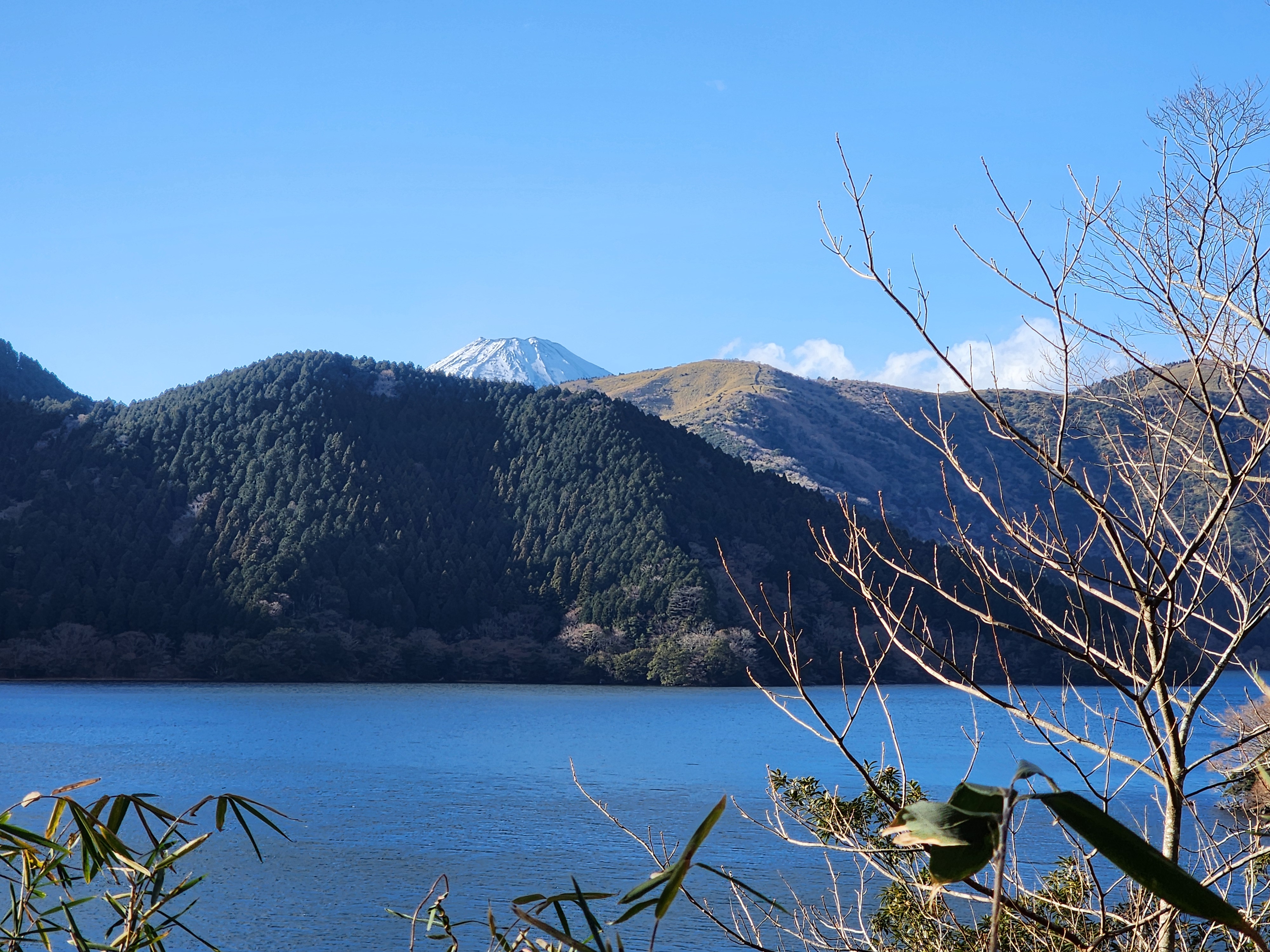
I stayed there, forgot about the time. Just me, Kuzuryu and Mt Fuji.
Day 3: Meditation, Mountains, and a Simple Meal
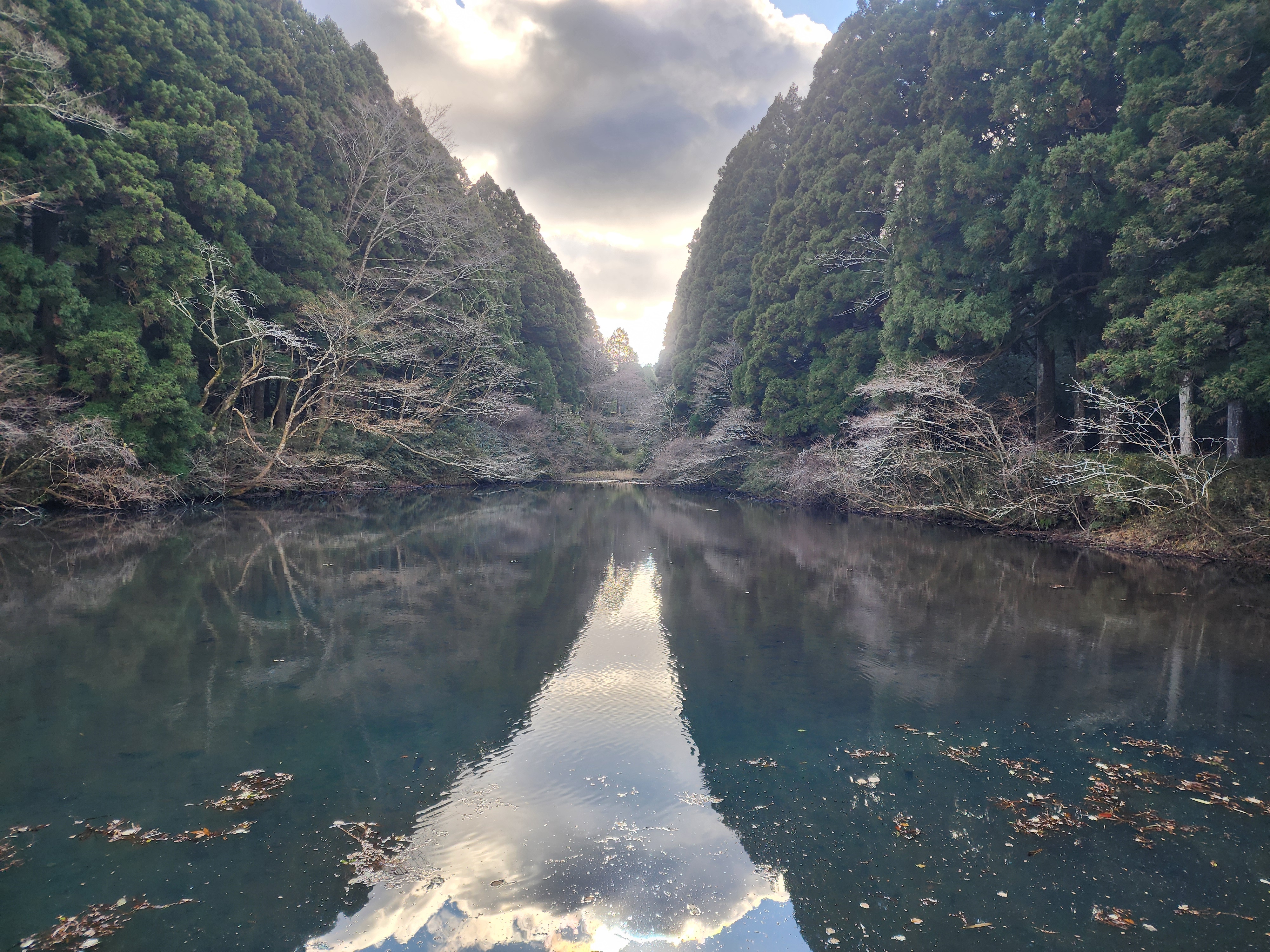
I woke early on day 3 and decided to walk around this town the stopped at Onshi Hakone Park. The air grew colder as I walked through the forest. On the top of the hill in Onshi Hakone Park, I took a rest and what I saw from this point was magnificient.
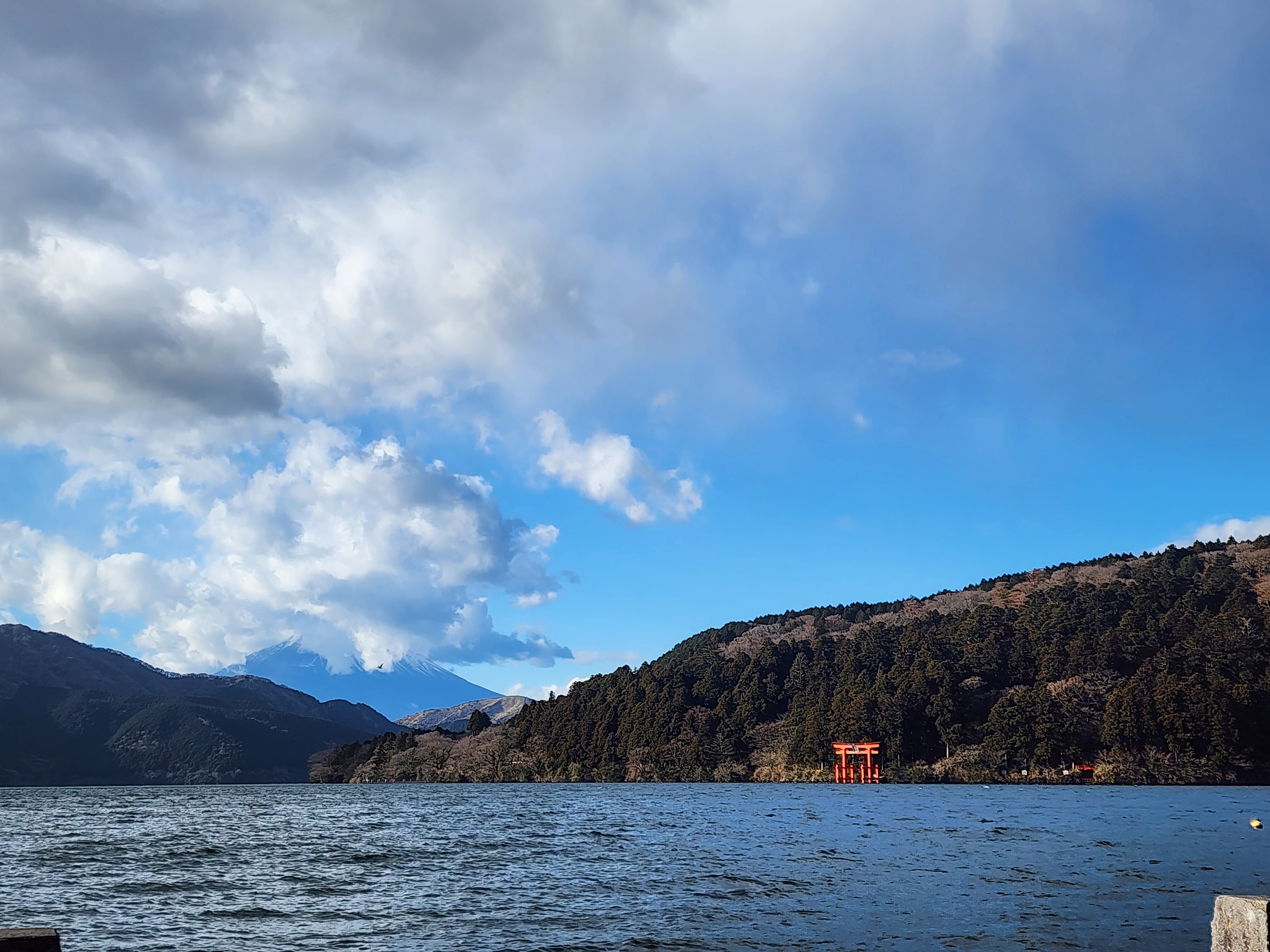
There, I sat facing the open view. Mt. Fuji stood in the distance, gracefully sturdy as if painted by the hand of a kind god. I closed my eyes and started to meditate, feeling the quiet moment of my mind and everything around me.
There was no dramatic revelation. No sound of my inner self. Just a gentle but firm shift inside me, like something that had been cleansed. A sense of loosening.
On the way back to my hotel, I stopped in a small local shop to buy myself some gifts and had lunch. I ate a simple vegan meal with local veggies and treated myself dessert. Just a normal meal but it was so satisfied, for both my body and soul.
I left the shop with a full belly and a gentle heart. The kami as I felt, were everywhere in this small town. They were in the steam rising from rice, in the old lady’s kindness, in the soft wind whispered to my soul.
Day 4: Farewell in Odawara
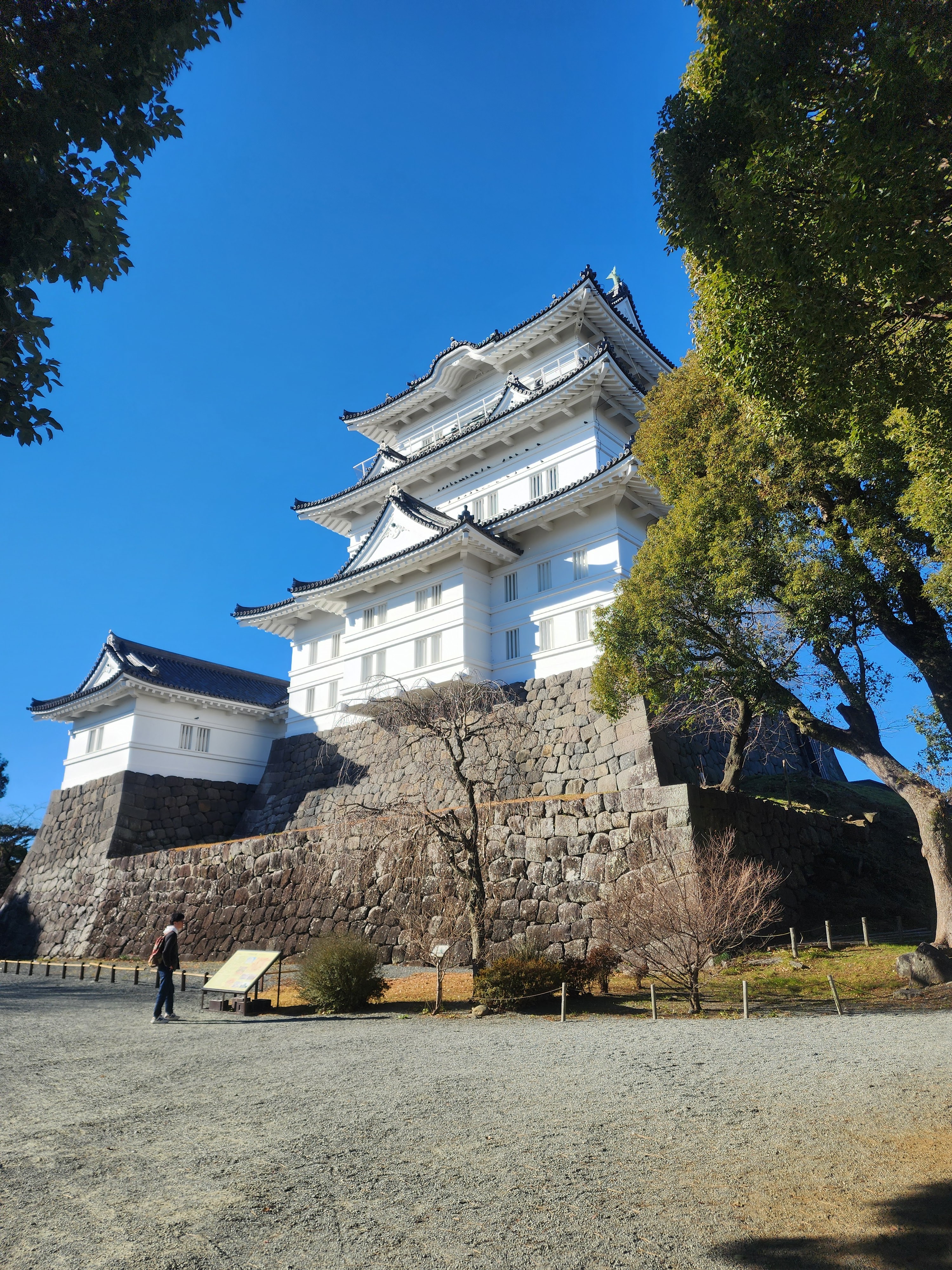
My last day felt softer than the others, like the trip itself was wrapping me in a warm goodbye embrace.
I took the train toward Odawara. On the way, I thought about how much lighter and clearer I might feel—my backpack was full of blessings. Before returning home, I stopped by a small local shop to buy a few things—not just as souvenirs, but as vessels of memory. One charm for protection. One for inner peace. One for prosperity.
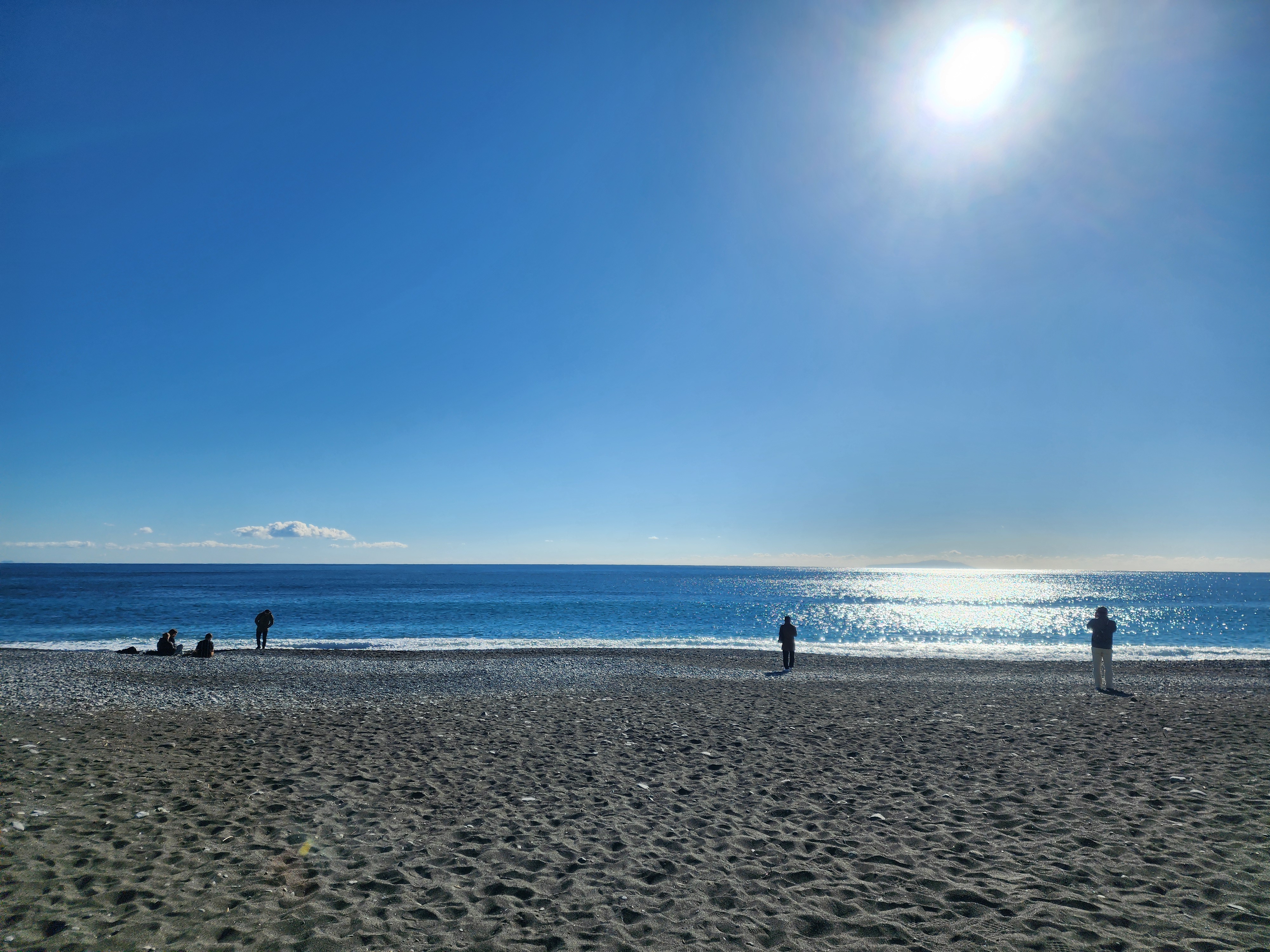
On the train home, I watched the mountains fade into the distance through the window. The shrines I had visited were now behind me, but I didn’t feel like I was leaving them. “I will come back, I promise!” I was bringing the memories with me.
—
Conclusion: The Journey
This was a pilgrimage—quiet, personal, and unpolished trip I gave myself as a reward for never stop trying and believing. I didn’t search for answers or validation. I found presence, and the art of living every moment.
The shrines of Hakone are never loud. They don’t demand your devotion or even attention. They wait patiently for you to arrive with an open heart. Each one offered something different: strength, stillness, release, and a reminder that the sacred doesn’t live only in buildings or rituals—it lives in breath, in water, in trees, and in us.
I came to Hakone to walk with the kami. But somewhere along the way, I also met myself.
 Letters from Hio
Leave a comment