
Dear you,
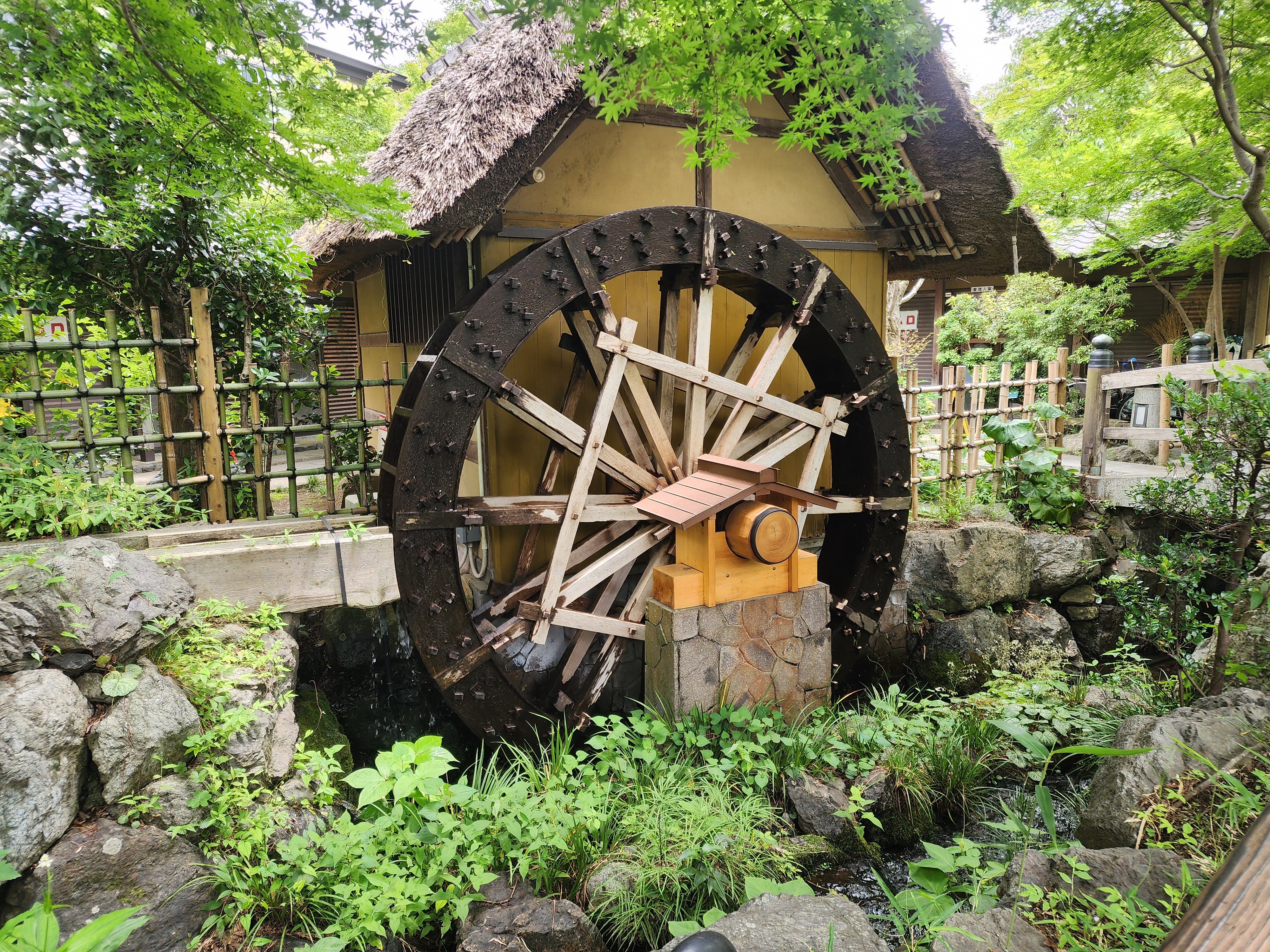
Rainy season has started in Tokyo. It also marks my one year moving to Japan. So that I decided to enjoy a rainy day at Jindaiji Temple. This place offers a unique atmosphere with many interesting experiences. Jindaiji is one of the oldest Buddhism temples in Tokyo, and from the 8th century, it has housed the oldest national treasure of a statue of Buddha in Eastern Japan. It’s a welcome contrast to the city’s usual bustling pace, and locates less than an hour from Shinjuku Station. Jindaiji is perfect for a short day trip if you’re too tired of those crowded touristy places in the center of Tokyo. Here’s everything you need to know to make your trip more enjoyable.
Access to Jindaiji:
The easiest way to get there is to take the Keio Line from Shinjuku Station to Tsutsujigaoka Station or Chofu Station.
From Tsutsujigaoka Station:
Look for the bus stops. You’ll take a local bus No.21 bound for “Jindaiji” (深大寺). The bus ride is relatively short, usually around 15-20 minutes, and it’s a pleasant journey through a more residential side of Tokyo to go into the lush, natural surroundings of the temple area. The bus will drop you off right at the main entrance, making it convenient, especially if you’re carrying umbrellas or cameras.
From Chofu Station:
Take bus No.34 from bus stop #6 at South Gate bound for Jindaiji (深大寺) and get off at Jindaiji bus stop – the last stop.
Local stores and artisan crafts:
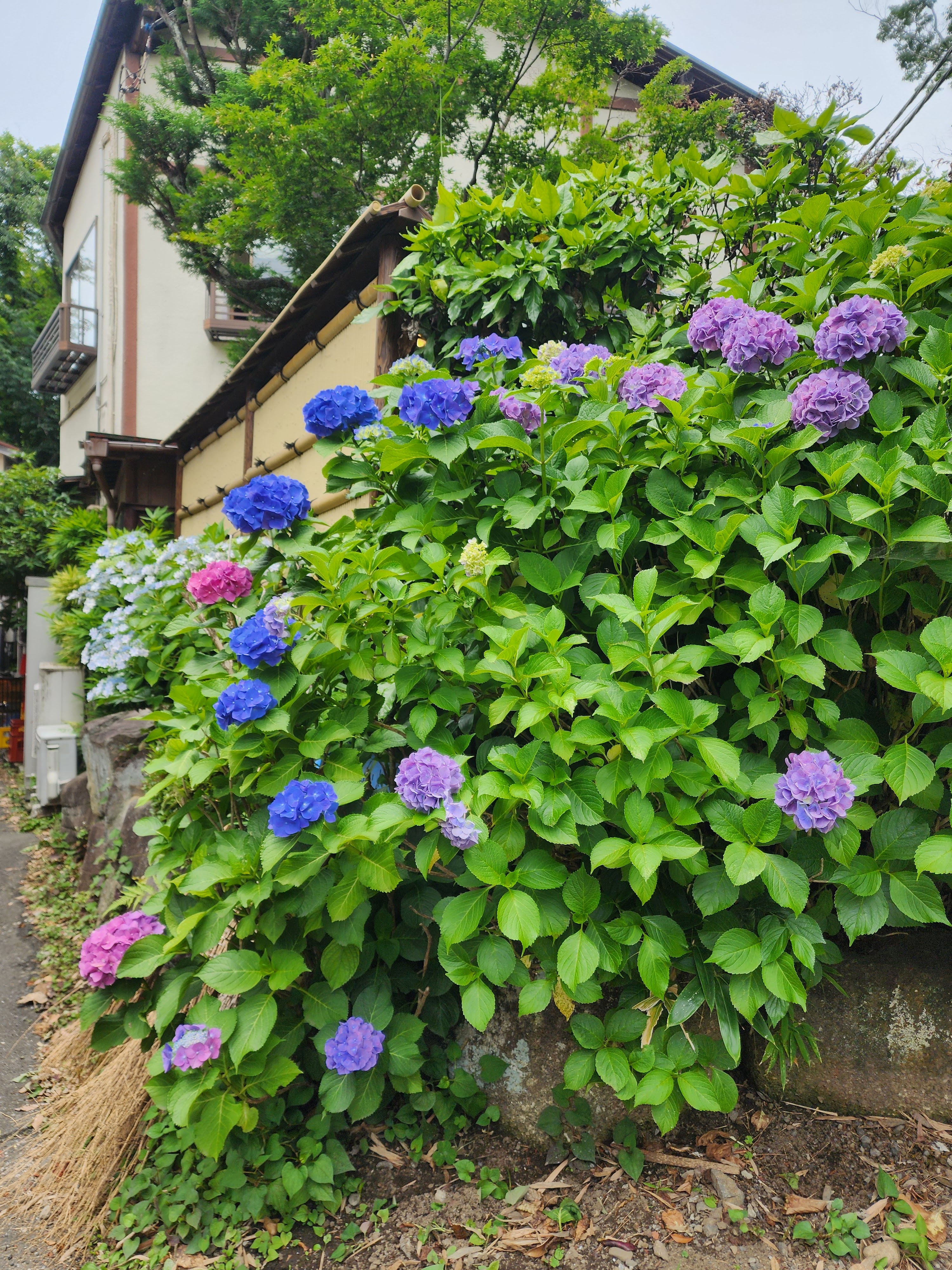
Jindaiji is famous not only for the spiritual purposes but also for its charming characteristic expressed through local shops and eateries that line on the way to the temple. A rainy day added a special ambiance, a remarkable experience for you to remember, as the smell of the senbei shops wafted through the air and the vibrant colors of crafts, the blooming ajisai stood out against the damp stone.
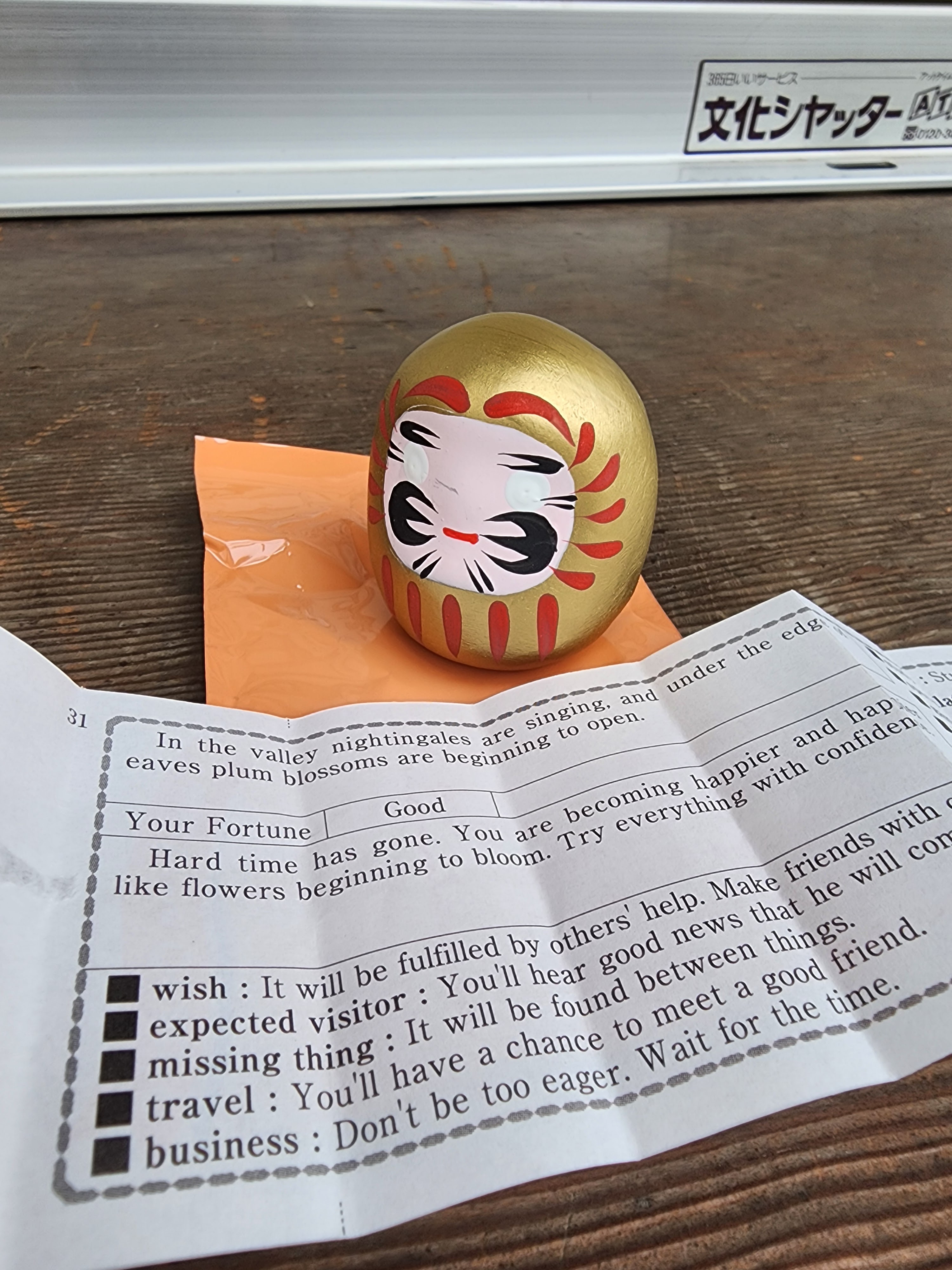
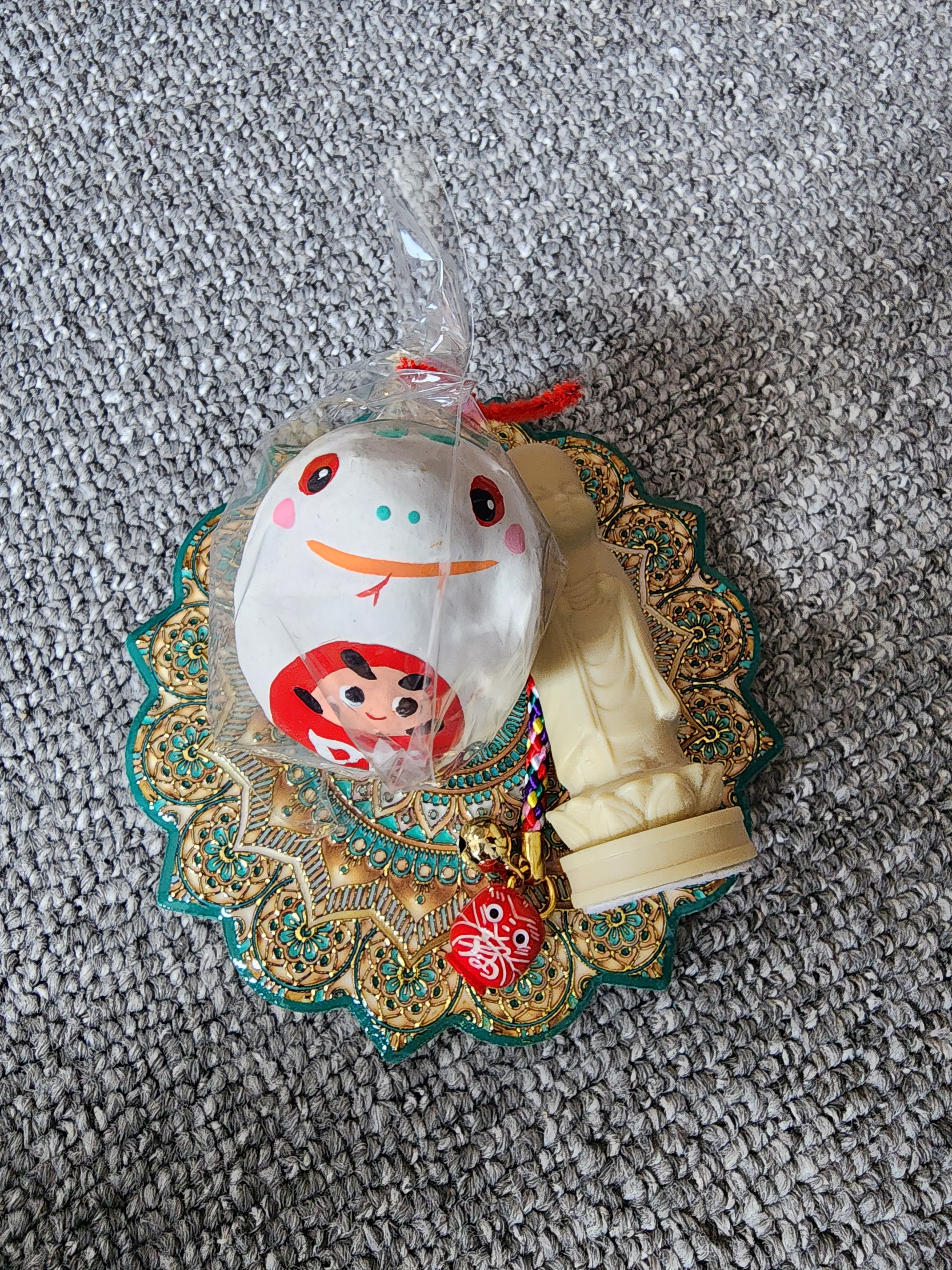
One of the most iconic local products you’ll can buy here is the Daruma. These round traditional Japanese dolls are symbols of perseverance and good luck. You’ll find shops dedicated to Daruma, offering them in various sizes and colors. You can also try your luck at the Daruma omikuji booths inside the temple. They are made for meaningful souvenirs, and purchasing one is a fun tradition. You paint in one eye when setting a goal and the second when the goal is achieved. The craftsmanship involved in creating these dolls is incredible, and it’s so nice if you can support local business.

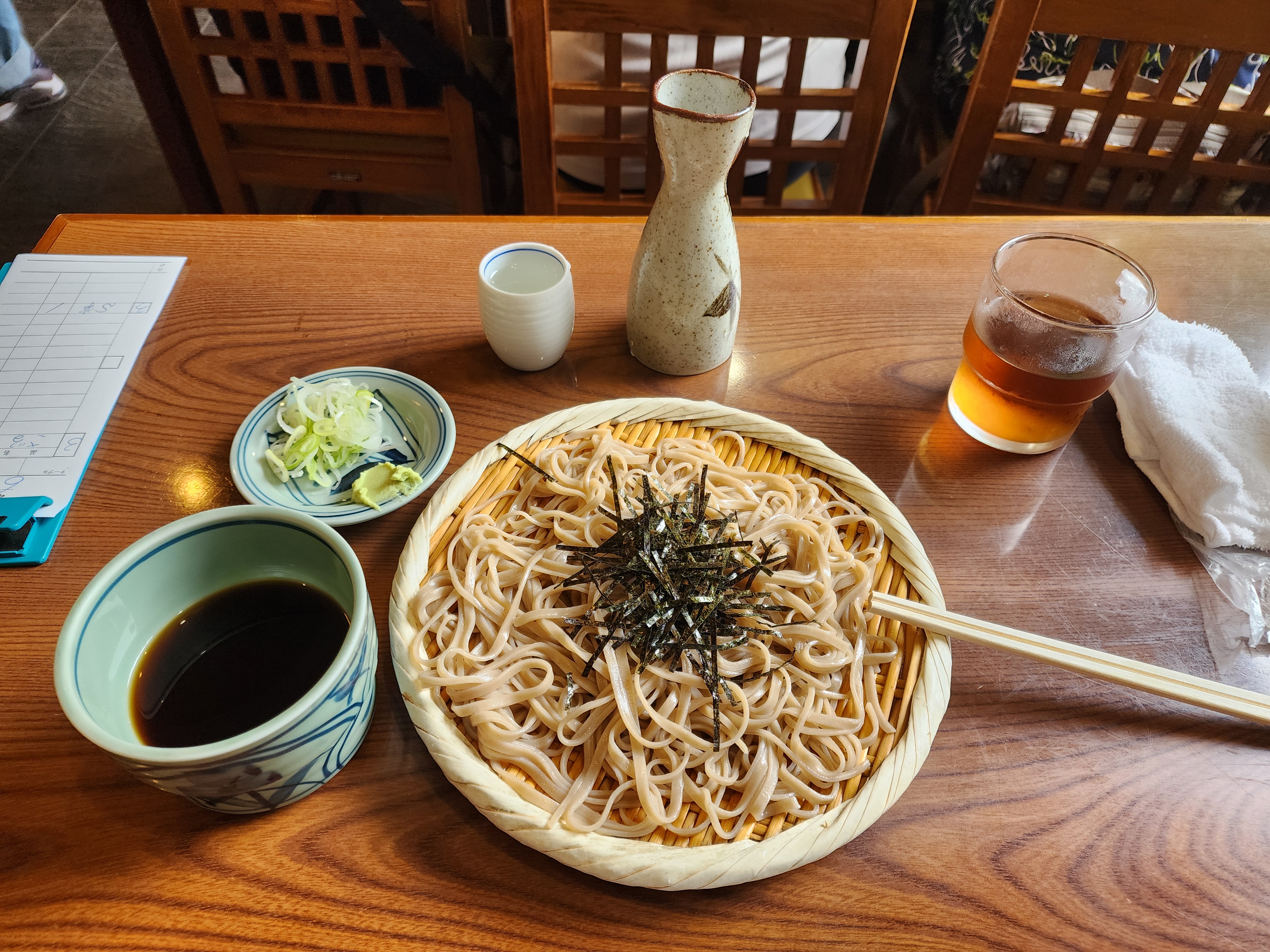
Jindaiji is really famous for its soba noodles. You can find so many soba restaurants here, from the fancy ones to the popular ones, many with traditional thatched roofs and inviting interiors. The temple’s proximity to clear spring water has historically made it an ideal location for soba production. On a rainy day, there’s nothing quite like stepping into a warm, cozy soba shop and try a set of this famous handmade noodles. Whether you prefer them hot in a savory broth or chilled with a dipping sauce, the quality and freshness are exceptional. It’s an essential part of the Jindaiji experience, providing both comfort and a taste of local culinary heritage.
Beyond Daruma and soba, you’ll find other delicious local treats like Senbei- traditional Japanese rice crackers, Yaki dango – a type of Japanese mochi that is baked or grilled. Many shops offer freshly grilled senbei and yaki dango with various seasonings, from classic soy sauce to more adventurous flavors. The aroma of toasting rice crackers is so appealing in the air, tempting you to sample a few, and also to bring home as a flavorful omiyage. You might also find local sweets, pottery, and other handcrafted items, perfect for unique gifts or mementos of your visit. The slower pace on a rainy day allowed me to enjoy a no rush day and to appreciate these traditional crafts.
The Temple’s aura through goshuin
The reason of my visit is, of course, Jindaiji Temple itself. On a rainy day, the temple grounds had an almost mystical vibe. The rain washed the stone lanterns and ancient trees, making their colors more vibrant. The sounds of dripping water and the gentle patter on roofs create a soothing backdrop, enhancing the sense of peace and purity.
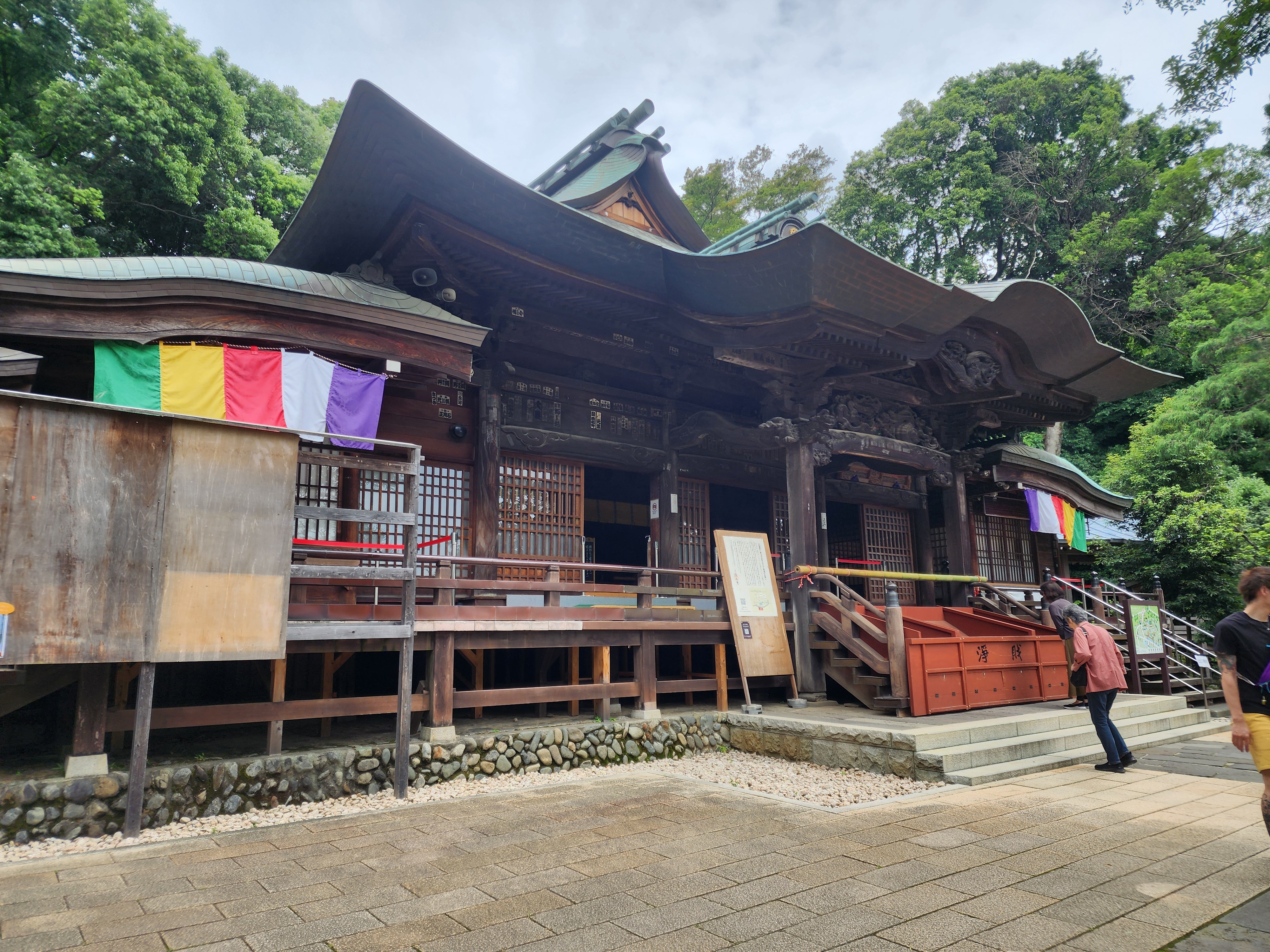
As I wandered through the grounds, I saw several important buildings, including the main hall, bell tower, and various smaller shrines. Each building has its own story and beauty. The air felt so clean, the scent of wet earth and ancient wood filled and boosted my senses, contributing to a profound sense of tranquility. It’s a place where you can truly slow down, reflect, and connect with centuries of history and spirituality.
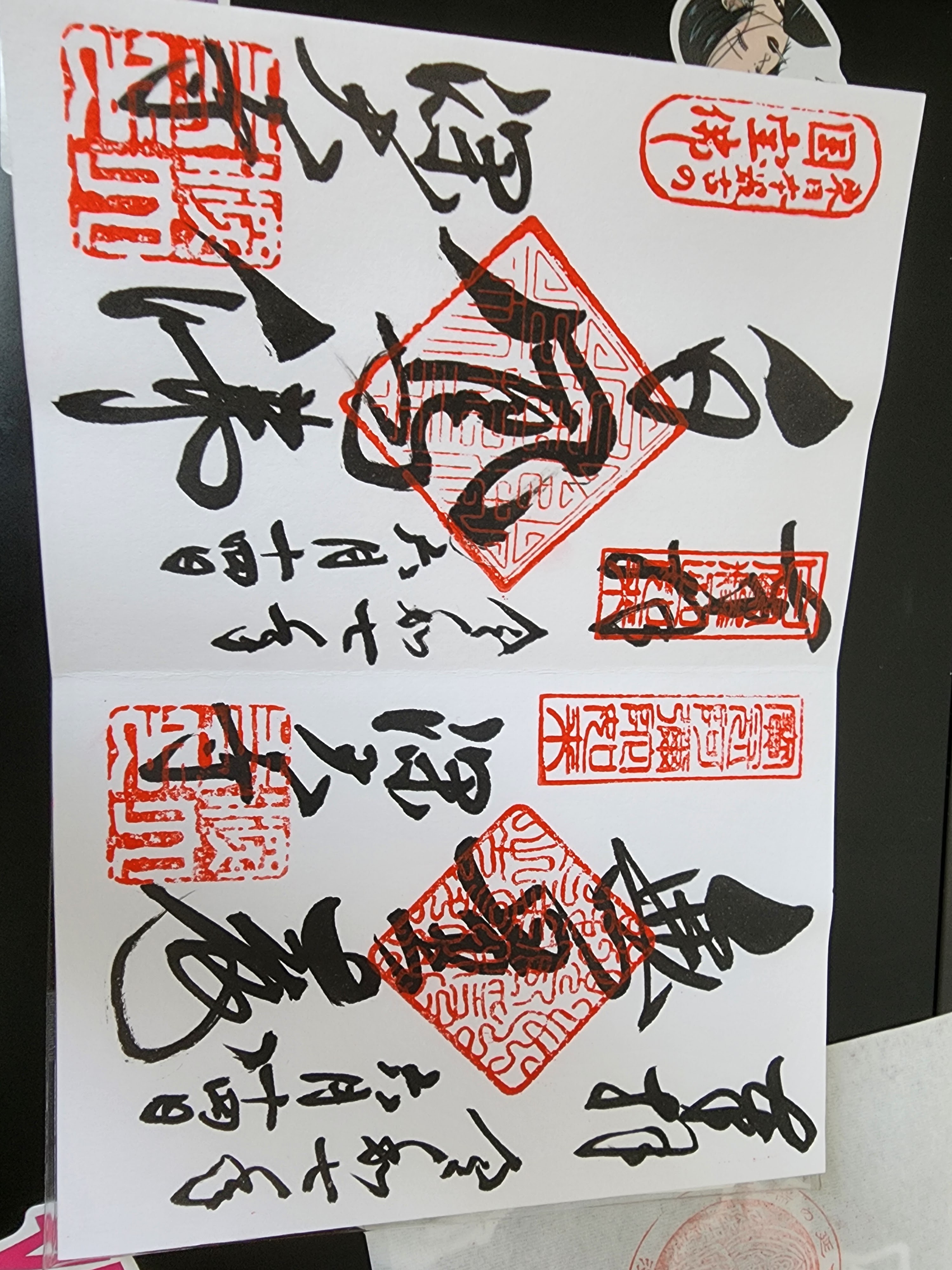
A highlight for many visitors to Japanese temples is collecting a Goshuin (御朱印) and I’m also a Goshuin collector. This is a unique and artistic stamp or seal offered by the temple as a record of your visit. At Jindaiji, you’ll find the Goshuin office, usually near the main hall. For a small fee of 500en, a monk or temple staff member will meticulously brush calligraphy and press the temple’s unique seal into your Goshuincho (Goshuin book) or a special paper. Each Goshuin is a beautiful piece of art, describing the elegant brushwork and the temple’s distinctive crest. It serves as a tangible and meaningful souvenir, far more personal than a typical gift shop items, and it’s a wonderful way to remark your spiritual journey.
Even with a light rain, Jindaiji Temple has offered me a memorable and rewarding experience. The rain didn’t detract Jindaiji from its beauty. It enhanced the temple’s tranquility, making for a truly unforgettable visit. I hope you have a great time here. Please tell me about your experience at Jindaiji ❤️
 Letters from Hio
Leave a comment