
Dear friends,
I’ve got to say that I’m a collector. I can never resist anything cute or unique related to spirituality. Japan is such a paradise for my guilty pleasure. So that, I’ve decided to write this article, to share to you about my hobby as a Goshuin and Omamori addict!
1. What is an Omamori?
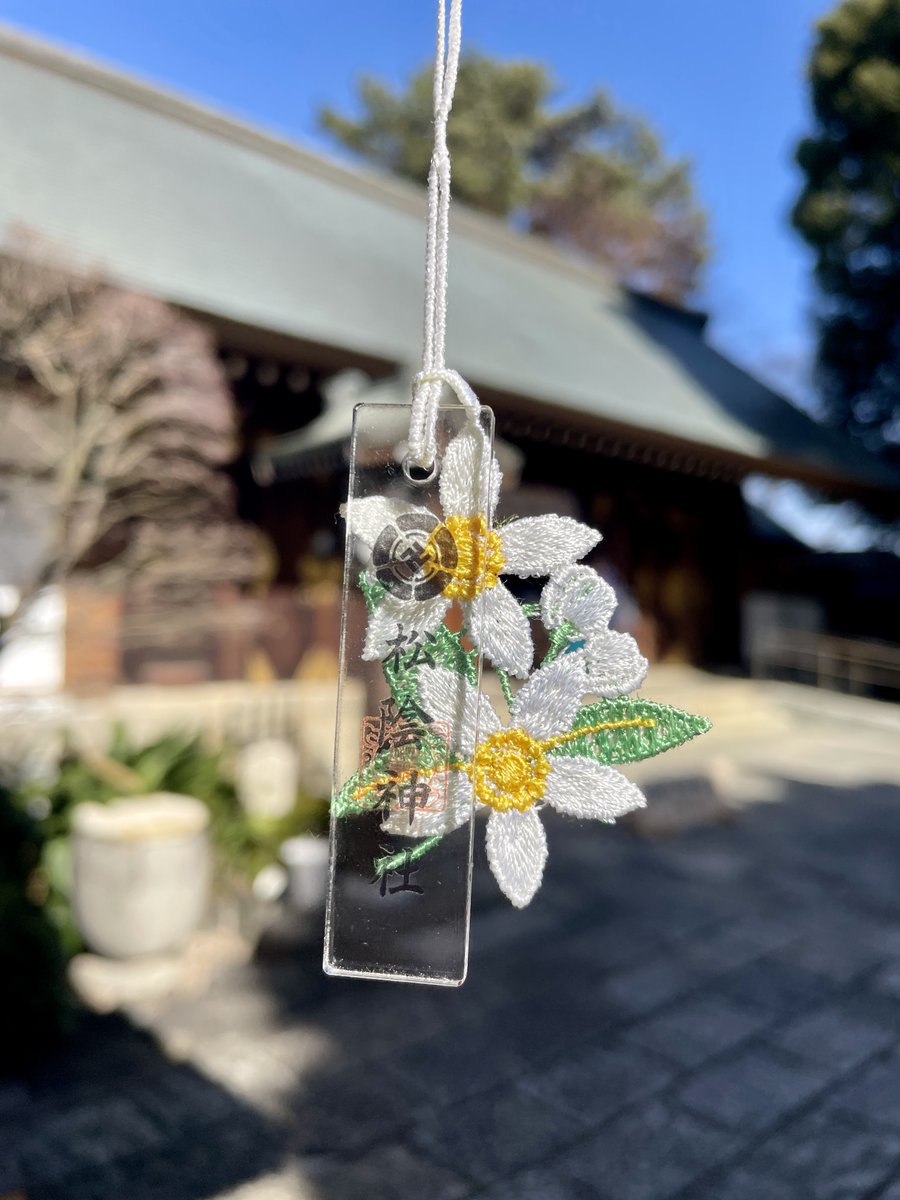
“Omamori (お守り)** are traditional Japanese amulets imbued with spiritual power from Shinto shrines and Buddhist temples. These beautifully crafted charms serve as portable protection, bringing good fortune, success, and divine blessings to their owners.“
2. The Ancient Origins of Omamori
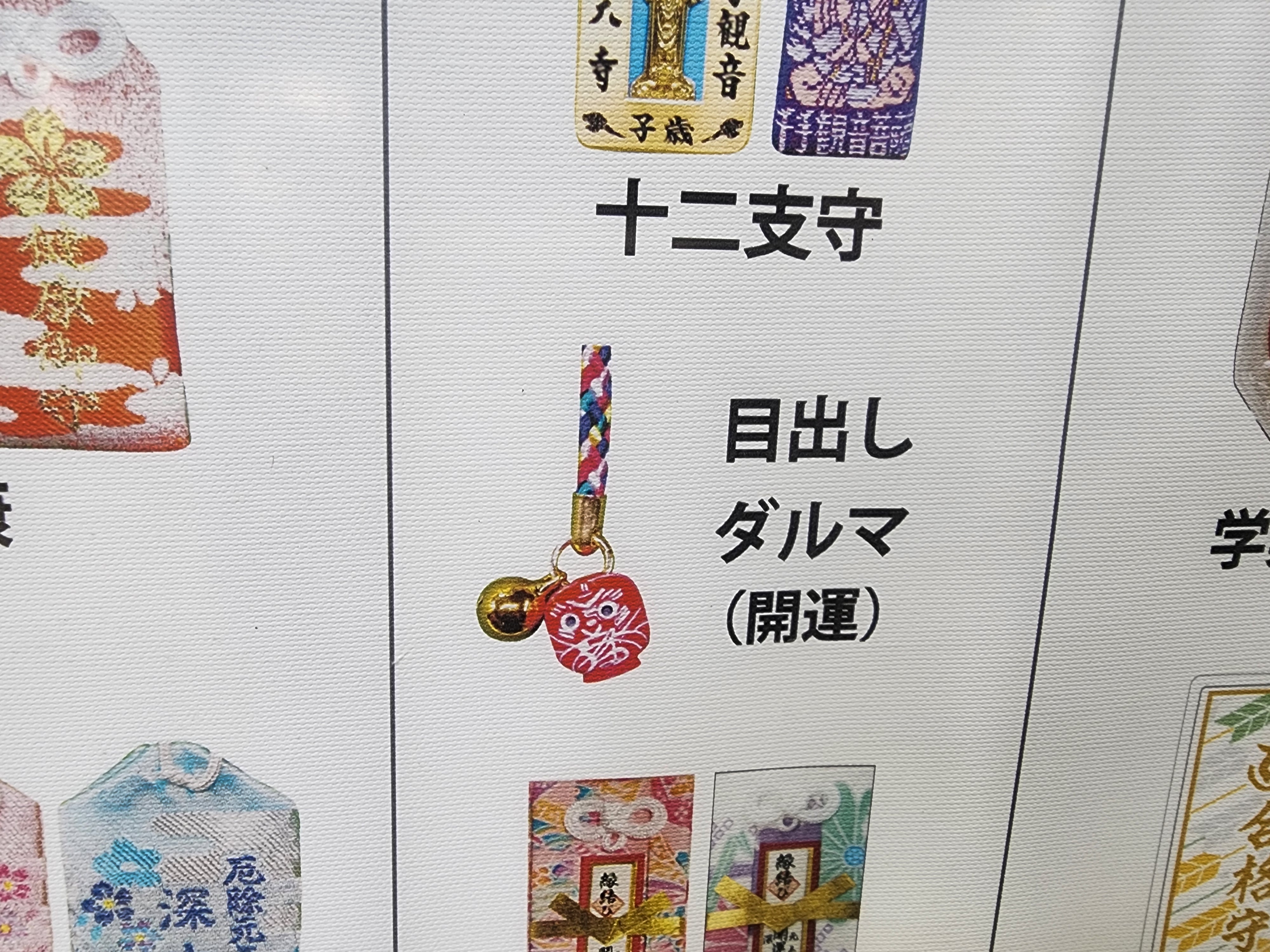
– Omamori is a talisman, or charm, with history rooted in Japan’s Shinto and Buddhist traditions for more than a thousand years.
– Omamori was originally made from wood, paper, or sacred tree bark before evolving into fabric pouches.
– Each omamori contains prayers, sutras, or sacred symbols hand-inscribed by high priests at the shrine or pagoda.
– The tradition connects to kamisama (Shinto deities) and Buddhist guardian spirits.

3.Guidance to use your Omamori
- Keep it close to you. Carry in your wallet, purse, phone case, or hang in your car, or work space, nightstand, or somewhere sacred in your house.
- Respect it. This is a must. Every Omamori represents the God that granted you with your blessings so please show respect! Never open the pouch. It can release the spiritual energy, so DON’T!
- Refresh annually. Many Japanese replace theirs during Hatsumode (New Year shrine visits). But it’s ok to keep it as a souvenir. I still keep a lot of Omamori that my friends have given me.
- Avoid water/damage: Keep it clean and dry to maintain its power. Better to cover it on a rainy day.
- Return old omamori: Most shrines have recycling boxes for proper disposal. You can put your old Omamori in a paper bag and put them inside the recycling boxes. Don’t forget to pay a small fee as a “Thank you” fee for the shrine. I normally put 100en coin to the box.
4. Omamori Meanings: Which Charm is Right for You?
From here, I will guide you how to choose the right omamori for your need.
Omamori has many types like:
- Enmusubi (Love): For soulmate attraction, happy relationships. Can be used to pray for a perfect match if you’re singles, and if you’re not then you can pray for a happily ever after with that person.
Best places for Enmusubi: Hikawa Jinja (nationwide),Yasaka shrine (Kyoto), Suga shrine (nationwide). - Gakugyou (Academic Success): To pray for best exam scores, sharp focus, whenever you have tests.
Best places: Tenmangu Shrines C, Yushima Tenjin (Tokyo).
- Shobai Hanjo (Business Success):For career growth, prosperity, entrepreneurs & employees.
Best places: Fushimi Inari (Kyoto), Inari shrines (nationwide), Naritasan (Chiba).
- Kotsu Anzen (Traffic Safety): To pray for protection for drivers & travelers, Commuters & road trips.
Best places: Dazaifu Tenmangu (Fukuoka), any shrine has Kotsu Anzen so don’t worry.
- Anzan (Safe Childbirth): This is a great gift for friends who are expecting to have kids, or pregnancy, healthy pregnancy & delivery, expecting mothers…
Best places: Suwa Shrine (Nagasaki), Hie Shrine (Tokyo)
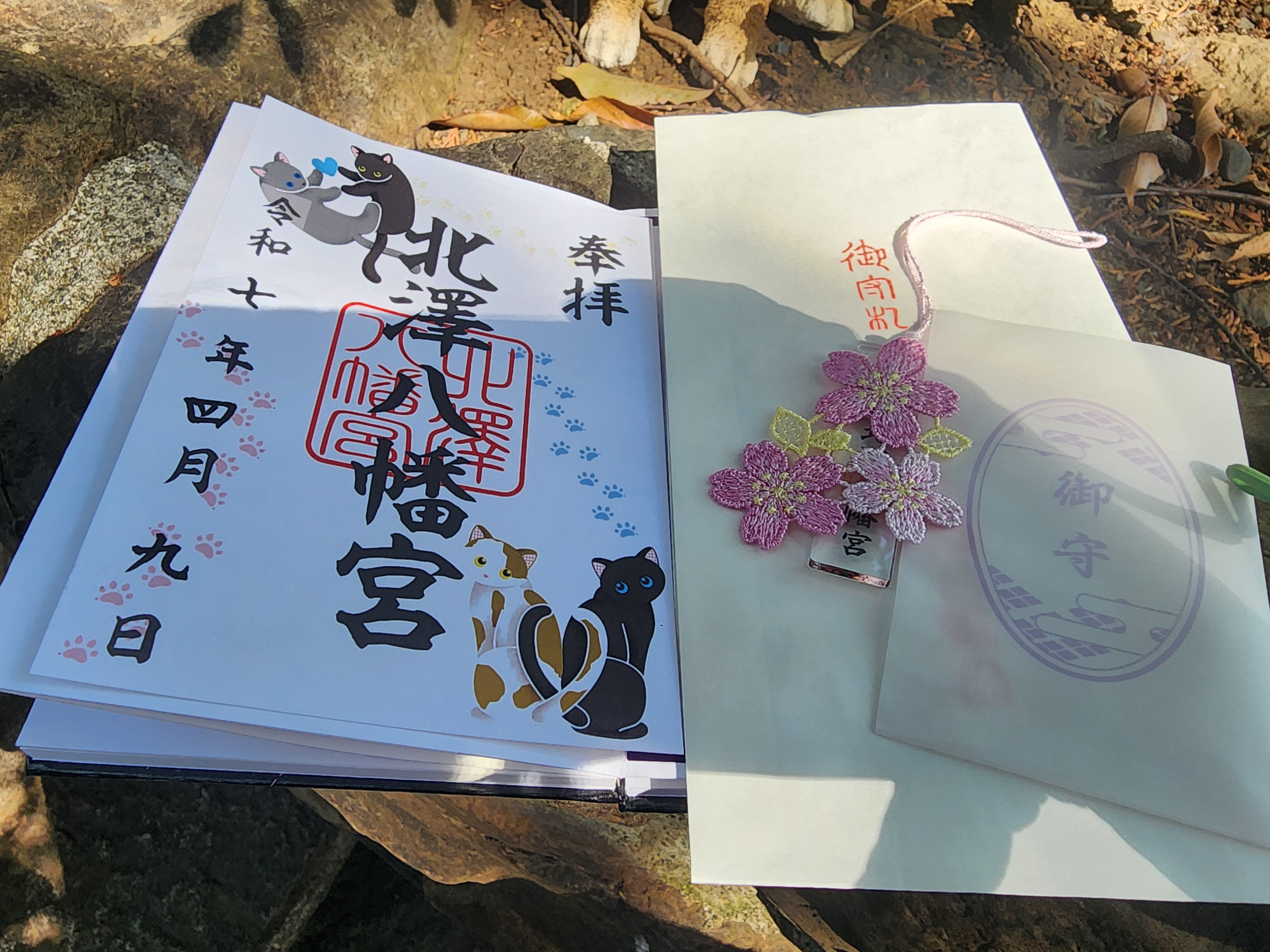
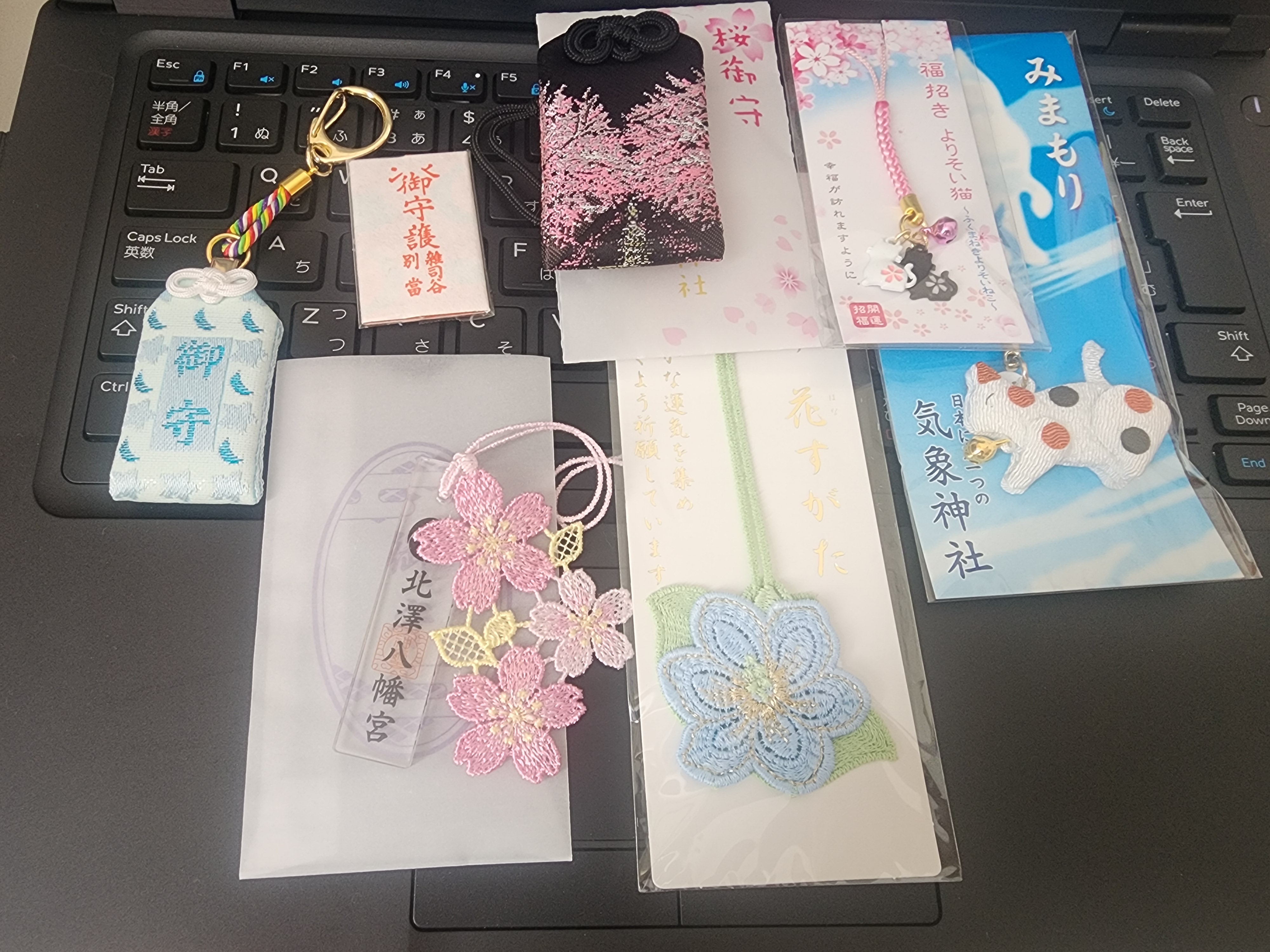
You can also buy seasonal Omamori, like I always do. For examples: Sakura themed Omamori for a fresh start and new beginning, Hatsumode Omamori for speacial New Year Blessings, Momiji Omamori for gratitution. It’s a best gift for friends, family, and even to yourseld. A bless from God, who can say “No” to that?
You can buy Omamori directly from the shrine’s website if you can’t go there but still want it.
5. Carry Divine protection and blessings with you
More than just souvenirs, for me, Omamori are tangible connections to Japan’s spiritual world. Whether seeking love at Hikawa jinja, career success at Benzaiten’s shrines, or exam luck at Yujima Tenjin, there’s always a sacred charm for your journey. Please remember:
- Choose intentionally and ask your heart if it’s for you. Match the blessing to your needs.
- Treat it reverently and respecfully. Every Omamori stores its power and grows with your belief. Believing is seeing, not the other way round.
- Refresh yearly if you think it’s needed. Many Japanese send the old Omamori back to the shrines and purchase new ones on Hatsumode to refresh the blessings. But it’s a choice. Do what you think that works. I still keep the Omamori my man gave me years ago.
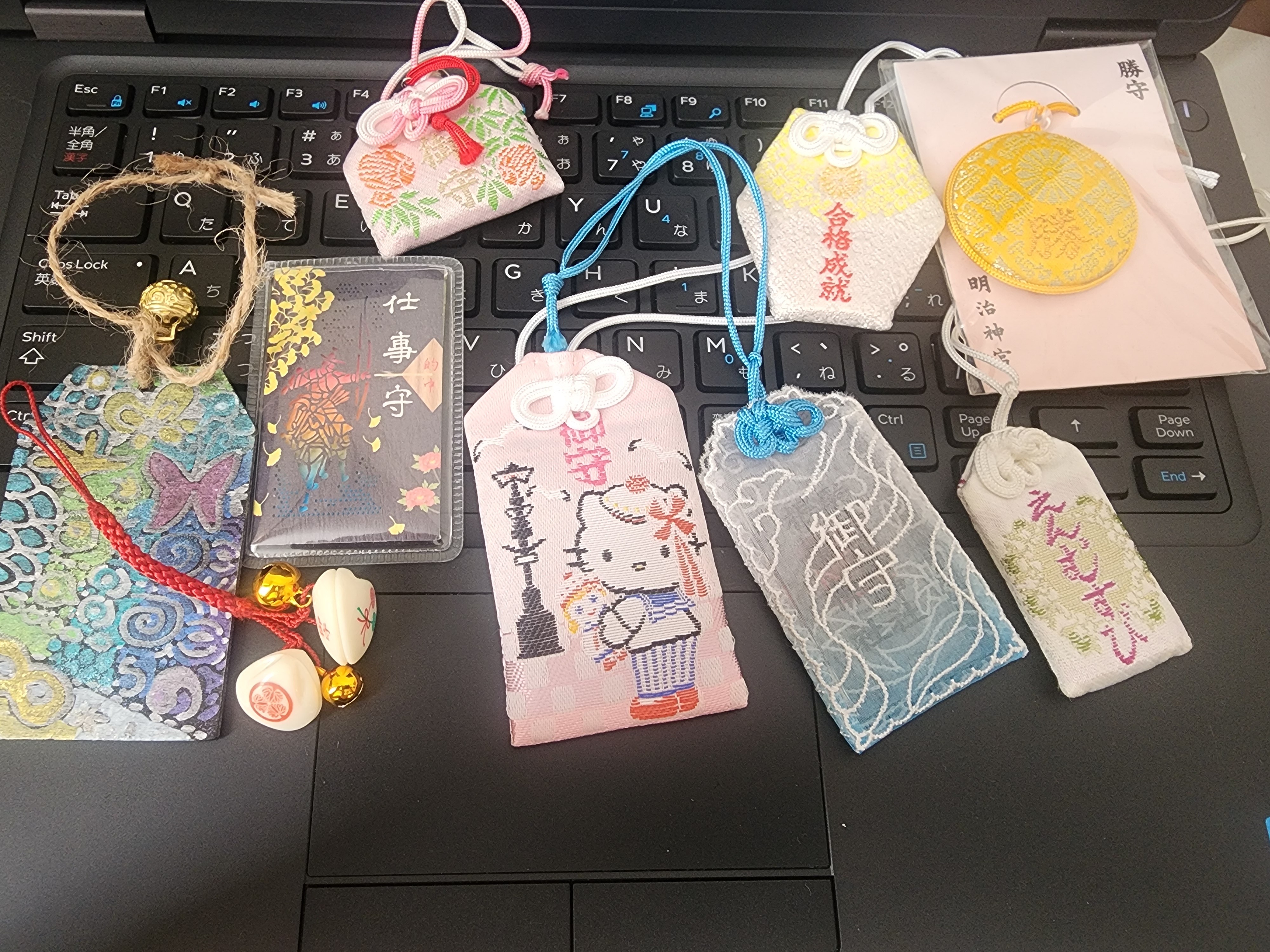
Have you ever received an omamori from friends or loved ones? Share your experience with me in the comments! I’d love to know about your stories!
 Letters from Hio
Leave a comment