

Dear friends,
I’m taking a short break from study, then I decide to write about my beloved Nana, Osaki Nana. If you know her then, I love you!
Nana is a Japanese manga serie written and illustrated by Ai Yazawa and first published as a two-part prologue in Shueisha’s monthly shojo manga magazine in 1999. Nana was later serialized in the same magazine from May 2000 to May 2009 before going on indefinite hiatus. Its chapters have been collected in 21 tankobon volumes. The series centers on Nana Osaki and Nana Komatsu, two women who move to Tokyo at the age of 20, with the story focused on Nana Osaki’s pursuit for fame and Nana Komatsu’s pursuit for romance, all while struggling to maintain their friendship.
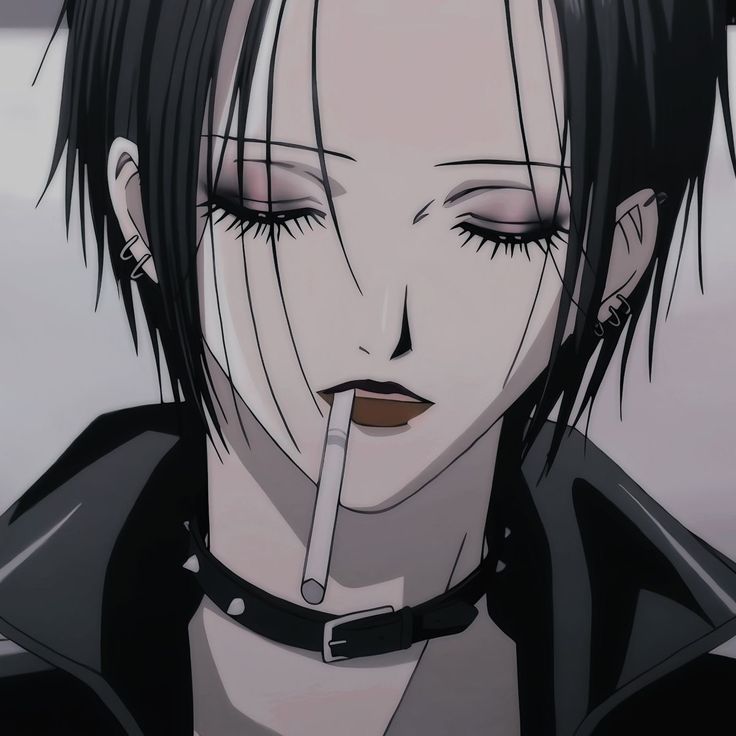
In this article, I will write down the way I explore those deep relationships of Nana & Hachi, Hachi & Takumi, Nana & Ren, and Yasu’s role — while uncovering how Japanese culture shapes this iconic manga.
Why “Nana” still appeals to readers
For me, Nana is more than just a manga. Nana a raw, real, emotional story about love, friendship, relationship and the struggles of maturity. Set in Tokyo, the story follows two young ladies both named Nana, whose lives tangle in ways that are both sad and beautiful, somewhat so heartbreaking.
Nana has a punk rock aesthetic vibe, complicated romance, deep and real character studies. It has been one of the most influential josei manga of all time. Beyond the realistic storyline, it also offers a fascinating look into Japanese culture, fashion, and societal expectations.
1.Nana & Hachiko – A Friendship Like No Other
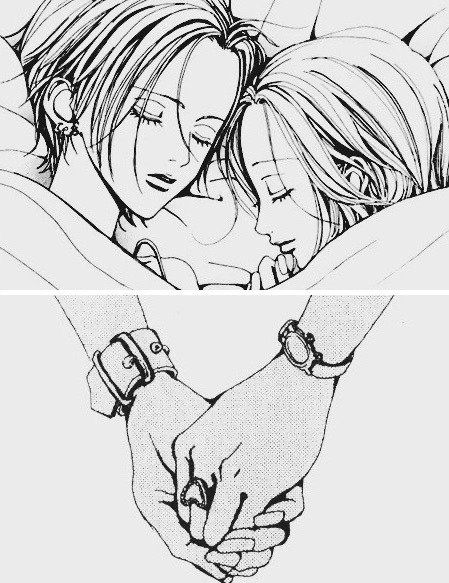
I think the bond between Nana Osaki (the punk rock vocalist of Black Stones) and Nana Komatsu (Hachi, the lovestruck romantic) is what has made this manga that great.
Nana is tough, independent, guarded, royal, thanks to her difficult past.
Hachi is warm, sometimes she’s too emotional. I don’t blame her for seeking love to fill her loneliness. We’re all looking for love from someone else, aren’t we?
Their friendship is intense, almost like romantic relationship, reflecting the Japanese concept of “girlhood intimacy” (少女同士の絆) that can be seen in many shoujo stories.
I can tell that they really love each others. Yes, the co-dependent yet deeply loving kind of friendship. They rely on each other like family, but their differences create tension. As Hachi gets involved with Takumi, Nana feels betrayed and abandoned, mirroring real-life friendship struggles. Hachi means a lot to Nana so it’s hard for her to see her best friend falls in love with a guy and slowly slip through her fingers. Their dynamic reflects the amae (甘え) concept—a mix of dependence and indulgence in relationships, common in close friendships.
2. Hachi & Takumi – A complicated love story
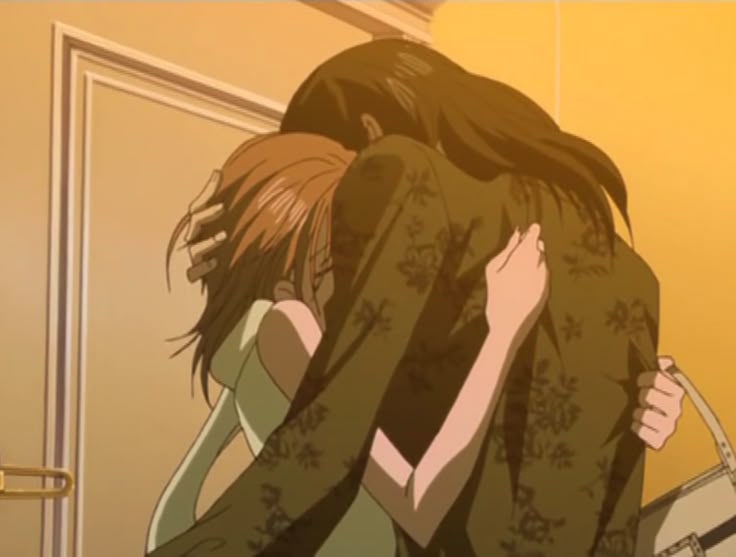
Hachi’s romance with Takumi is one of the most controversial and complicated relationship in this manga.
Takumi is possessive with his career, somewhat manipulative toward Hachi, but he has given her stability that she needs. He loves his work more than anything, and women are only his 2nd priority.
Hachi has grown in her relationship with Takumi. She got pregnant and her maternal instinct makes her strong. She finally stays out of fear and obligation, especially after becomes a mother.
I can relate Hachi’s story to many women in Japan who often have to face pressure to prioritize security over happiness. This society wants women to be strong, even if they have to put themselves aside. women like Hachiko, they love deeply and seem to romanticize love as a measure for happiness. are they really happy?
in reality, we have the dark side of fame and power dynamics that can affect in every single relationship. In japanese culture, men are expected to be providers and women have a role of being dependent to their men. most japanese women may tolerate unhappiness as a price for stability. It’s the traditional gender roles and somehow it no longer fits in the modern society.
3. Nana Osaki & Ren – A love that burns so bright
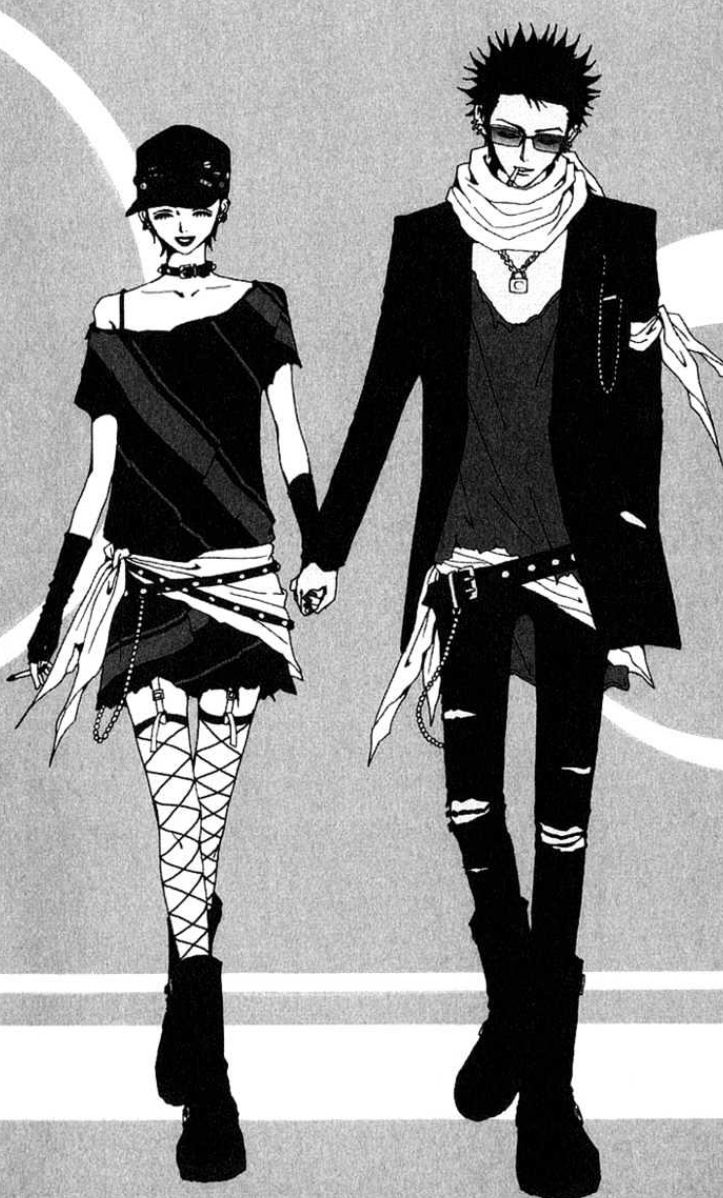
for me, the love between Nana and ren is a destructive love. It’s passionate but it’s too much and too desperated. they both love each others deeply to the points that can destroy themselves. Their bond is deep, but so insecured and plagued by addiction. is it good? I sometimes ask myself. do I even want to love that much to the point i can ruin myself? i still have no answer.
it hurts so much because ren has to struggle between love and fame, to keep the balance. it leads to his tragedy – self destructive nature of a passionate artist. nana’s love can’t save ren from his demons.
their story reflects the rockstar trope: “LIVE FAST DIE YOUNG” AND “WE ONLY LIVE ONCE”. SOME PRIORITIZE FAME AND LET THEIR EGO CONTROLS THEIR NEEDS FOR TRUE HAPPINESS, RATHER THAN JUST LIVE A SLOW AND BORING LIFE. BUT WHAT IS HAPPINESS? FOR EVERYONE HAS THEIR OWN DEFINITION. BUT WHAT IS TRULY HAPPINESS?
4. Yasu – The Stoic Protector
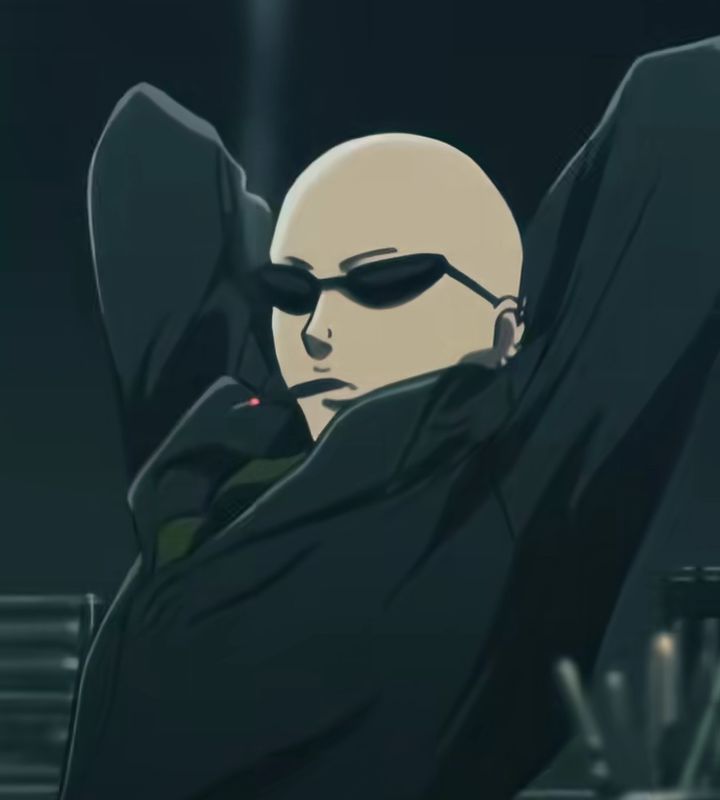
I CAN SAY THAT YASU IS THE ONLY PERSON THAT LETS HIS HEART BE RULED BY HIS HEAD. HE IS STILL A HUMAN BEING, BUT HE BALANCES OUT THE FIRE IN NANA AND ALWAYS BE HER TRUSTED SIDEKICK. YASU IS THE EMOTIONAL ANCHOR FOR BOTH NANA AND HACHI.
FOR nANA, YASU IS A ROYAL KNIGHT IN SHINING ARMOR, ALWAYS BE HER PROTECTOR AND GIVING HER HIS UNREQUITTED LOVE. for hachi, he’s more like a brother. he is her wise mentor that offering guidance whenever she’s lost.
yasu is the heart of blackstones because he keeps the band alive. yasu represents stability in a chaotic world of maturity. he shows us that platonic love can be equal and powerful as a passionate love. Yasu embodies “giri” (義理), a sense of duty and loyalty, a key value in most Japanese relationships.
5. How Nana Reflects Japanese Culture
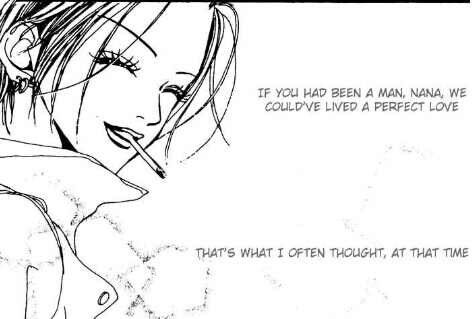
Beyond relationships, Nana is steeped in the Japanese cultural themes with these elements:
- Tokyo’s Music Scene: This manga captures the indie rock and visual kei culture of the 2000s.
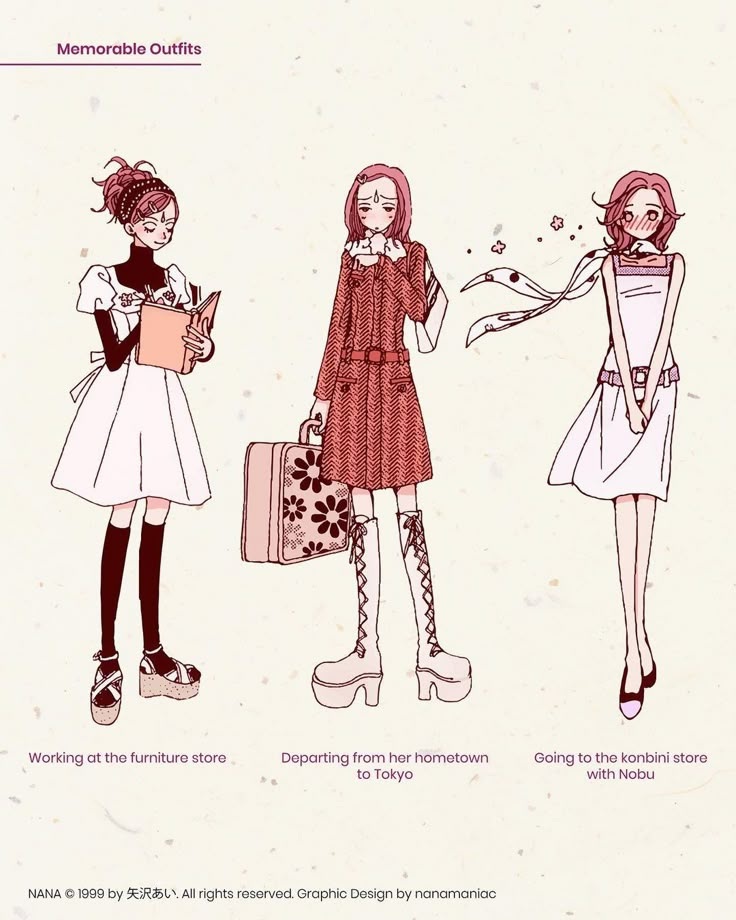
- Fashion is used to identify the characters: Nana with her Vivienne Westwood style and Hachi’s girly looks tell a lot about her personality.

- Societal Pressures and judgments: between Career vs love, single motherhood, the struggle for independence in a conformist society.
6. Final thoughts:
I 1st read Nana when i was 15, and i didn’t understand. but the more i grow up, the more I think that “nana” isn’t just a shoujo manga – it’s a masterpiece of emotional storytelling and a realistic picture of life. the characters struggle with love, career, self image and identification. you can see parts of yourself in every character. From nana’s fierce to hachi’s longing for validation. the heartbreaks, the betrayals mirror real life disappointments.
nana doesn’t sugarcoat life. it brings out all the bright and dark sides. it shows love as both beautiful and destructive, dreams are hopefully and crushingly. it’s a raw and unforgettable song of youth, choices, maturity, love, life.
did they find happiness?
could things be different?
what is happiness?
those questions will still haunt me for years.
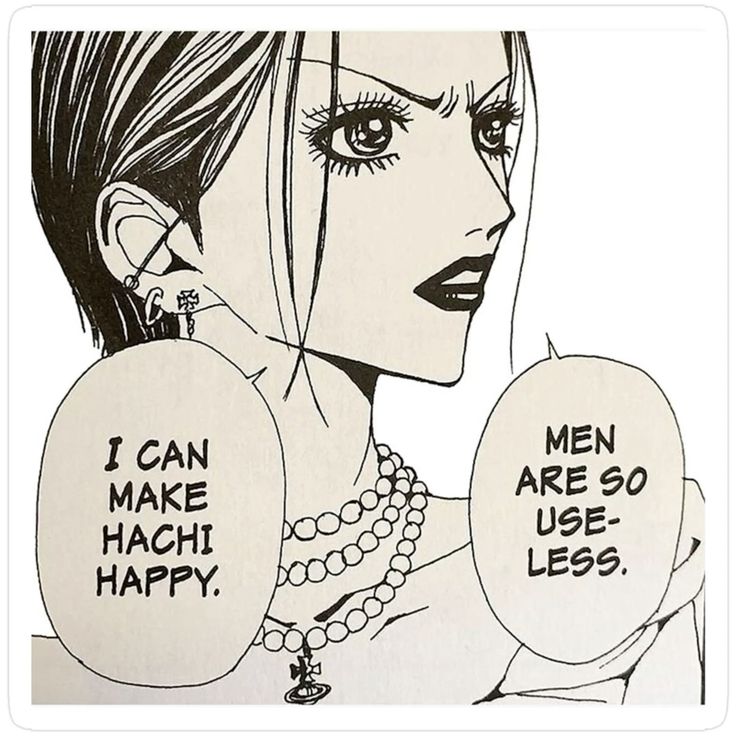
 Letters from Hio
Leave a comment