
Dear friends,
I can proudly say that I love Japanese culture and religion to the point that I want to study Shinto in Kokugakuin. It’s a dream I want to make it come true and it’s my life purpose.
In this article, I will share with you my knowing about Shinto etiquette – a guide to visit the place of God with respect and manners.
As you may know, Shinto (神道) is Japan’s indigenous religion. Shinto is deeply rooted in tradition and reverence for nature, ancestors, and kami (spirits and deities). When visiting a Shinto shrine (jinja), knowing proper etiquette shows respect for the customs and deities who are workshiped in that shrine. Whether you’re a traveler or someone interested in Shinto practices, this is a friendly and easy guide that will help you navigate shrine visits with grace and respect.
Please enjoy reading!
1. Preparing for Your Visit
– Dress modestly: There’s actually no strict dress code, but you should wear modest and clean clothing while visit a Shinto shrine. Avoid overly casual or revealing outfits. You show respect to the God with just small action.
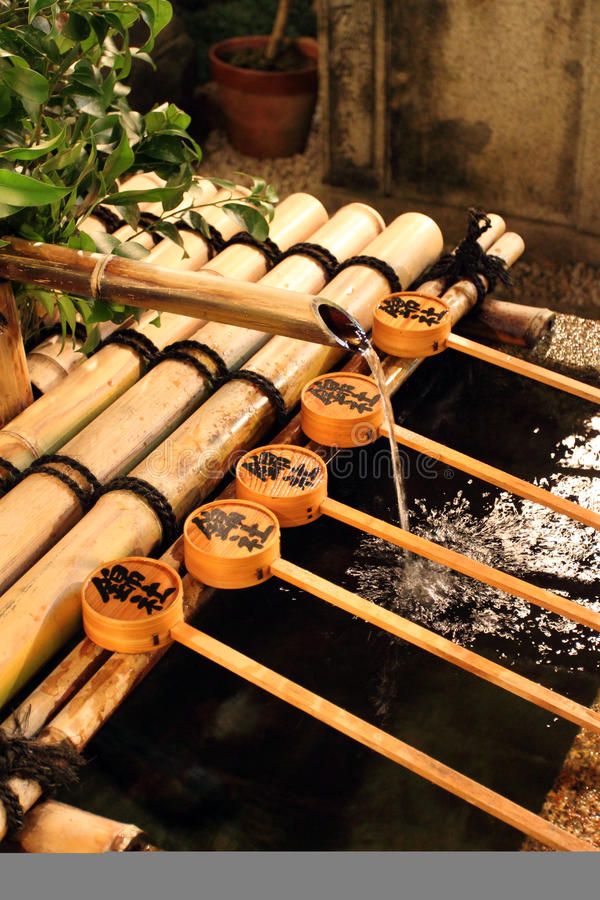
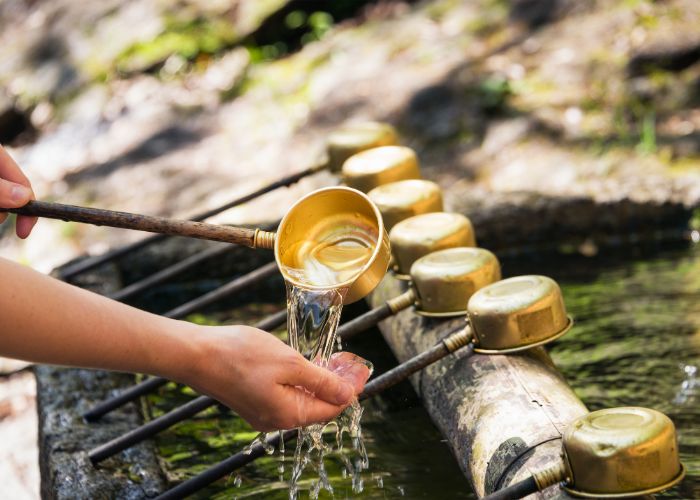
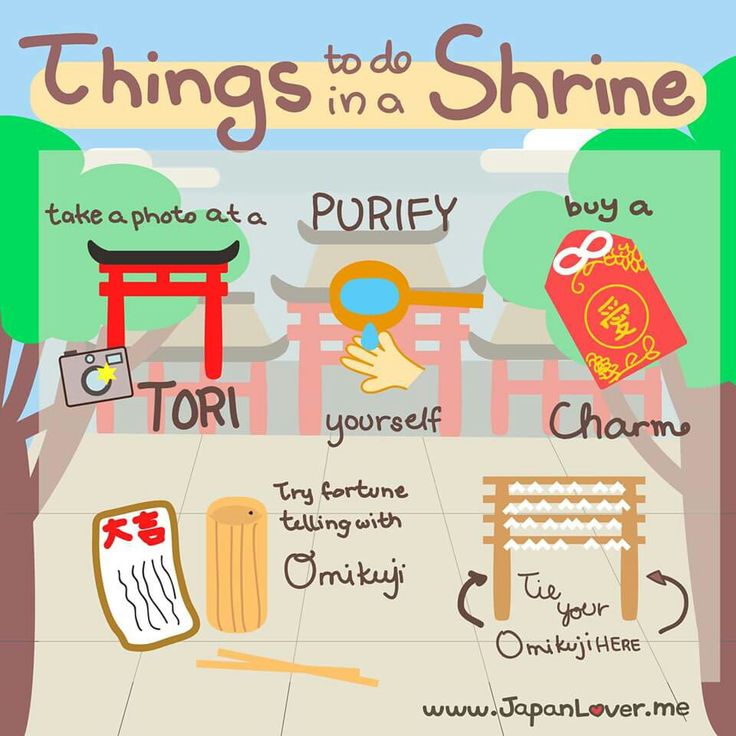
– Purification (Temizu): Before approaching the main shrine, purify yourself at the temizuya (water pavilion). Using a ladle to scoop water, rinse your left hand then your right hand, transfer the ladle to your left hand and pour water over your right hand to rinse it. Then cup water with your left hand to rinse your mouth. Finally, rinse the ladle. Please don’t put your mouth directly to the ladle.
2. Approaching the shrine
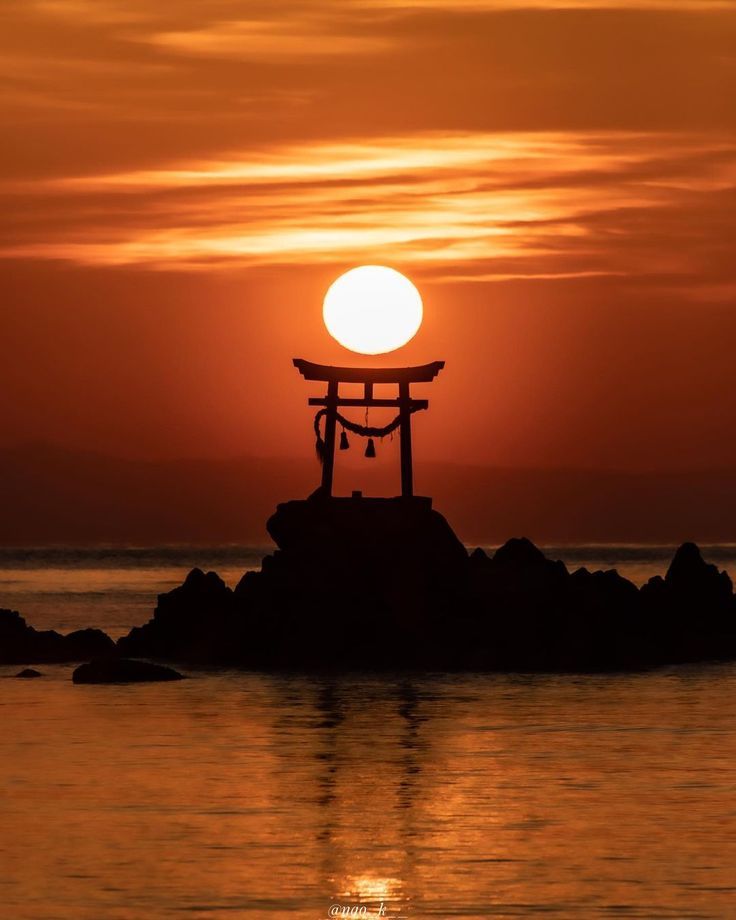
– At the Torii gate: Bow slightly before passing through the torii, as it marks the entrance to the sacred space. Walk to the side rather than the center, which is reserved for the kami.
– While you walk the pathway (Sando): Stay to the sides of the central path, as the middle is considered the kami’s path.
3. Making an offering then pray
At the haiden (worship hall), follow these steps:
– Bow once. If there is a bell, use the attached rope to ring it.
– Place an offering into the offering box in front of the shrine. There is no rule as to a specific amount because as your offering expresses your thanks to the deities. Let your inner voice and spirits guide you. Most shrines do not provide cashless services so remember to prepare cash.
– The proper manner at most shrines for prayer is nirei – nihakushu – ichirei, which is 2 bows – 2 claps – 1 bow. But I follow Izumo prayer style and do 2 bows – 4 claps – 1 bow.
– Pray Silently: Keep hands together, offer a silent prayer or wish. Talk to the deities there with your heart and your mind. They can hear you. They can also see your heart.
– Back slightly away from the prayer hall and bow once more as an expression of your gratitude.
– After you pass through the shrine gate and leave the shrine, turn around and bow your head. You should always avoid the center of the path this time.
4. Additional Shrine Etiquette
– Photography: Avoid taking photos of the main hall’s inner sanctuary (honden) unless permitted.
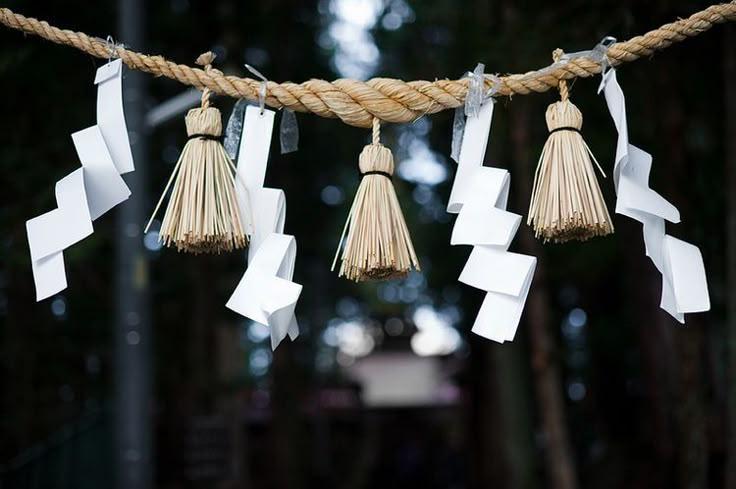
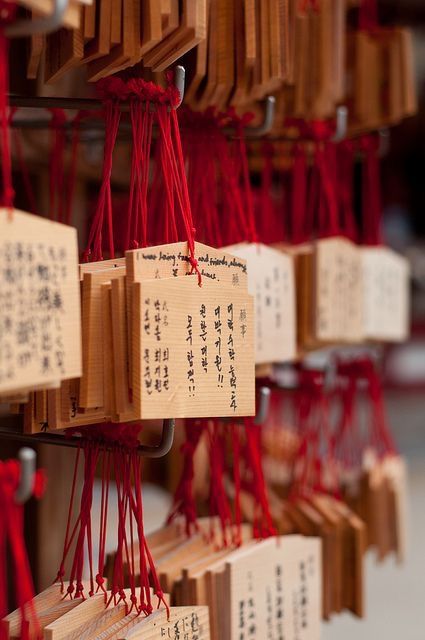
– Respect sacred objects: Do not touch ropes (shimenawa), ema (wooden prayer plaques), or other ritual items unless instructed.
– Omamori & Ema: Purchasing amulets (omamori) or writing wishes on ema is encouraged, but treat them respectfully.
5. Conclusion
Shrines are places of faith that consider purity of body and spirit. Whenever you visit a shrine, please respect its sancity and purity, and please understand that shrine is not a tourist spot.
By observing these traditions, you honor the spiritual heritage of Japan and deepen your connection to the sacred space. Whether you’re praying for good fortune, appreciating the serene atmosphere, or learning about Shinto culture, proper manners enhance the experience for everyone.
Thank you for reading!
 Letters from Hio
Leave a comment