

Dear friends,
I’ve been studying Japanese culture for a long time. The more I read, the more I start to think about how shallow I am. Japanese culture has so many condensed concepts that have been taken me so long to truly understand. In this article, let’s talk about Rinne – The concept of life and death, the meaning of reincarnation in Japanese culture.
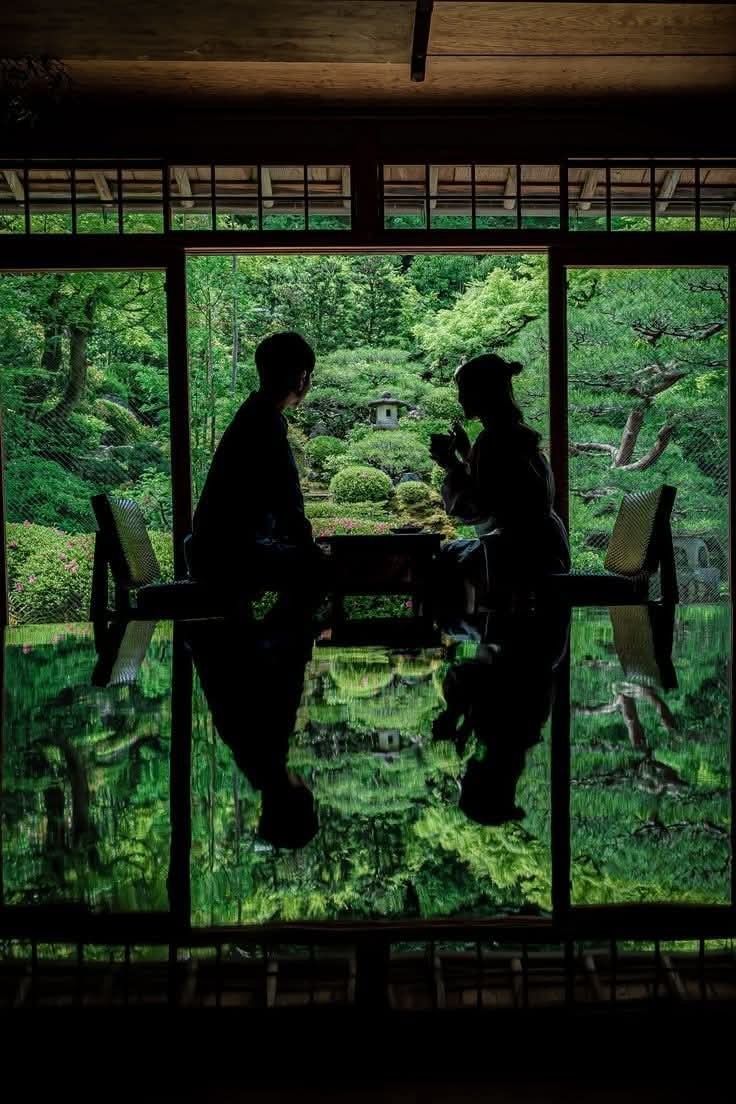
The concept of 輪廻 (Rinne), or Reincarnation, has been a profound aspect of Japanese culture for centuries. It was originaly drawing from Buddhist teachings and many folk beliefs. Rinne reflects a understanding of life and death, the interconnectedness of all beings in all forms and appearances.
Let’s explore the origins of this concept with me in this article, for its cultural significance in Japan, and its representation in literature, art, and modern society.
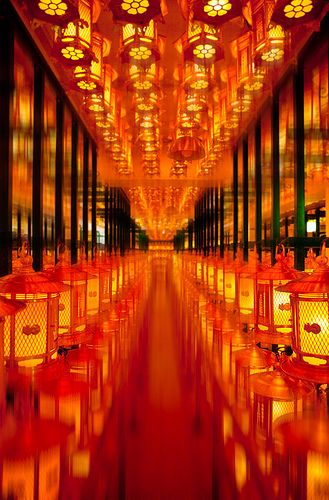
The origins of 輪廻 – Rinne are deeply rooted in ancient Eastern philosophies, particularly Buddhism, which came to Japan from China and Korea. In this belief, life is seen as a cycle of birth – death – rebirth. Karma in one life is the key factor to influence the circumstances of the next life. This nature of existence promotes a moral structure, encouraging people to live ethically, as their deeds will determine their future lives.
In Japanese culture, the idea of Rinne is woven into many aspects of daily life and spirituality. Obon and Higan are the time when families honor their ancestors, highlight the connection between the living and the deceased. Higan is a Japanese holiday that occurs during the seven day periods surrounding the Spring and Autumn equinoxes.
During Higan, people visit ancestral graves, clean them and offer prayers and incense. ‘Higan’ means ‘the other shore’, symbolize the transition to the afterlife and spiritual enlightenment.
During Obon festival, it is believed that the spirits of ancestors return to the world of the living, reinforcing the idea that life and death are not separate but part of a continuum.
The annual practice of visiting gravesites, offering food and flowers is actually a manifestation of respect for the dead, acknowledging their ongoing presence in the lives of their descendants. These customs foster a sense of continuity and remind people of their place within a larger cosmic cycle.
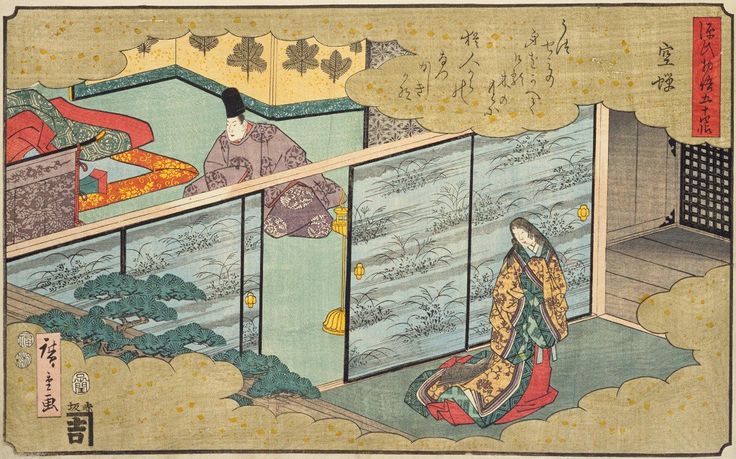
During history, the theme of Rinne is frequently explored in Japanese literature and art. Classic texts such as “The Tale of Genji” by Murasaki Shikibu, delve into notions of love, loss, and the transient nature of life. The fleeting moments of beauty and the inevitability of change resonate deeply with the understanding of the cycle of life.
In modern literature, Rinne has continued to inspire narratives that explore reincarnation. Manga and anime often depict characters who are reborn with memories of their past lives, leading to adventures that intertwine history and fantasy, such as in series like “InuYasha” and “Death Note.

Many contemporary artists also draw upon these themes to create works that challenge viewers to think about how impermanent existence is. In modern art, the concept of Rinne has evolved, influenced by globalization and modern philosophies. While traditional beliefs are still honored, younger generations may interpret these ideas differently, integrating them into various lifestyle choices and spiritual practices.
Meditation and spiritual practices that rooted in Buddhist teachings have gained their popularity, promoting a deeper awareness of one’s actions and their consequences. This has led to a resurgence of interest in the principles of karma and suwashi, further intertwining the past with the present.
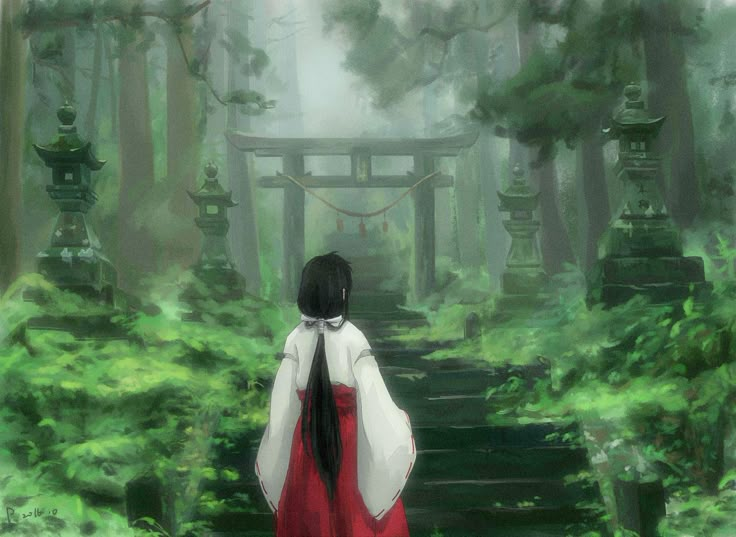
So far, the notion of 輪廻 – Rinne has been encapsulating the richness and complexity of Japanese culture. This concept invites us to reflect on the cycle of life and death, to point out the interconnections we share with others through time and space. By understanding the significance of Rinne – Reincarnation, we can appreciate the profound ways in which it shapes our world, influencing everything from our cultural practices to our artistic expressions. Through honoring ancestors and contemplating the ethics of our actions, the legacy of 輪廻 – Rinne remains an important part of the Japanese experience, reminding us of the delicate threads that bind us all together.
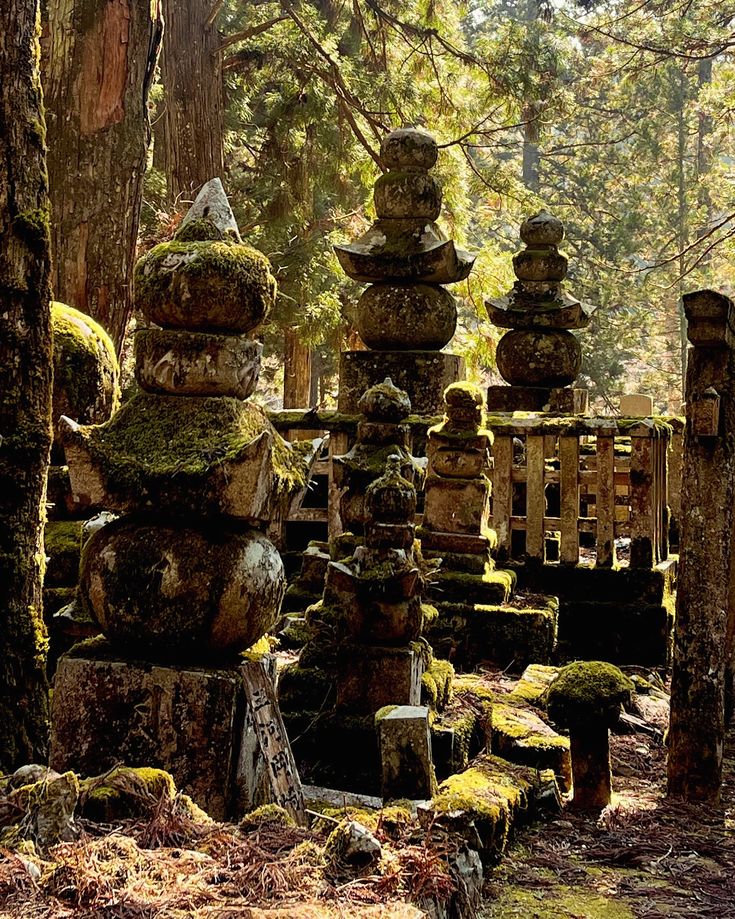
One significant shrine that embodies this concept and the related ideas of life – death – rebirth is the Koubou Daishi’s mausoleum at Kouyasan (高野山), also known as the “Kouyasan Okunoin.”
This sacred and powerful site is closely tied to the founder of Shingon Buddhism, Koubou Daishi (also known as Kuukai), and it has offered rich folklore and beliefs linked to the cycle of existence as we may know.
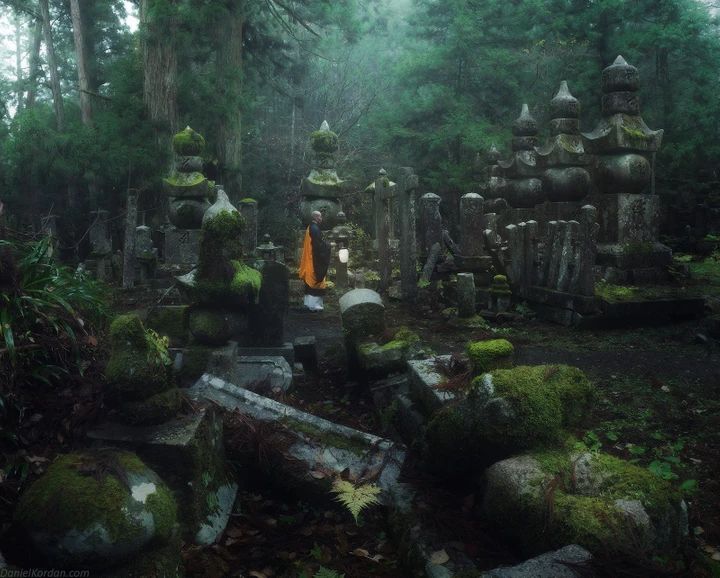
Kouyasan is located in the mountains of Wakayama Prefecture and serves as a pilgrimage site for Buddhists and spiritual practioners. It was established in the 9th century by Koubou Daishi, who is one of the best known and most beloved Buddhist saints in Japan. The Okunoin, where Koubou Daishi’s mausoleum lies, is Japan’s largest cemetery and is shrouded in a mystical atmosphere.
The Okunoin is a powerful symbol of the cycle of life and death in Japanese Buddhism. According to Shingon beliefs, Koubou Daishi is still in a deep meditation, waiting for the Miroku (Buddha of the future) to come and guide humanity. During rituals, practitioners pray to Koubou Daishi to assist them in breaking free from the cycle of Bonnou – Desires, enhancing their journey toward enlightenment. This belief emphasizes how one’s actions in life can easily impact the cycle of death and rebirth, supporting the concept of Rinne.
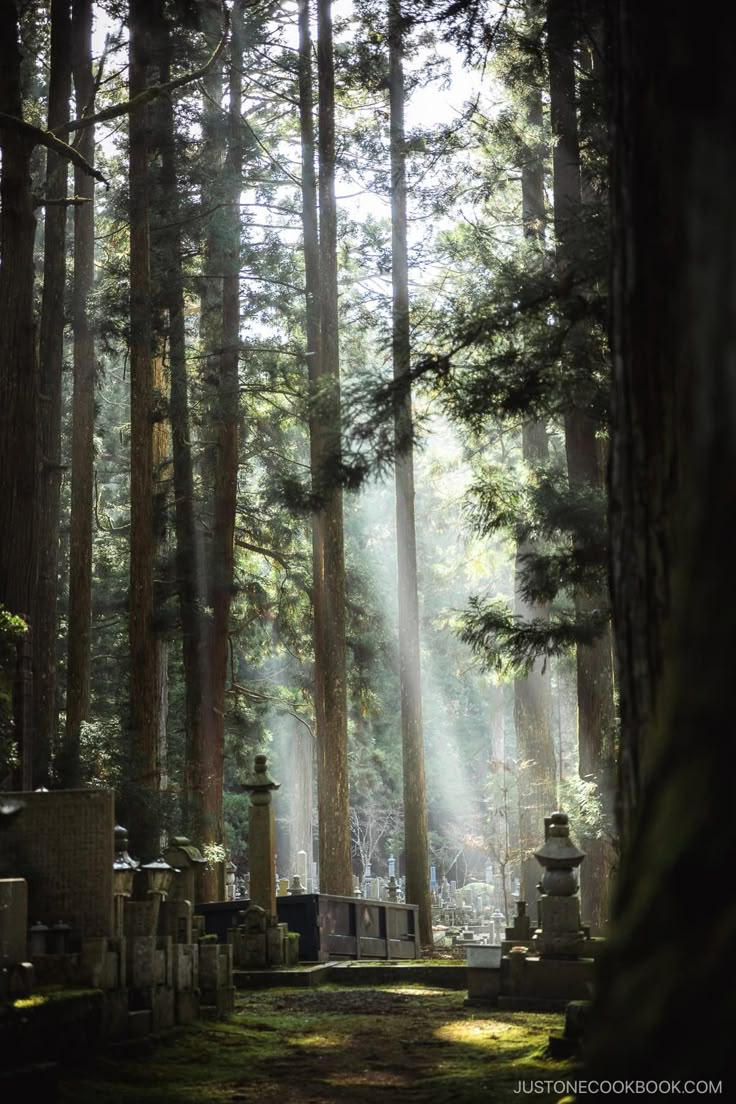
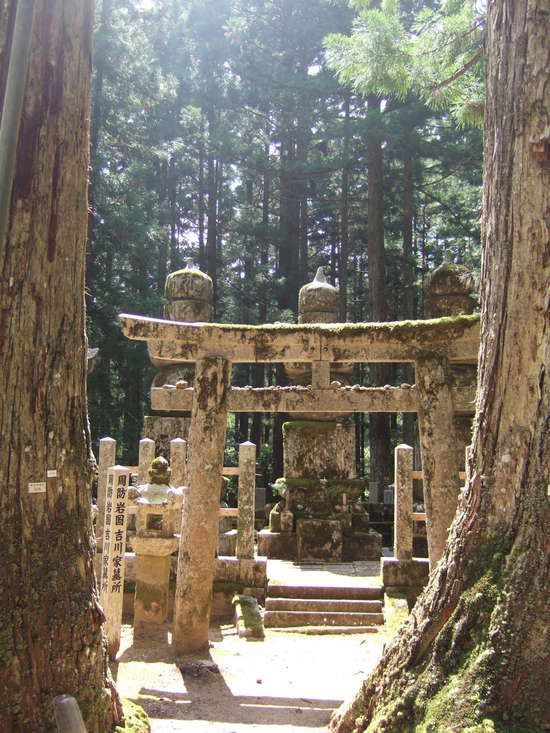
Pilgrims often visit Kouyasan to reflect on their lives and seek connection with not only Koubou Daishi but also their ancestors, their spiritual guides and even the Divinity. The act of walking through the serene forest that surrounded by ancient cedar trees, stone markers, and graves can encourages introspection, mindfulness, and an acknowledgment of the existence.
Many visitors engage in rituals, such as lighting incense or making offerings at the graves of their ancestors, further symbolizing the connection to the cycle of reincarnation. These offerings represent gratitude and respect, reinforcing the belief that the spirits of the deceased will continue to exist around us, intertwined with our lives.
The Kouyasan Okunoin shrine stands as a profound reflection of the concept of 輪廻 – Rinne in Japanese culture. These beliefs surrounding this sacred site encourage practitioners to contemplate the transient nature of life, the importance of ethical actions, and the ongoing connection between past – present – future. Visitors have the opportunity not just to honor those who came before them but also to consider their place in the vast, interconnected cycle of existence.
 Letters from Hio
Leave a comment