
Dear friends,
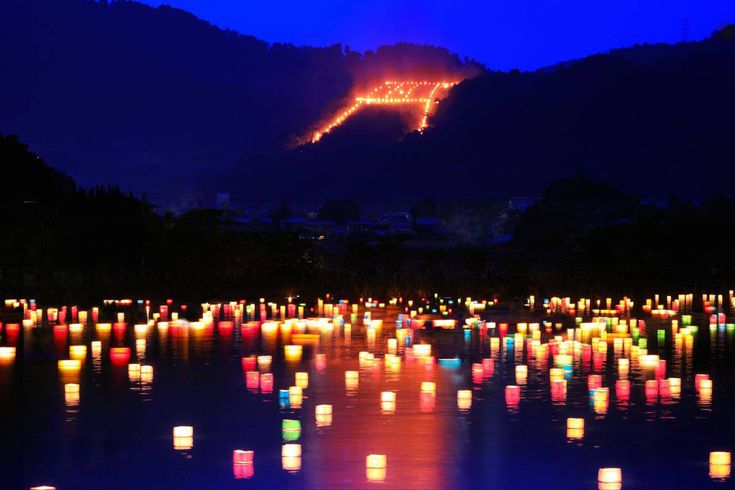
In my latest article, we have talked about Rinne and the meaning of reincarnation in Japanese culture. Today, do you want to talk about “あの世 – Ano Yo”, the after life in Japanese belief? Let’s do it with me.
The concept of あの世 (anoyo), or the “other world,” is a deeply ingrained part of Japanese culture and mythology, entwined with spiritual beliefs, folklore, and so far the acknowledg of life and death. To analyze this concept is also revealing many layers of ideology and cultural practices that have been reflecting Japan’s relationship with mortality and the afterlife.
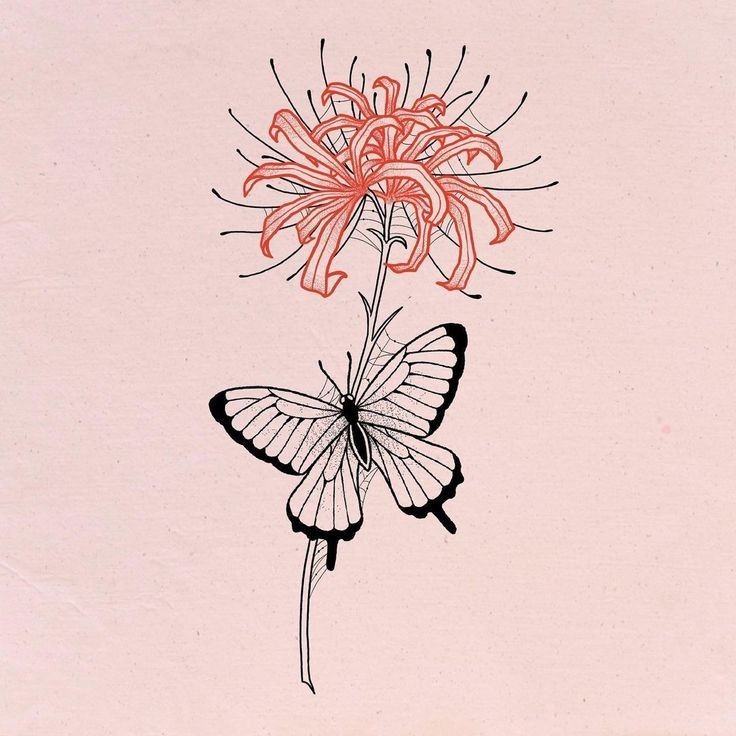
In Japanese culture, Death is not seen as a definitive end or negativity, but as a transition from one state of existence to another. This perspective is influenced by Buddhism, which teaches us many beautiful concepts like reincarnation and the cyclical nature of life, or acceptance without resistance. The belief in “Ano yo” provides comfort and context for the grieving, pointing out that life still continues beyond physical death.
The cultural significance of “Ano yo” manifests in many traditional practices like Higan and Obon. This kind of practices show us a sense of connection between the living and the dead, reconnecting bonds between us and our ancestors.
Japan’s folklore and mythology hold a well amount of stories about spirits, deities, and supernatural beings that inhabit this concept. The presence of yokai and deities indicates a complex understanding of the afterlife, where both spirits and gods are active participants in the lives of the living. By acknowledging these entities, Japanese people show their respect for the unknown, emphasizing the belief that the veil between the living world and the other world is penetrable.
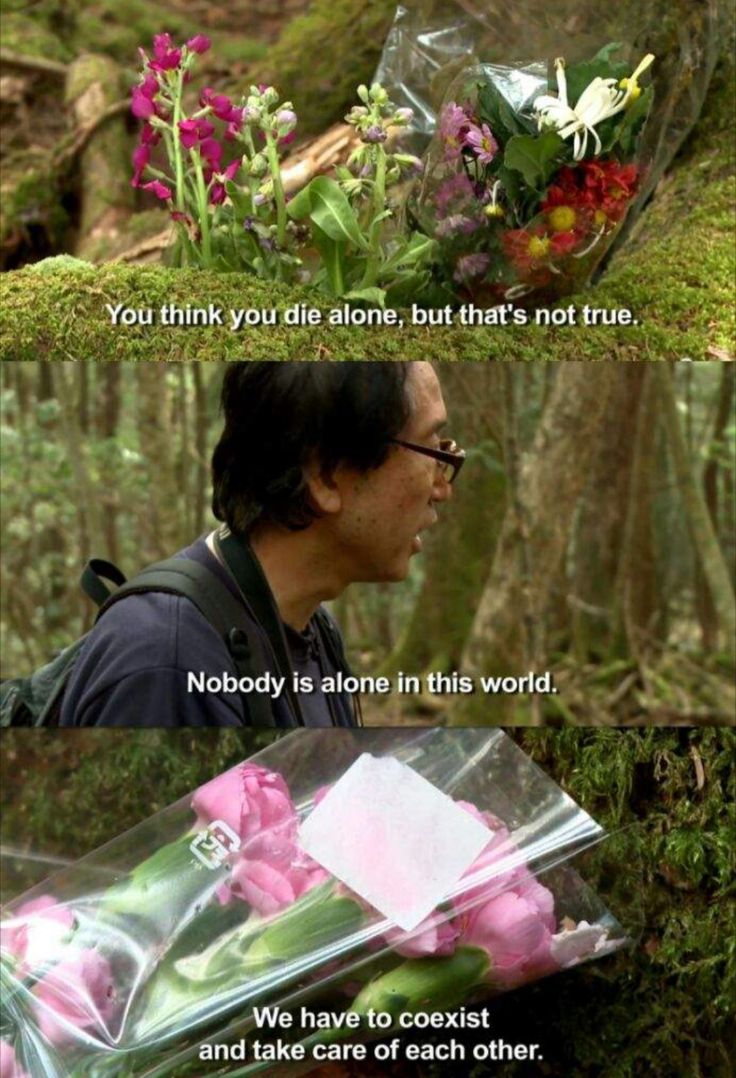
Many temples and shrines dedicated to various deities that show Japan’s multifaceted point of views about the afterlife. Locations like Kōya-san, Fushimi Inari Taisha embody substantial spiritual significance. They are serving as places of worship, meditation, and even reflection. These practices forge a direct link between our world and the other world, making this concept into daily practice and community consciousness. These places are called as power spots and they can encourage visitors to contemplate their existence and the continuum of life, embodying the connection between the earthly and the divine.
The concept of “Ano Yo” have given me so many questions about the purpose of life and the true meaning of existence. In philosophi, it invites us to join an exploration of identities and values, urging many of us to consider how we want to be remembered. Our actions affect both our lives and the lives of others around us, in our community or so far in this world. This reflection and reaction on morality is crucial some ways, but it helps to foster a rich cultural narrative that permeates various aspects of Japanese society and culture.
The cycle of life and death, through the lens of the other world, enhances the appreciation of transient beauty, as mirrored in Japanese aesthetics. This emphasis on impermanence encourages individuals to find meaning in fleeting moments, which adds depth to their engagement with both the living world and the spiritual one.
The idea of “Ano Yo” resonates deeply with individuals as it synchronizes with the universal human experience of loss and mourning. “Death not as an end, but as a continuation”, this concept provides solace in grief. For me, visiting spiritual sites associated with “Ano Yo” allows a space for my personal connections and healing. Shared beliefs and rituals in honoring the departed foster a sense of belonging and cultural identity, reaffirming social bonds and heritage.
This concept emphasizes the continuity of life beyond death, showcases a profound respect for ancestral spirits, and encourages thoughtful reflection on existence and legacy, which has been deeply rooted in Japanese culture and history. “Ano Yo” illustrates not only Japan’s unique relationship with spirituality and folklore, but also universal themes of love, loss, and the human quest for meaning in the face of mortality.
Places and power spots where you can experience the concept of “Ano Yo”:

- Kōya-san (高野山):
A sacred mountain located in Wakayama Prefecture, is the heart of Shingon Buddhism and is considered a gateway to the afterlife. The sacred mountain is home to over 100 temples, including the famous Kongoubu-ji, where the teachings of the afterlife and rebirth are deeply rooted. The vast Okunoin Cemetery, which houses the mausoleum of Koubou Daishi (the founder of Shingon Buddhism), is a serene place where visitors can pay their respects and reflect on the transient nature of life. Walking through the cemetery, surrounded by ancient trees and countless tombstones, deepens our understanding of life and what lies beyond.
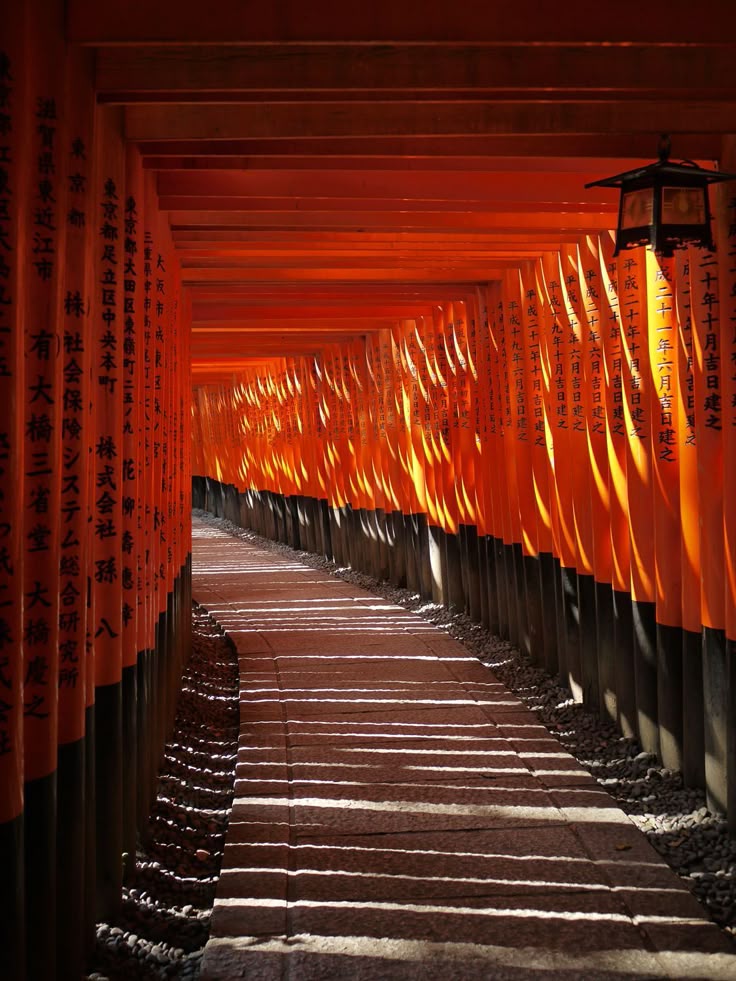
2. Fushimi Inari Taisha (伏見稲荷大社):
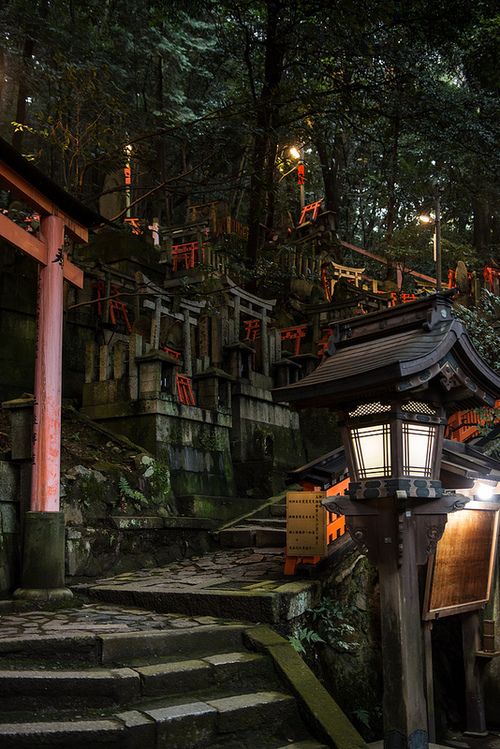
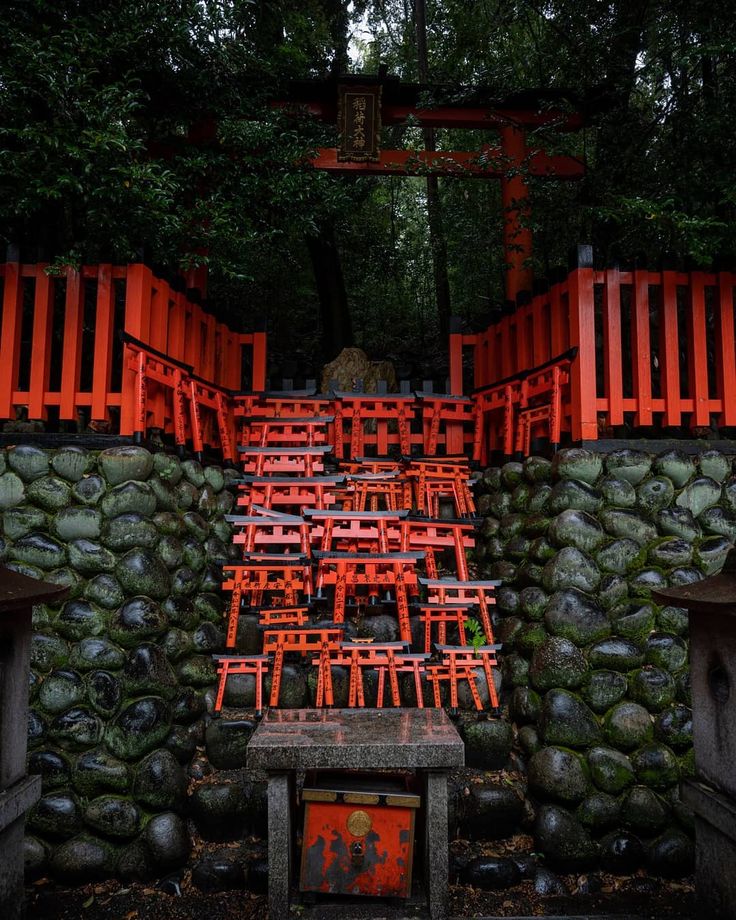
This place in Kyoto is the gateway to the Divine. Fushimi Inari Taisha in Kyoto, known for its thousands of vermillion torii gates, is dedicated to Inari, the kami of rice, agriculture, and prosperity. The mountain itself, Inari-san, is often considered a spiritual abode, where the boundary between the living and the afterlife blurs. Pilgrims ascend the trails adorned with torii gates, symbolizing the journey to the divine. As visitors climb, they can ponder the connections between this world and “Ano Yo”, reflecting on their personal aspirations and the legacy they wish to leave behind.
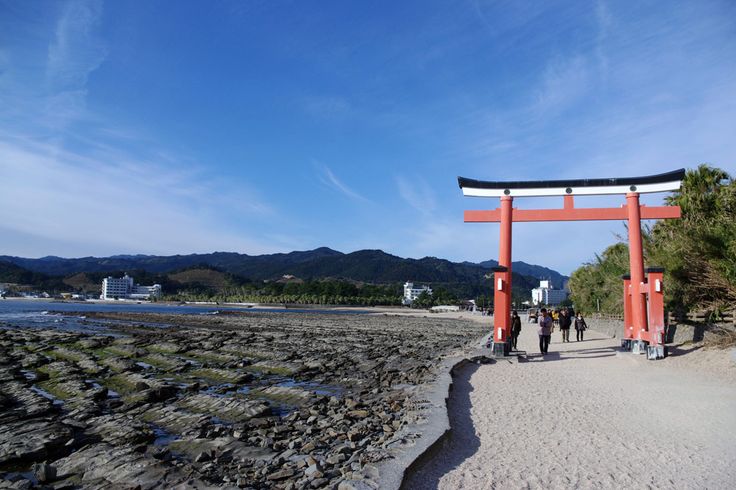
3. Aoshima Island (青島):
The island is famous and being known as “Cat Island”. Aoshima is more than just a beautiful and charming getaway, it is steeped in legends related to the afterlife. Aoshima is often associated with tales of spirits and the deceased, particularly the folklore surrounding the “Aoshima Tsurugi” – swords traditionally used to guide souls. Visitors are drawn to the island’s unique ambiance and the feeling of being in a liminal space between life and death, and also the cats. While the beautiful beaches and friendly cats offer a light-hearted escape, the island echoes the spiritual elements of “Ano Yo”, inviting reflection on mortality and existence beyond.
 Letters from Hio
Leave a comment