
Dear friends,
Lately I’ve started my 50 days challenge: I will write 50 articles about 50 Japanese concepts that exist in both spirituality and religion. As you may know, today is my day 3.
Let’s talk about “seiren” (清廉), or integrity.
But before that, let me break down this kanji.
Dear friends,
Lately I’ve started my 50 days challenge: I will write 50 articles about 50 Japanese concepts that exist in both spirituality and religion. As you may know, today is my day 3.
Let’s talk about “seiren” (清廉), or integrity.
But before that, let me break down this kanji.
清 – Sei means purity and 廉 – Ren means reason and honest in some cases.
In this article, let’s explore how Japanese culture has adapted the concept of “seiren” (清廉).

How Japanese Culture Embraces Purity and Integrity
In the rich tapestry of Japanese culture, there are concepts that can resonate deeply to shape the nation’s values, aesthetics, and way of life. I think of Seiren (清廉) as a virtue and also as a standard. While a direct English translation might be “integrity” or “purity,” Seiren embraces a broader meaning, suggesting an unblemished character, moral uprightness, and an absence of greed, corruption or individuality. It’s a simple but such powerful ideal that has profoundly influenced how Japanese society functions, from its ancient traditions to its modern-day ethics.
Let’s delve Seiren into a few key areas:
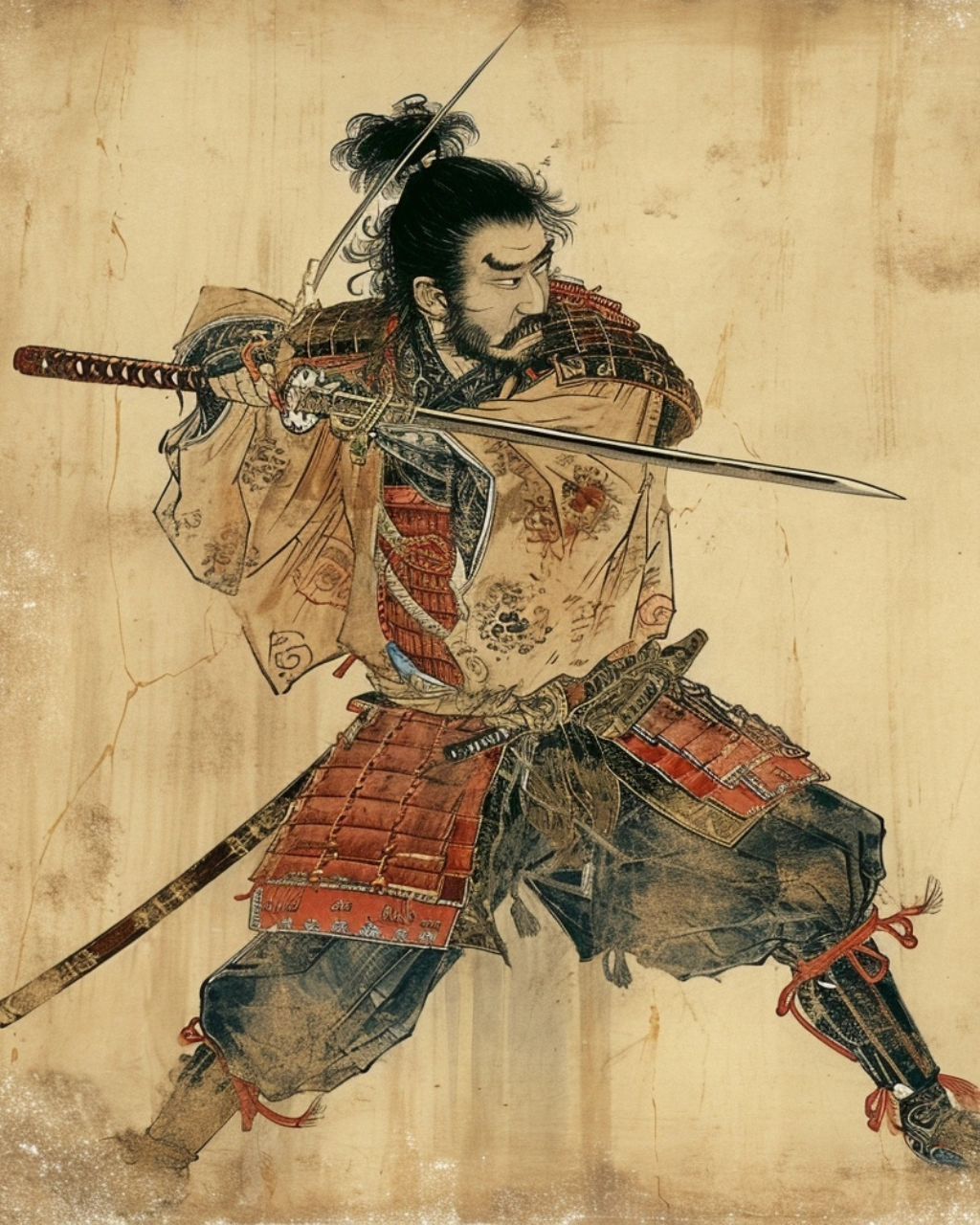
1. Bushido and Unwavering Integrity:
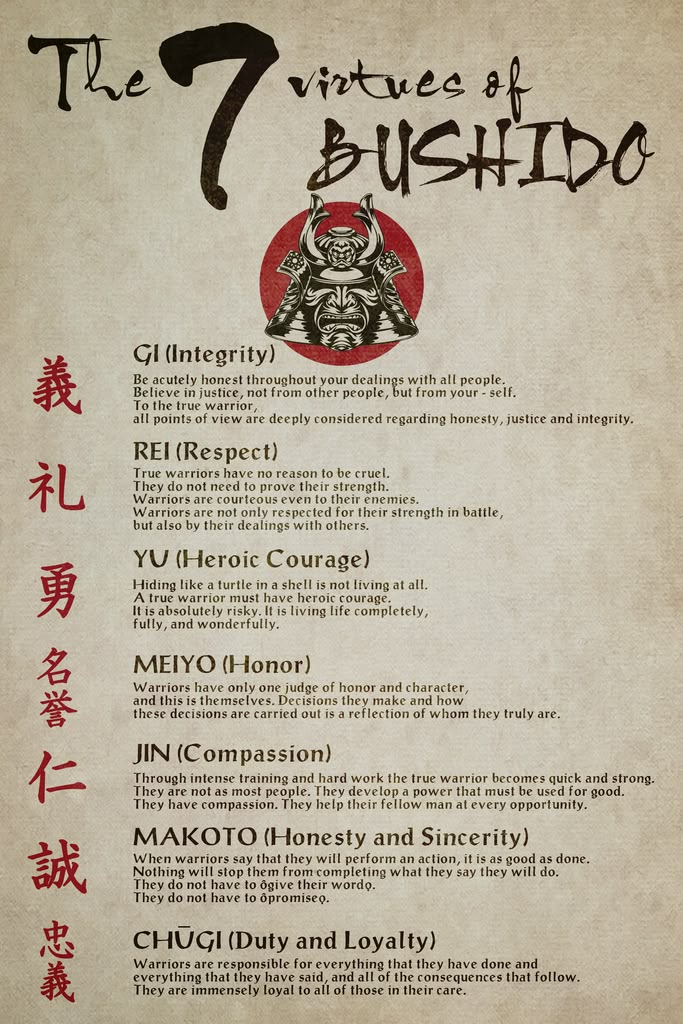
This must be one of the most iconic examples of Seiren’s influence: Bushido (武士道), the “way of the warrior.” For samurai, Seiren was a fundamental pillar of their existence. Seiren was manifested as:
– Honesty and Sincerity (誠実 – Seijitsu): A samurai’s word was their bond. Deception and trickery were antithetical to their code.
– Selflessness and Duty (義理 – Giri): Placing the needs of their lord and community above personal gain was paramount. Corruption or betrayal for profit was unthinkable.
– Courage and Resolve (勇気 – Yūki): Upholding one’s principles, even in the face of death, demonstrated an unwavering commitment to integrity.
Even in defeat, a samurai who maintained their Seiren was respected. The stories of loyal retainers and honorable warriors stand as enduring testaments to this ideal.
In a Samurai society, honesty and integrity were crucial for building trust within the clan and earning respect from both allies and opponents. A samurai lacking Seiren would be considered as unreliable and dishonorable.
Seiren represents the ideal of a samurai who is not only skilled in martial arts but also possesses an unstained character, guided by truth and uprightness.
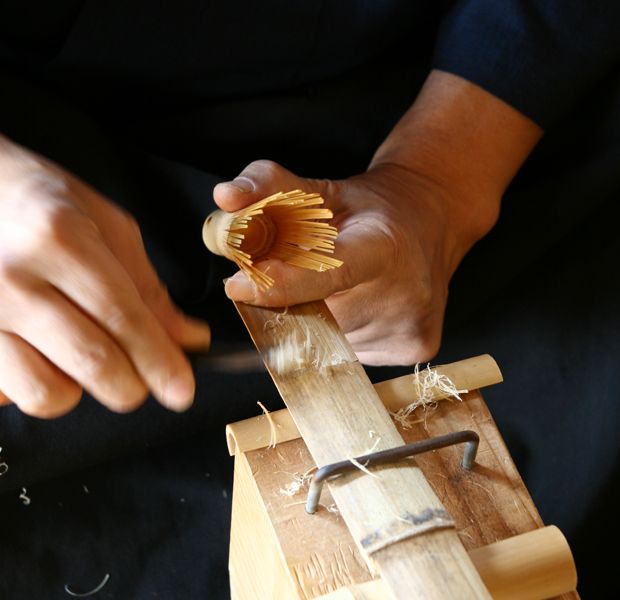
2. Craftsmanship and the Pursuit of Perfection:
The concept of Seiren also deeply permeates into the world of Japanese craftsmanship. The concept of Shokunin Damashii (職人魂), or “artisan’s spirit,” embodies a dedication to one’s craft that goes beyond mere technical skill. The definition of Shokunin Damashii is all about:
– Attention to details: Every single step of the process is undertaken with care and precision. It’s not for profit, but for the inherent purity of the work itself.
– Honesty in materials and techniques: Using the best materials and employing authentic techniques reflects an integrity towards the craft and the customer.
– Continuous improvement: The pursuit of perfection is an endless journey, driven by a deep respect for the craft and a desire to create something truly pure and excellent.

The spirit of Seiren guides the hands of Japanese artisans, resulting in objects that are not only functional but also imbued with a sense of moral rectitude. True Seiren in craftmanship often involves a degree of humility. The artists focus on the object itself and the perfection of the craft, rather than personal fame or recognition. The object speak for itself.

Here are some places and shrines in Japan that strongly embody the concept of Seiren:
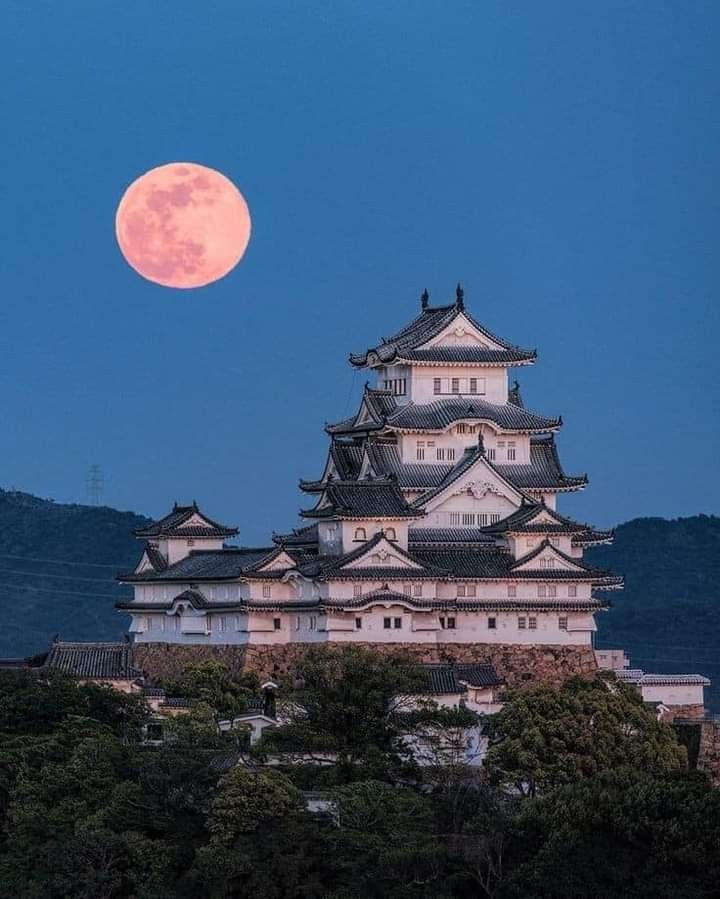
Himeji castle (姫路城, Himeji-jō), Hyogo Prefecture: Himeji Castle with its unblemished white walls and strategic purity, symbolize the samurai ideal. The clean lines, ordered layout, and careful preservation reflect a commitment to form and function that aligns with the “unblemished” aspect of Seiren.
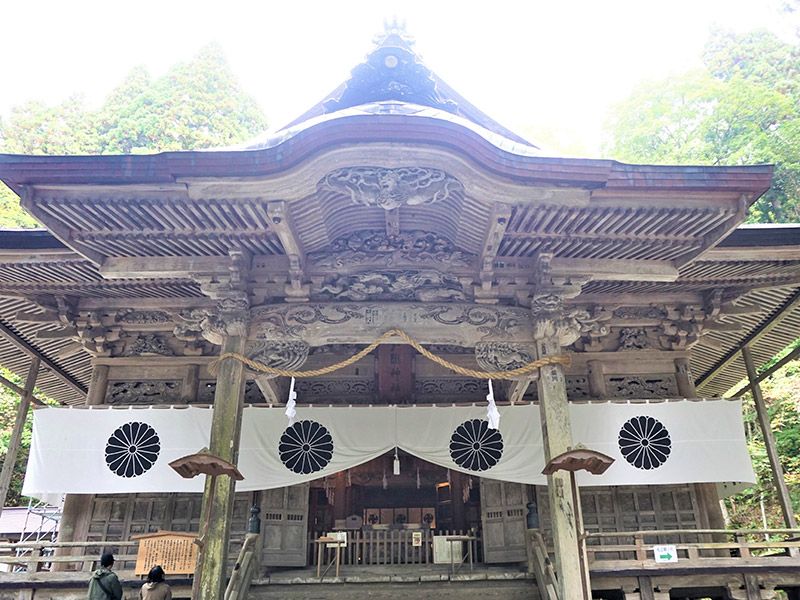
Togakushi Shrines (戸隠神社), Nagano Prefecture:
Nestled deep in the mountains of Nagano, the Togakushi Shrines are ancient and mystical. They are known for their profound connection to nature and a sense of ancient, untouched spiritual power. The pilgrimage route connecting the five shrines often involves walking through towering cedar forests, which fosters a sense of purification and a return to a more elemental, pure state of being. The legend of Amaterasu hiding in the Heavenly Rock Cave (Amano-Iwato) is linked to this area, signifying a return of light and purity to the world. This is a place where the ancient purity of nature is setting and creating the sense of spiritual journey that the pilgrimage offers.
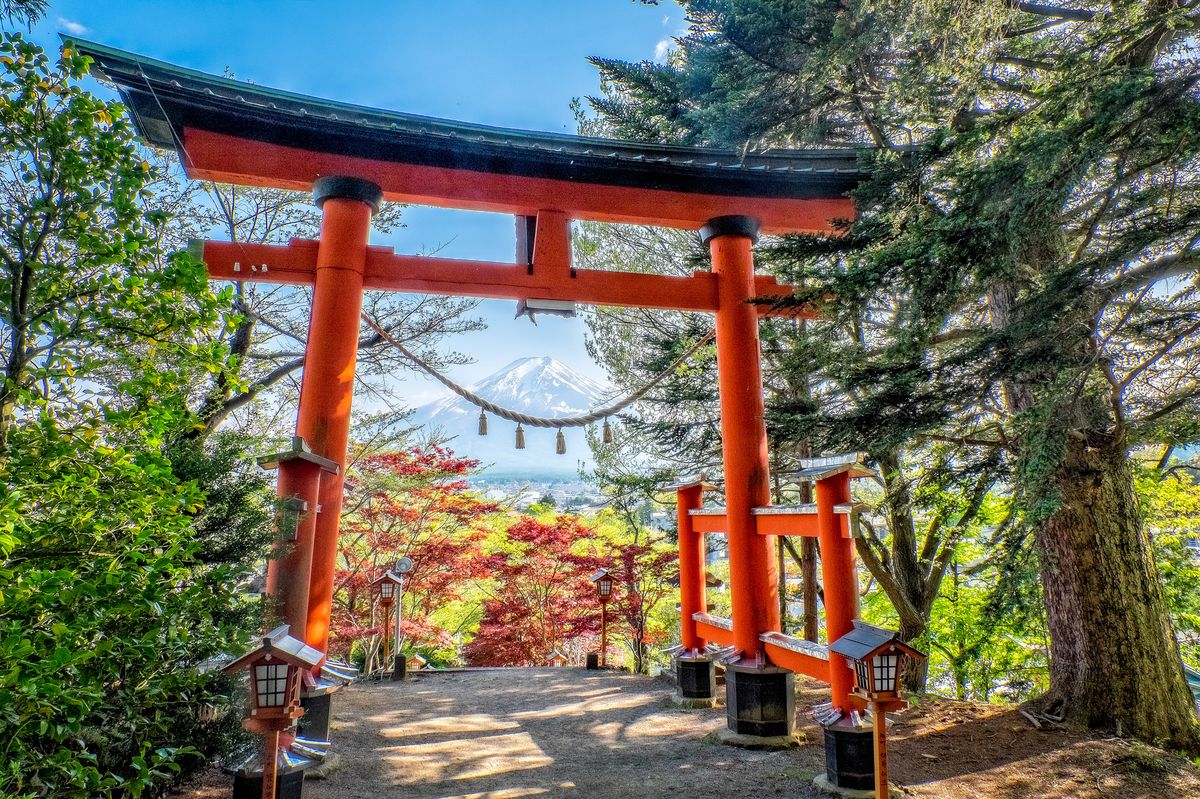
Mount Fuji and Sengen Shrines (富士山と浅間神社):
Mount Fuji itself is a sacred peak, revered for its majestic beauty and considered a dwelling place of kami. Pilgrimages to Fuji were acts of purification and spiritual ascent. The numerous Sengen Shrines (浅間神社) found around its base and on its slopes are dedicated to Konohanasakuya-hime, the goddess associated with Mount Fuji, who is also a deity of purity and protection. The act of climbing Fuji is often seen as a spiritual journey, a cleansing of the mind and body.
 Letters from Hio
Leave a comment