

Dear friends,
To analyze the concept of Mono no Aware, I have to take a look back to review my 1st year in Japan. There are quiet, almost fragile moments that slowly seeping through my thoughts. Those feelings have made me come to understand もののあはれ.
The friendship that ended too fast.
The teacher I no longer have a change to meet.
The man I thought I can love all my life.
It’s a concept that has captured my heart and mind, a bittersweet recognition of the transient nature of everything around me, the profound beauty that exists in every impermanent beings. Mono no Aware isn’t about sadness in loss, but a gentle appreciative melancholy that acknowledges the ephemeral dance of life. For me, it resonates with what is beautiful is often made more precious precisely because it will fade.

Mono no Aware is a profound sensibility and it isn’t just an ancient idea. It’s a living part of Japanese spirit, influencing everything from the poetry of a haiku to seasonality like food and traditions. It’s the wistful sigh as the last cherry blossom falls, knowing that this breathtaking spectacle, so vibrant just days ago, is now complete, its fleeting beauty forever etched in my memory. In this quiet understanding, this embrace of the ebb and flow, that has drawn me so deeply into Japan’s cultural embrace.
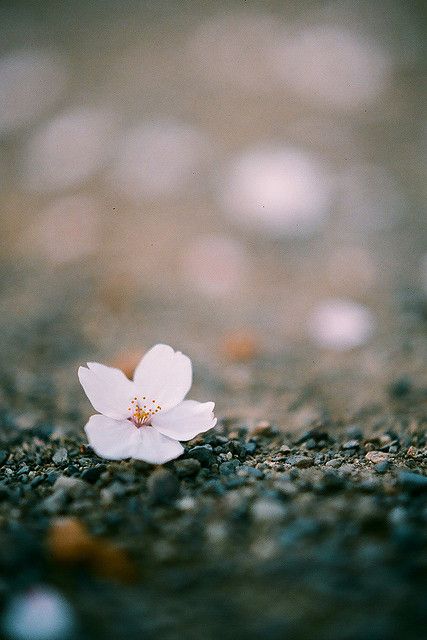
Mono no Aware can touch you anywhere, anytime. In the way sunlight filters through leaves, or the changing colors of autumn leaves, the short life of fireflies or the fading light of summer firework – certain places in Japan amplify this feeling for me. They become canvases where the transient beauty of the world is painted in the most vivid hues, inviting a contemplative stillness that I cherish.
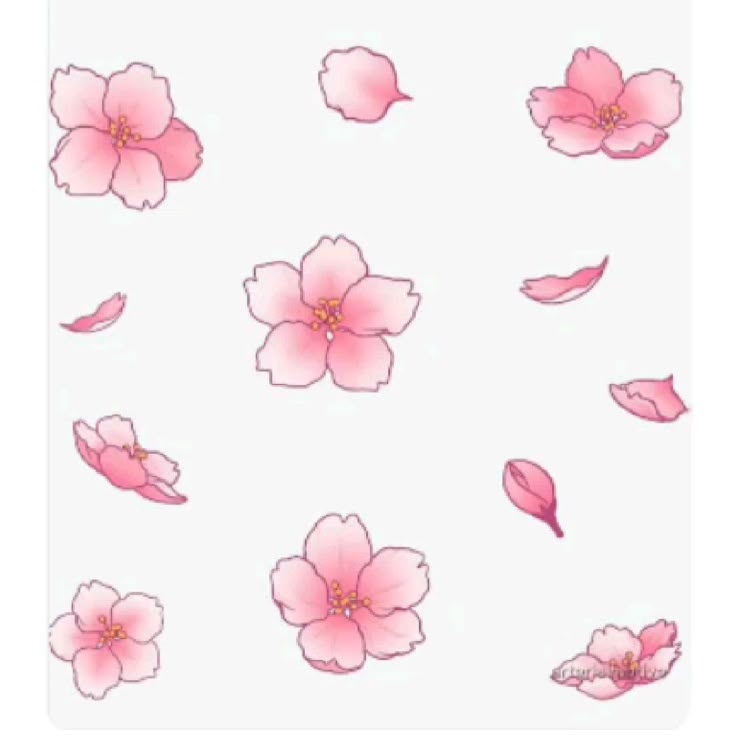
Perhaps nothing embodies Mono no Aware more powerfully for me than Hanami – the ritual of cherry blossom viewing. When spring comes, the whole country of Japan transforms into a delicate wonderland of pink and white,, or even red. It’s undeniably beautiful, but we all know that these delicate blossoms will cascade to the ground within a mere week or two, and that fills me with a unique, bittersweet joy. I join crowds at places like Ueno Park and Roppongi hill, or wander the serene Philosopher’s’ Path in Kyoto not just to see the beauty, but to consciously participate in its fleeting existence. Each falling petal feels like a gentle reminder to savor every exquisite, ephemeral moment.

The Japanese gardens aren’t just spaces, they are living poems designed to evoke natural landscapes and to be appreciated in their constant state of flux. Beyond the grand temples, I’ve found that every Nihon Teien is a profound lesson in mono no aware. The vibrant greens of summer, the fiery reds and golds of autumn, the stark, serene beauty of winter — each season unveils a different facet of the garden’s soul. Places like Shinjuku Gyoen and Koishikawa Korakuen in Tokyo and Daigoji in Kyoto offer a profound sense of continuity and change, a comforting rhythm that mirrors life itself. I find myself returning to these gardens, always discovering new details, new fleeting moments of beauty.
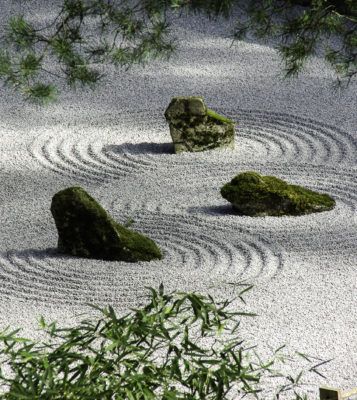
Kyoto is a city, for me, a timeless sanctuary where Mono no Aware breathes. Walking through the moss-covered grounds of Saiho-ji or along the Philosopher’s path, I feel an overwhelming sense of peace mixed with the gentle erosion of time. Ginkakuji and Nanzenji near by this road can show you how Mono no Aware truly means. At Ginkakuji, it’s not just the elegant structure but the way the surrounding garden subtly shifts with each season that reminds me of life’s continuous, beautiful transformation. These places don’t just exist; they evolve, whispering stories of centuries past and futures yet to come.
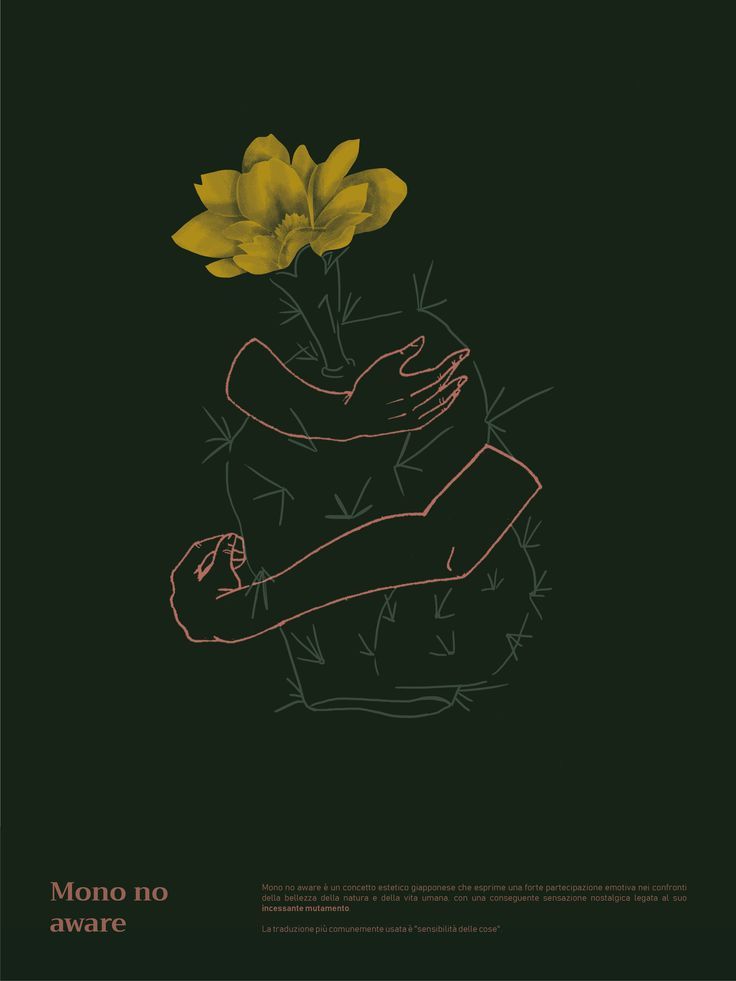
For me, Mono no Aware is never an academic concept. It’s a way of experiencing the world, a lens through which I’ve learned to appreciate the preciousness of each passing moment. It’s more like the concept of Carpe Diem – the enjoyment without concern for the future. It encourages me to pause, to observe with greater sensitivity, and to find profound beauty in the temporary, the subtle, and the transient. By acknowledging that all things are part of this beautiful, inevitable cycle of change, I find a deeper sense of gratitude for the present. It’s a feeling that resonates deeply, reminding me to savor every fleeting glimpse of beauty that Japan and life generously offers.
How does it feel to you now?
 Letters from Hio
Leave a comment