
Dear friends,
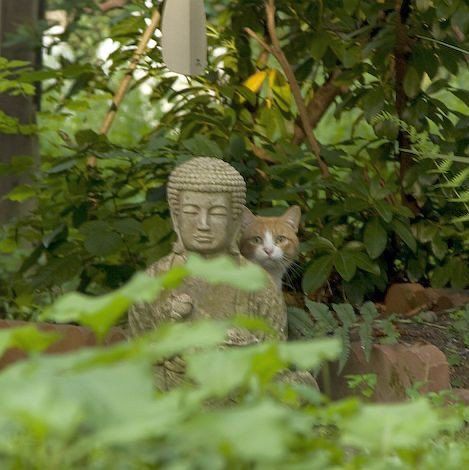
If my cats Mikan and Azuki are still alive, I bet they think I’m crazy. Because…how can someone be so dumb and still can try to be cool at the same time? They must think I’m nuts. Am I?
But today, let’s talk about my path to enlightenment. First, you need to listen to Krishna Das while reading this. How can I say? Because I am listening to “Om Namah Shivaya”.
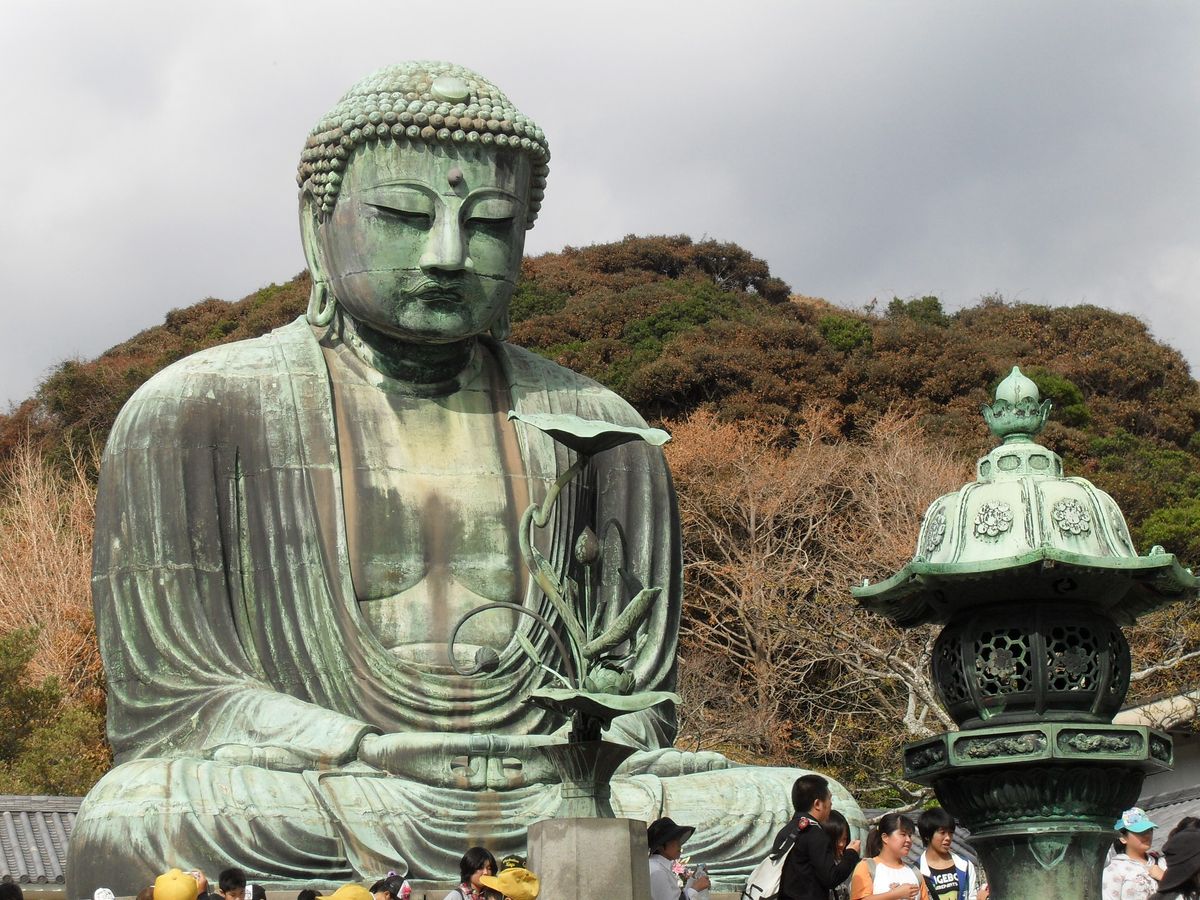
So, “Butsu” (仏), I bet you’ve seen it everywhere in Japan: from the giant statue at Kotokuin in Kamakura, to those tiny altars we bow to everytime we visit a pagoda. “仏” is usually translated as “Buddha” but honestly, it’s more about a whole vibe and less about one super-enlightened God. Think of it as Japan’s spiritual signal, constantly representing peace, impermanence, and maybe that’s it? But so far it’s shaped everything here, from art, philosophy to daily practices, besides Shinto practices. But why everyone bows so much, and even my own, shall we say, unconventional spiritual awakening.
We existed for ages, just existed. Like our existences are obviouly until we started to ask these 5W: Why What When Where Who. Butsu might be just scenery. Those Great Buddha statues were impressive, but since my first spiritual awakening, I never stop asking “Why my people follow Buddhism and why there are so much Buddha statues everywhere?” Temples were cool for a quiet stroll, but my mind was usually buzzing about if I should skip breakfast and start my diet to be more beautiful. I was living life on autopilot, and let me tell you, the scenery on autopilot is unclear.
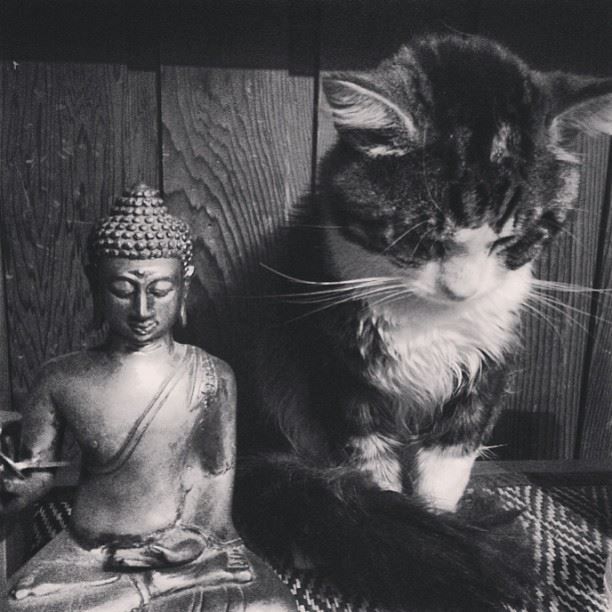
Then, 17 years ago, my internal “check engine” light flickered on. It wasn’t a sudden flash of enlightenment; it’s more like a slow, agonizing groan, much like my back and body aches. After that accident that almost sent me to death, I started feeling this weird itch – not actual itch, just a vague sense that there had to be more to life than just “a Monday stucks in an endless February” and as if I was trying to find my matching socks. I’d suddenly find myself staring blankly at the sky, wondering, “Is this it? Am I just going to stare the sky till the day I die?”
My parents sent me to a meditation course in the mountain. This is when I started noticing Butsu. Seriously, it was like someone saw through me and my soul with a blank stare, from the Buddha statue in the mainhall of that pagoda. I was drawn to quiet places, like my nearby West Lake in Hanoi, where the water judged me silently. I learned how to meditate, which mostly involved me arguing with my own brain about how can I finish that much homeworks. “Is that a truly enlightened thought?” I asked myself.
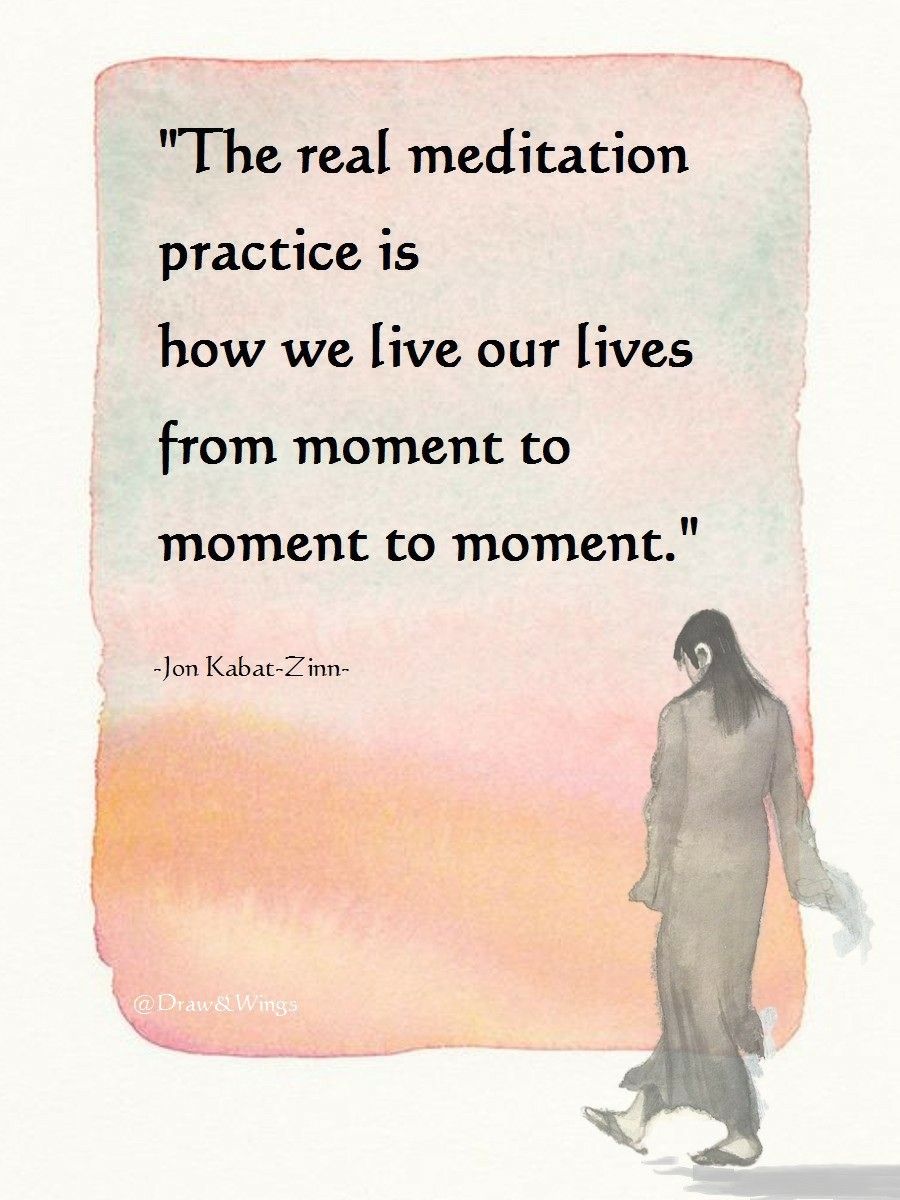
But slowly, then slowly, something shifted. I started getting these tiny flashes of clarity. It was not something that dramatic, just a little “Woa” moments. Like realizing that my obsession and hunger for food wasn’t actually bringing me lasting joy (gasp!). So as my hunger for love. This is where the Buddhist idea of impermanence (or “Mujo” if you want to sound fancy) really hit me.
Everything changes.
My mood changes.
My taste changes.
Even that giant Buddha statue will change, for sure, in a trillion years. Everything will turn into the gray of my day-old tea. Trying to cling to anything – even good or bad – is like trying to hold onto nothing. The Butsu statues, with their eternally chill expressions, seemed to be whispering, “Calm, little Miss. It’s all fleeting. Even your existential dread.” And honestly, that was surprisingly relaxing.
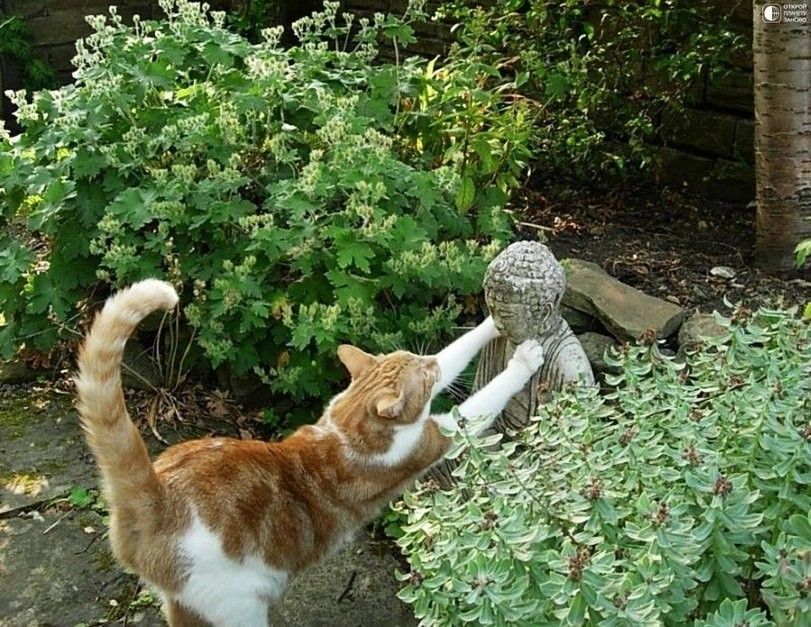
Then there was Karuna (compassion). Before, I was pretty good at judging myself. I’ve learned that from my parents. My inner critic definitely had a spotlight. As my heart started to crack open a little (it felt less like a spiritual awakening and more like my emotional plumbing finally giving way), I found myself being more like a human being? Nicer, more reasonable, more patience to others but also to myself. That bossy meany voice in my head started sounding less like Severus Snape and more like a slightly Professor McGonagall.
This shift was massive, to me. It’s like realizing we’re all connected in every way possible, slightly dysfunctional family on a group chat. The idea of interconnectedness means that everything affects everything else. My grumpy mood at breakfast can totally ruin my parents’s day (I’m sorry!). This recognition, championed by the Butsu for millennia, made me want to be less of a jerk, because what goes around comes around and Karma is not a cat, Karma is a bitch. It’s spiritual karma, baby!
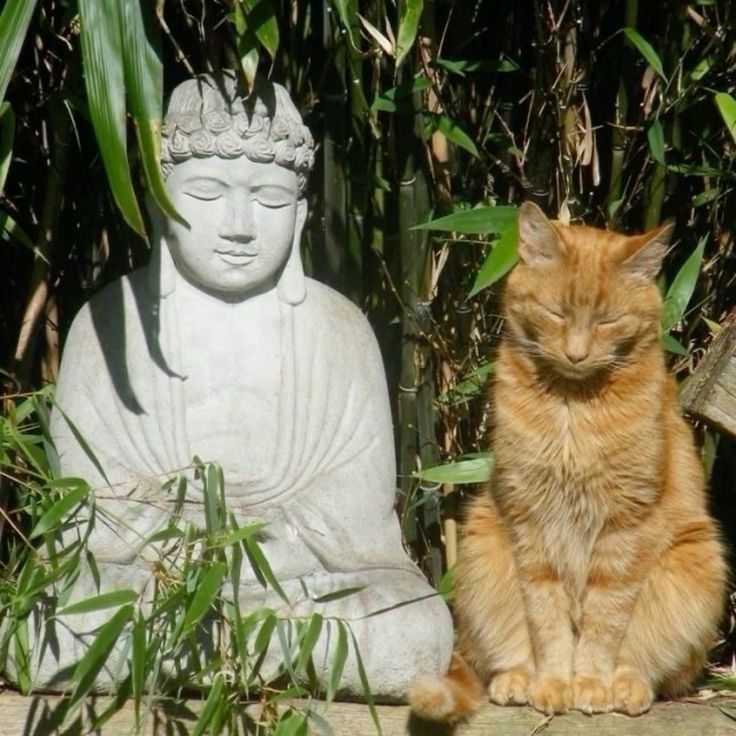
My spiritual awakening is definitely still a work in progress. It might be a lifelong journey. Some days I’m a zen master and other days I’m a bitch. But the Butsu, in all its forms across Japan, has been like a wonderfully patient, silent mentor. It’s taught me that it’s okay for things to change, that being kind to yourself is a superpower, and that we’re all in this crazy, beautiful, often hilarious human experience together. And if my cats in heaven still think their mama is a bit odd for sitting cross-legged and humming “Ohm”, well, that’s just part of the journey too. But mama loves you, Mikan and Azuki! Unconditionaly!
Do you want to share any more of your experiences, or perhaps dive into a specific aspect of Butsu in Japanese culture that interests you?
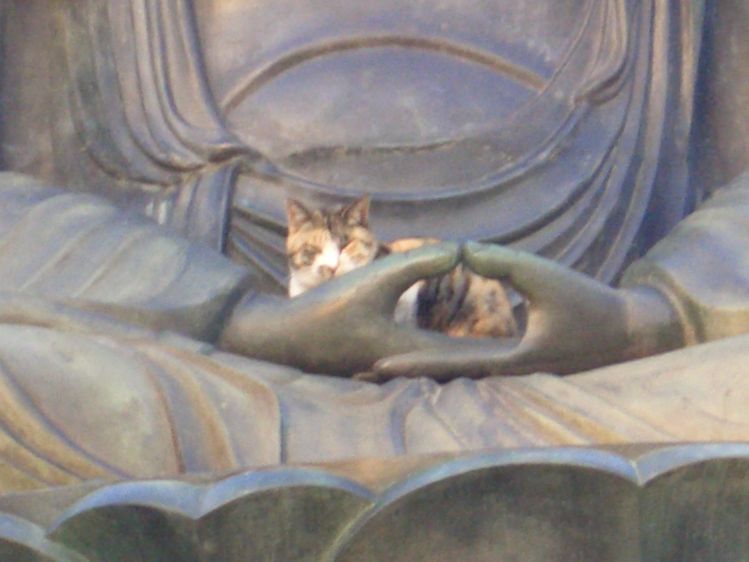
 Letters from Hio
Leave a comment