
Dear friends,
How is life?
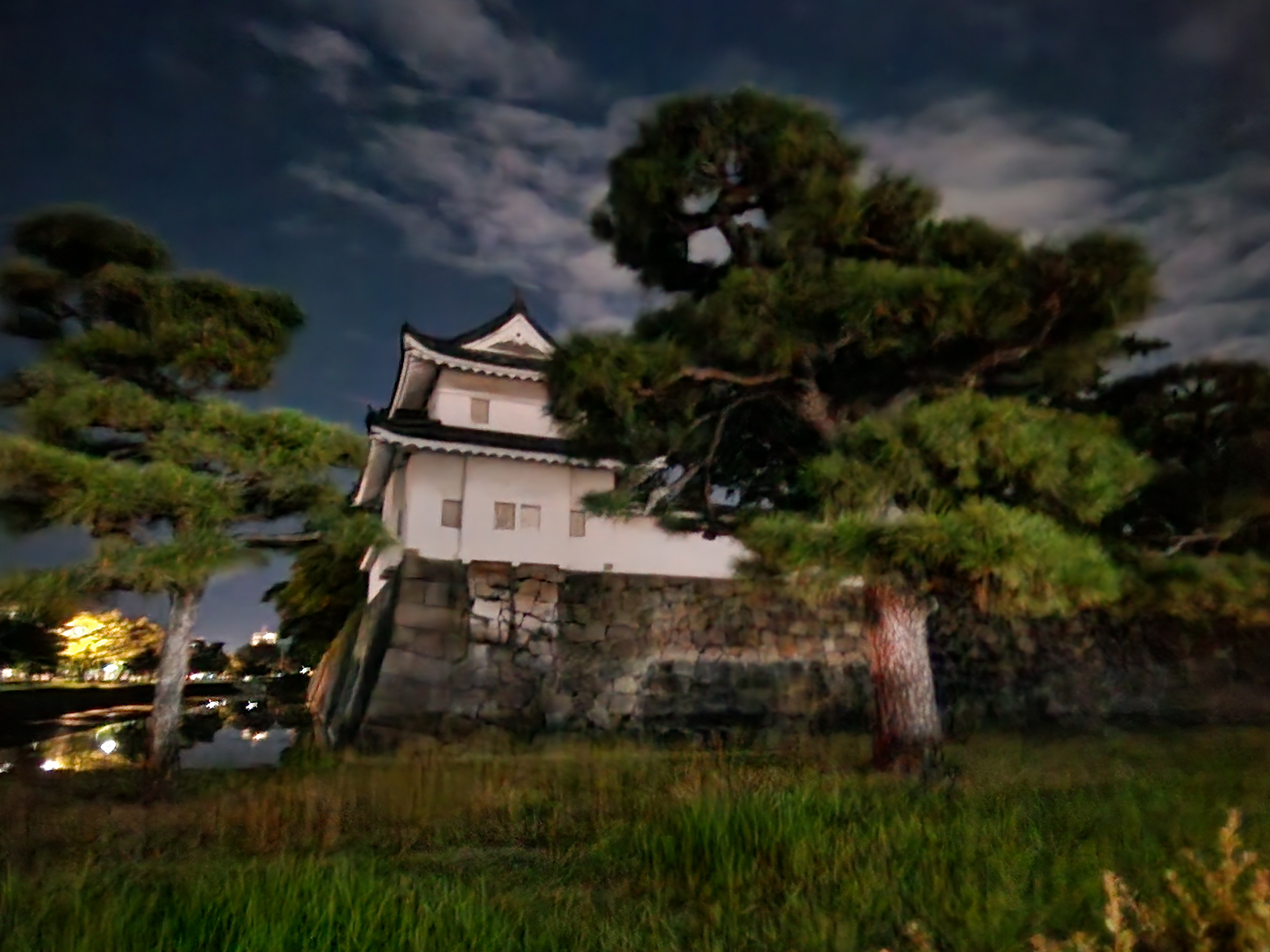
In Japanese cultural aesthetics, sabi 寂 is the quiet beauty found in the aged, the old, the faded and the solitary. Sabi carries a hint of sadness and serenity—the awareness of things passing. But it’s definitely a philosophy of profound relief: the comfort found in accepting that inevitable decay. My recent trip to Kyoto was unexpectedly a journey to trace this moving from tragic historical loss to spiritual acceptance.
Day 1: Mibudera – The ache of the fallen swords
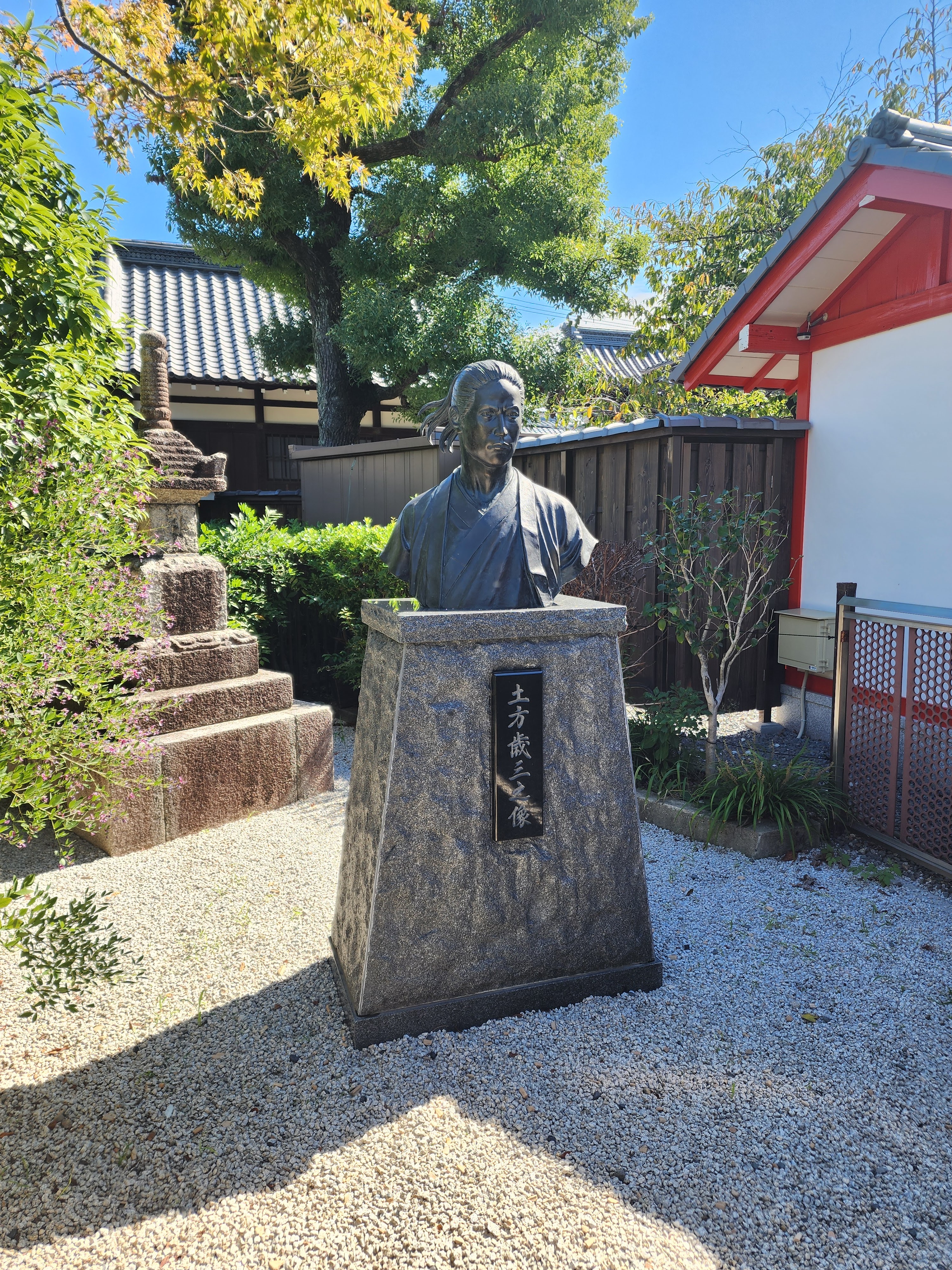
My journey began in the Mibu district, the training ground of the legendary Shinsengumi. I have been a huge fan of the manga Kaze Hikaru from a very young age and to follow the path of Shinsengumi has always been my wildest dream. Standing at Mibu-dera, where the young, brilliant swordsman Okita Souji and commander Kondo Isami once trained, I felt the raw, poignant side of sabi.
Visiting Mibu-dera wasn’t crushing. It’s always on top of my “To do list” everytime I go to Kyoto. The presence of their legacy, their names remembered centuries later creates a sense of historical relief. Their fleeting lives were significant enough to anchor a location forever. The pain of their passing is stabilized by the enduring respect of their memory.
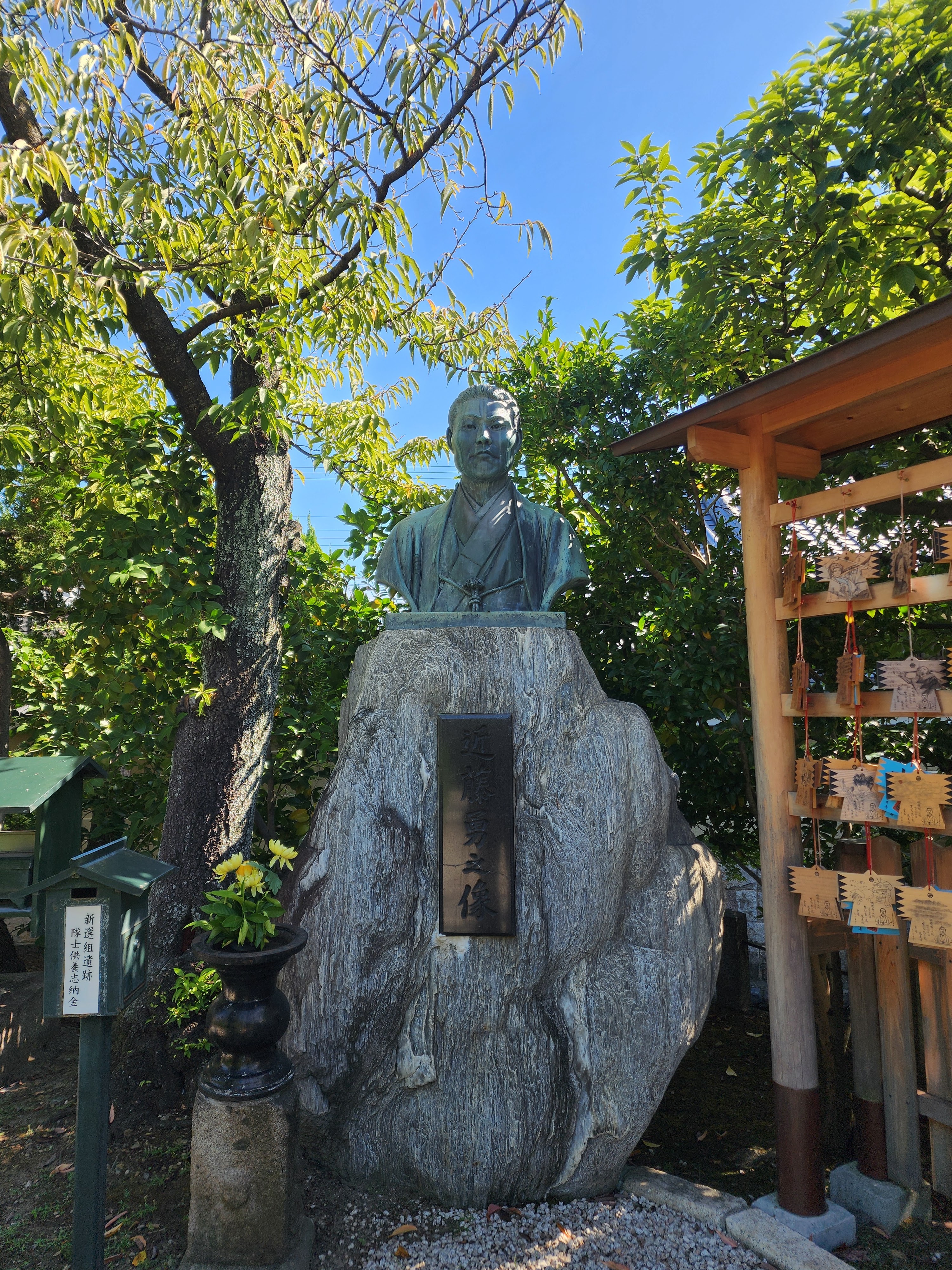
I was immersed in the story of men who lived short and intense lives. They dedicated their youth to a lost cause. Okita Souji famed for his skill, died young from tuberculosis and still his power fading as the old era crumbled. Kondo Isami was captured and executed. I don’t dare to say if their deaths were tragic but at least their story is one of spectacular failure and tragic promise—a powerful dose of melancholy.
Sabi stands out to remind me that their story prevails and the passing of time gives their legacy weight. It’s the sadness of youth and potential that was cut short.
Day 2: Contemplation and cosmology
Day 2 was a study in different shades of time and spirit, linking the contemplative pace of a stroll with the ancient protection of a shrine. I went to 7 shrines but let me talk about the 2 places that I was impressed most.
The Philosopher’s path or Testugaku no Michi

This path was named after Nishida Kitaro, who walked it for daily meditation. The Philosopher’s Path is inherently a space of sabi. The serene canal, the mossy stones, and the gentle bend of the sakura and momiji trees embody the quiet acceptance of nature’s flow.
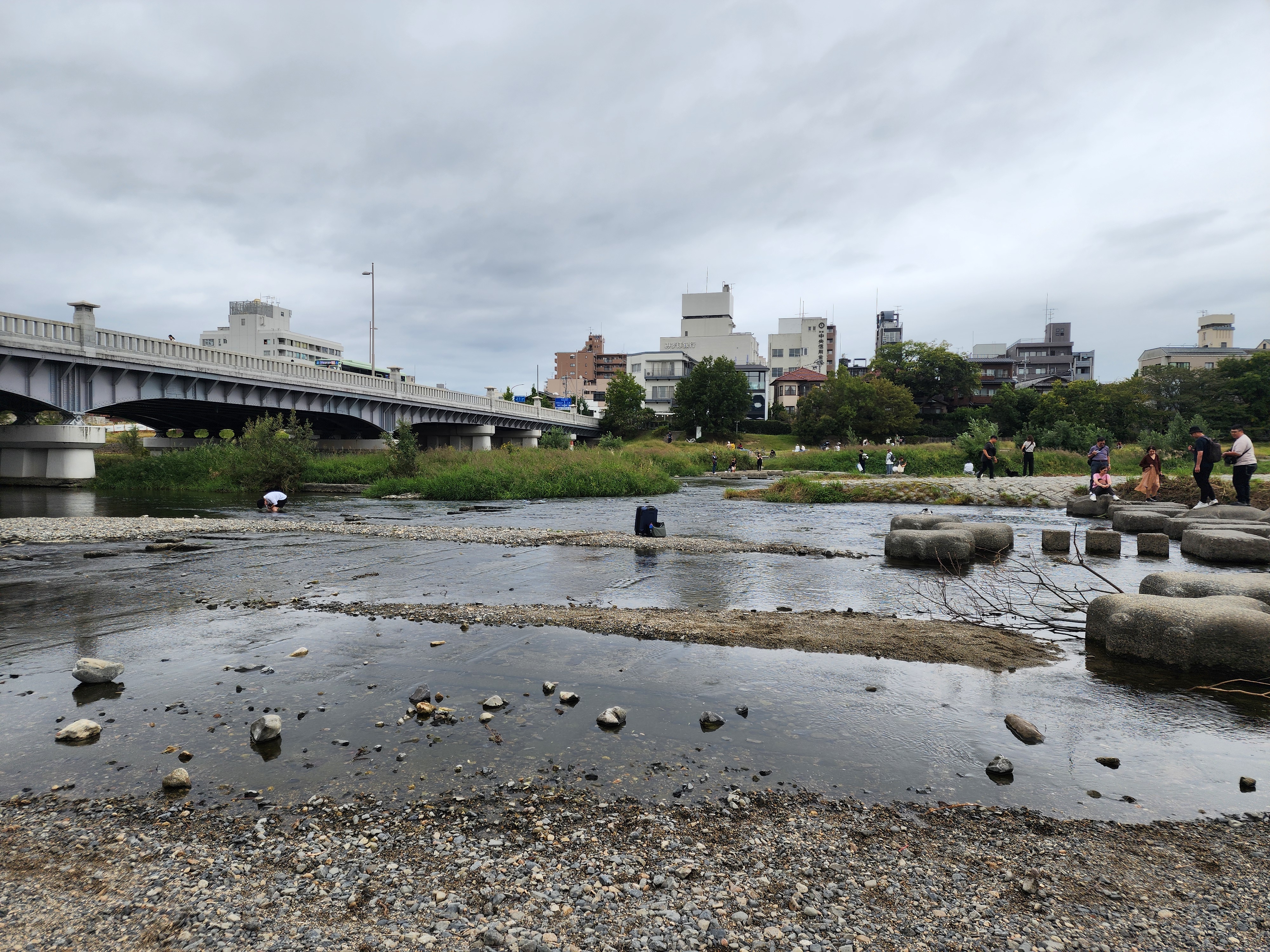
The path reminds you that time keeps moving on whether you are contemplating life’s deepest questions or simply strolling. If I had visited during cherry blossom season, the dazzling beauty would have carried the acute sadness of its briefness (mono no aware). But now, the trees were still green and the sadness still lingered. The quietude itself felt like the gentle erosion of a busy world. I barely had a moment for myself here because of many tourists so I spent time a lone at the Kamo Delta near by.
But the path offers philosophical relief. It encourages you to slow down, to dare to step out of the frantic pace of modern life and to find value in the act of pure contemplation.
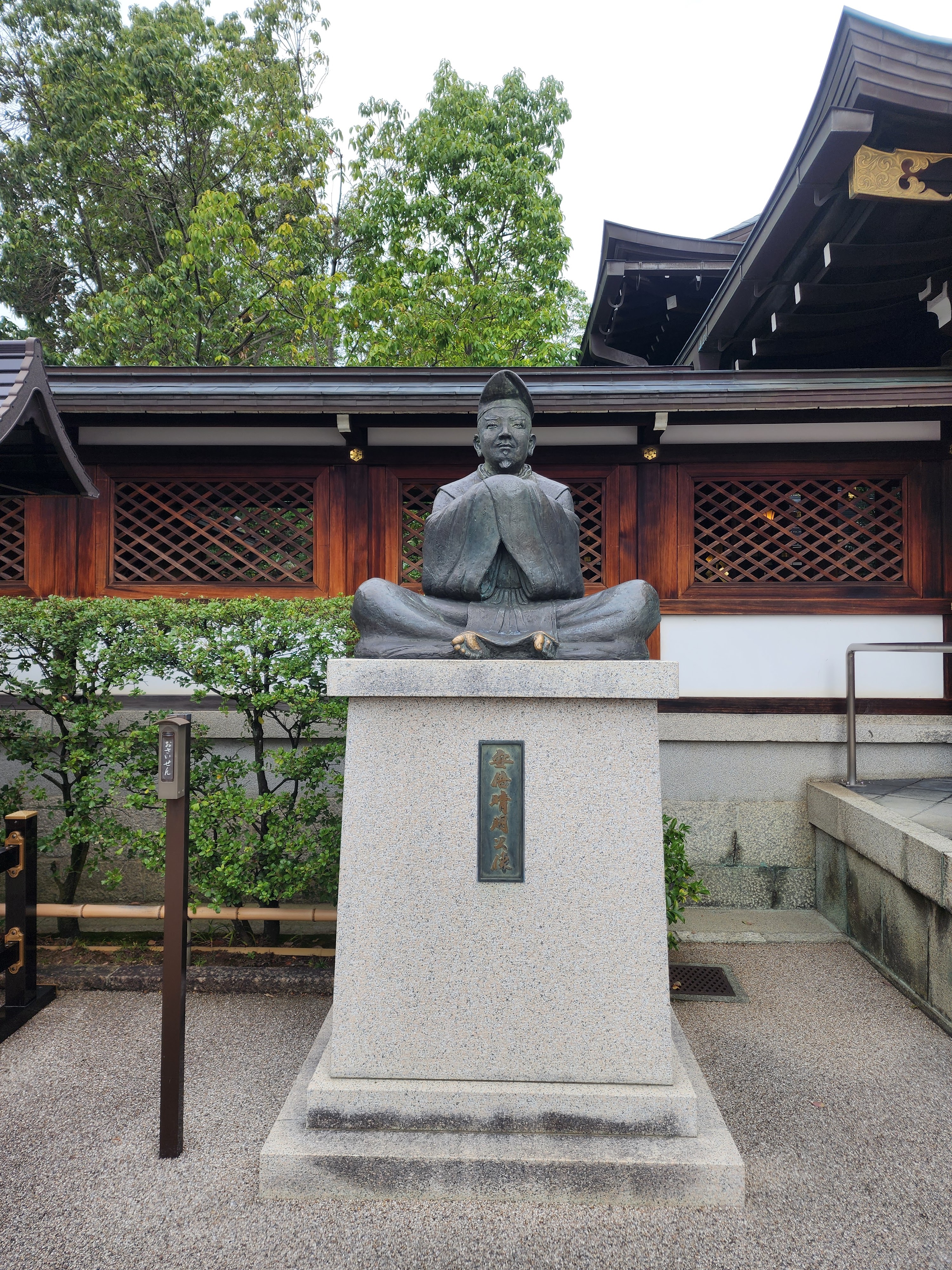
Seimei Jinja
Later that day, I visited Seimei Jinja, dedicated to the legendary onmyoji Abe no Seimei. The shrine’s atmosphere dominated by the pentagram and the stories of spiritual protection, deals directly with the struggle against time and misfortune.
Seimei Jinja embodies cosmic relief. The power of the pentagram symbolizes the five elements in perfevt balance, offering the promise of order and stability amidst chaos. It’s the comforting thought that there is a system to ward off evil and protect against the inevitable misfortunes of life.
The very need for a diviner like Seimei acknowledges the constant presence of misfortune and malevolent forces—the inevitable darkness against which we seek protection.
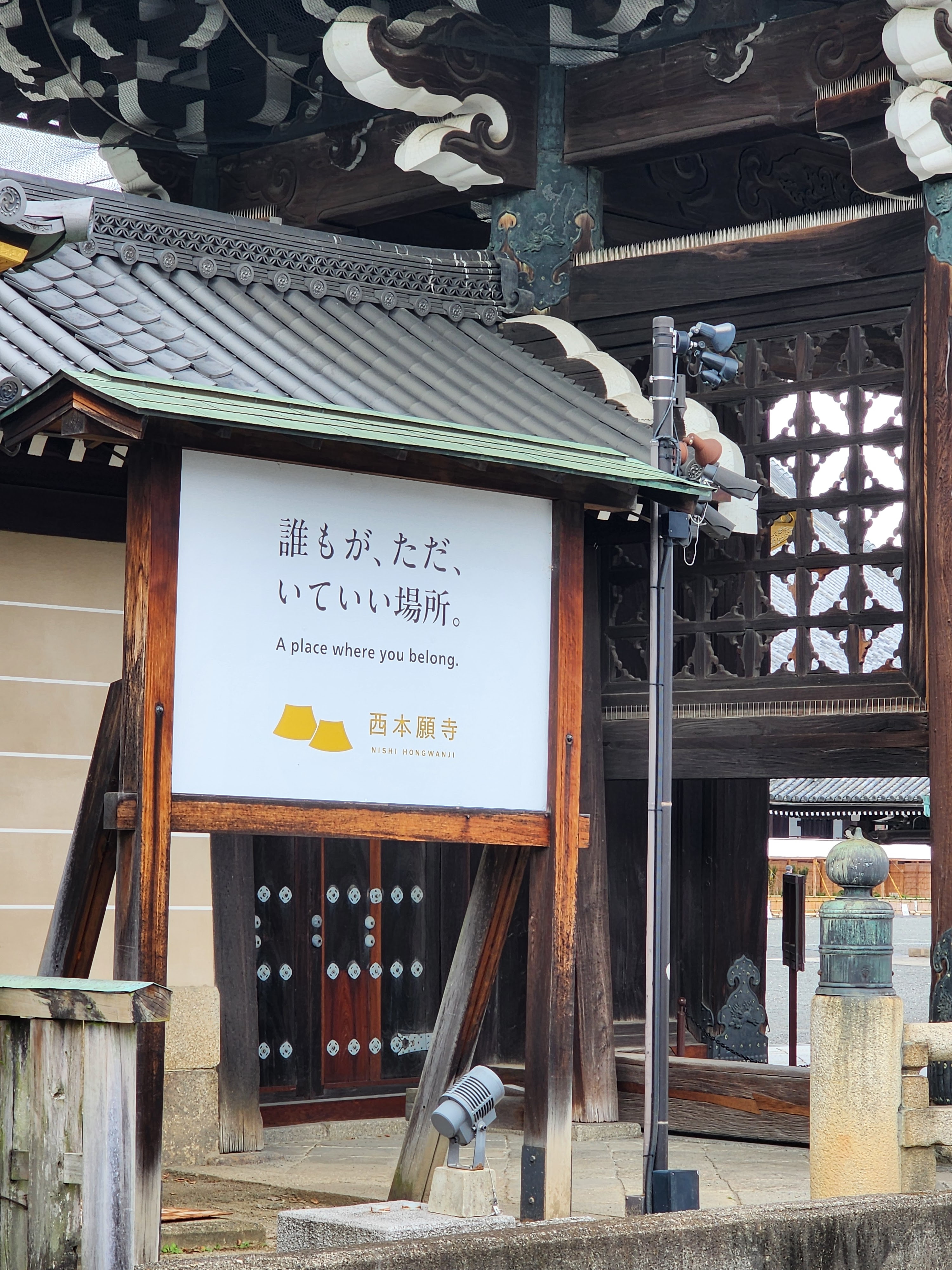
Day 3: Nishi Honganji—The Final Acceptance
Gotta say this is the spotlight of my whole trip. Nishi Honganji gave me time and place to truly embrace myself to review and to reflect. As a spiritual practitioner, I always have to urge to balance my dualily.
Buddhist chanting, particularly in the Pure Land school often focuses on impermanence and the journey toward the Nirvana. The deep, rhythmic tones carry the weight of countless lives lived and surrendered—the collective sadness of human existence.
This is where the profound relief of sabi truly manifests. In Jodo Shinshu, the recitation of the Namu Amida Butsu mantra is an act of total reliance on Amida Buddha’s saving grace. The chanting is a surrender, an acceptance that human striving is ultimately flawed, but peace is still possible through faith. The rhythm itself is the sound of release—letting go of the need for perfection and finding peace in the surrender.

Sabi is the art of feeling the loss without resisting the process. My journey has been moving from the tragic past to the contemplative present, ended in the peaceful realization: the deepest sadness melts away when one accepts that everything has its time, and in that gentle acceptance, there is a true profound relief.
 Letters from Hio
Leave a comment